Latest Posts
Wagashi (Japanese Sweets) 和菓子
In today’s Japan, where many different food cultures come and go, wagashi is not in the spotlight as much as it used to be, but it still has a different appeal than western confectionaries that have been introduced from overseas.
Origin of Japanese sweets
There are some major events in the history of Wagashi. First, tea was introduced to Japan from China in the early 12th century, and wagashi became a part of tea ceremony over time.
In the 16th century, the Portuguese sugary sweets inspired the production of wagashi made with added sugar. During the Edo period, wagashi became more widely available to the public due to the increase of sugar imports. Until the Portuguese arrived in Japan, wagashi were naturally sweetened without sugar.
Difference from Yogashi (Western Sweets)
Unlike yogashi animal-based ingredients like dairy and eggs are not used to make wagashi. As a result, wagashi tends to be less fatty. On the other hand, wagashi often contains a lot of sugar. Also, wagashi is made by a variety of cooking methods beyond baking, such as steaming, kneading and molding.
Reflection of seasons
Wagashi is highly seasonal. Although many types of wagashi are available throughout the year, you can find unique wagashi items for each season. For example, pink colored wagashi is common in spring to represent the cherry blossom season. Wagashi with the shape and colors of autumn leaves are another popular item.
Varieties of Wagashi
- Dango (Rice Dumplings) 団子
Dango are small boiled dumplings made of rice flour. They are often served on bamboo skewers.
– Mitarashi dango (Dango coated with soy sauce and sugar sauce)
– Yomogi dango (Dango mixed with aromatic herb yomogi)
– An dango (Dango coated with sweet red bean paste)
– Kinako dango (Dango coated with sweet and dusty soy flour)
– Oshiruko (Dango in sweet red bean soup)
– Kurogoma dango (Dango coated with black sesame paste)
– Tsukimi dango *Dango eaten on the night of full moon in autumn to celebrate the harvest.
- Manju (Sweet Bun with Adzuki Bean Paste) 饅頭
Manju is type of wagashi typically stuffed with anko (sweet red bean paste), and also made with flour and steamed or baked.
– Saka manju *Yeast and koji mold are added to the dough.
– Ningyo yaki *Ningyo means doll.
– Kuri manju *Kuri means chestnut and it is filled with shiroan (sweet white kidney beans paste).
– Taiyaki *Sea bream shape manju
– Dorayaki *Anko sandwiched between small pancakes.
– Monaka *Anko packed inside a thin wafer.
OBON (Bon Festival)
O-bon is an important Buddhist festival to pray for the souls of the dead and conduct services in their memory. During the o-bon holidays, the souls of the ancestors are thought to return to this world from the world beyond. Lanterns are lit at each house to guide the departed souls back home.
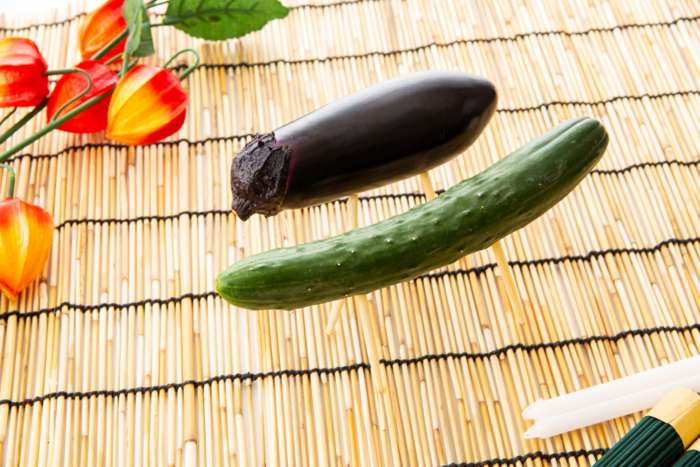
During this season, Japanese people had always given thanks for a plentiful harvest. Over times those traditions were gradually combined with Buddhist rituals to become the Bon Festival celebrated today.
On August 14 and 15, people return to their native towns and gather with other family members to honor the souls of their ancestors. They ask Buddhist priest to come to their homes and read special sutras.
Families gather at the graves of their ancestors and clean all around before placing offerings on a special shelf and welcoming the souls back home.
Read More
Kiriboshi Daikon (Dried Daikon Radish) 切り干し大根
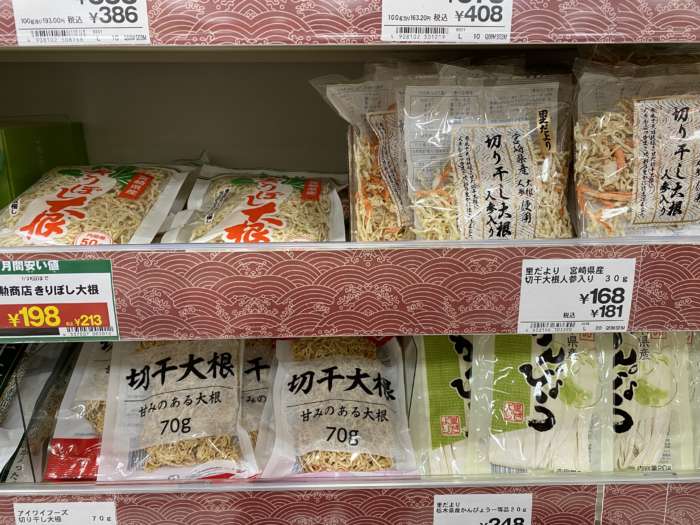
Dried daikon radish stripes are rich in Calcium, Vitamin C, D and Iron. It is sun-dried to increase its natural sweetness and flavor and suitable for Macrobiotic, Vegan, Raw, Kosher, Gluten-Free dishes. In spring and summer, simply soak to enjoy raw in salads. And in fall and winter, add dried daikon to sauteed vegetables or soups for good flavor and nutrition. Also rich in dietary fiber long-term intake of Dried Radish is good for digestion.
Recipes to use:
– Simmered Daikon Radish (Kiriboshi Daikon No Nimono)
– Salad with Mizuna, daikon radish and fried tofu
Shop:
– Japanese Cooking Pantry
Tanabata (Star Festival)
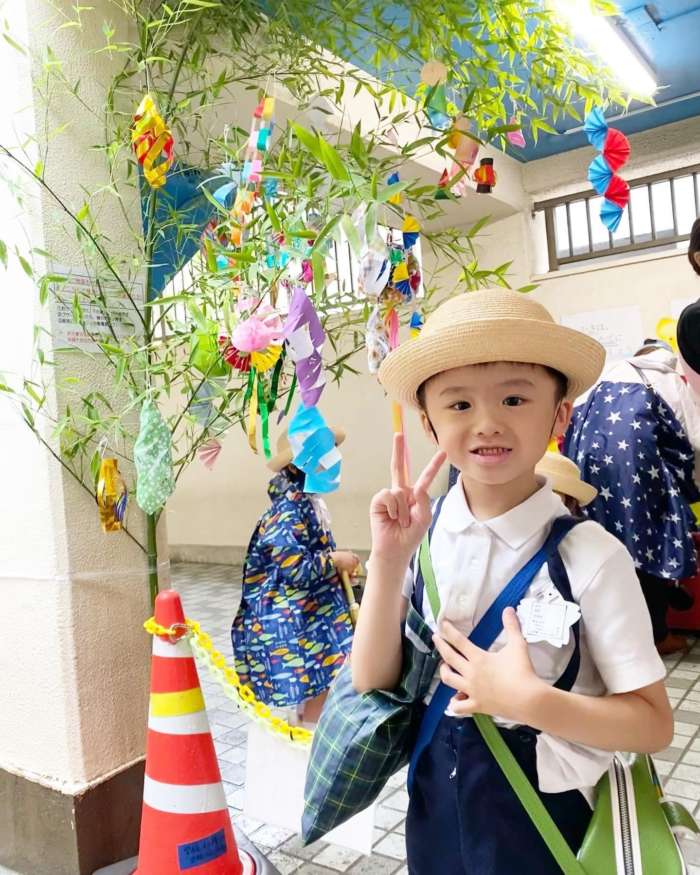
Legend has it that Vega and Altair, who are separated by the Milky Way, are allowed to meet only once a year on the night of Tanabata or July 7th.
It is said that if you write your wish on a tanzaku (a strip of paper) and hang it on a bamboo grass, your wish will be granted.
A few years ago, my son Kengo wrote that he wanted to be like me. And this year, it seems that he wishes to be a firefighter!
From ancient times, it has been customary to eat somen noodles in the Milky Way in Tanabata. Today, somen is served for lunch at my son’s kindergarten. My son loves somen noodles, so he also had somen noodles for dinner at home.
YUCa’s Diary : Week 26, 2021
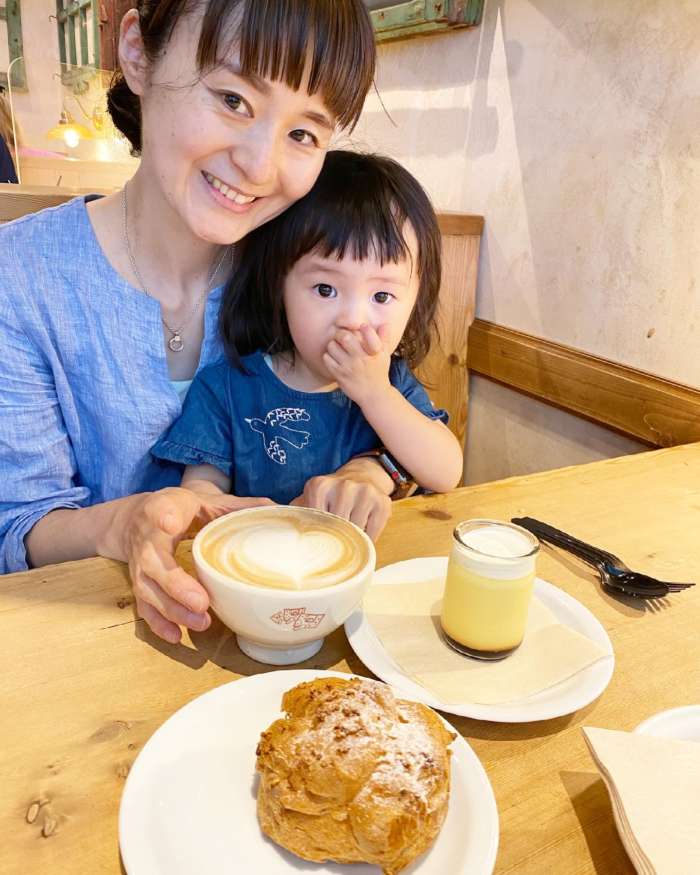
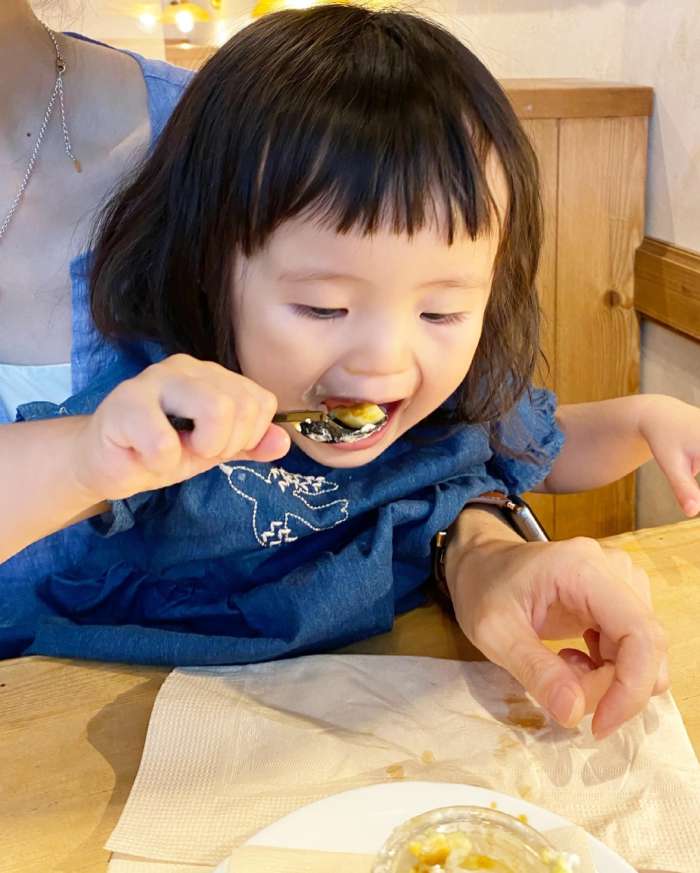
Happy weekend! My family and I went to the Roppongi area. I like the Roppongi area because there are imported food supermarkets that I love and there are some parks that children can enjoy. For lunch, we ate Hitsumabushi and went to a cafe. My daughter goes back and forth between me and my husband. And eat well, eat well. She ate her favorite egg pudding and was in a good mood from beginning to end. Recently, she has been able to eat with her own spoon and fork, which has made me easier.
Read More
YUCa’s Diary : Week 25, 2021
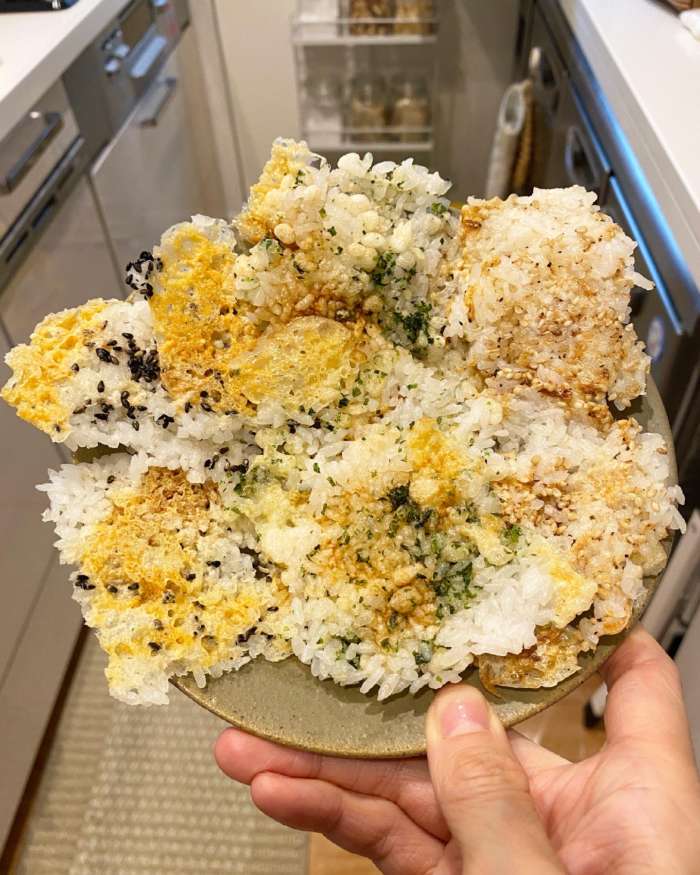
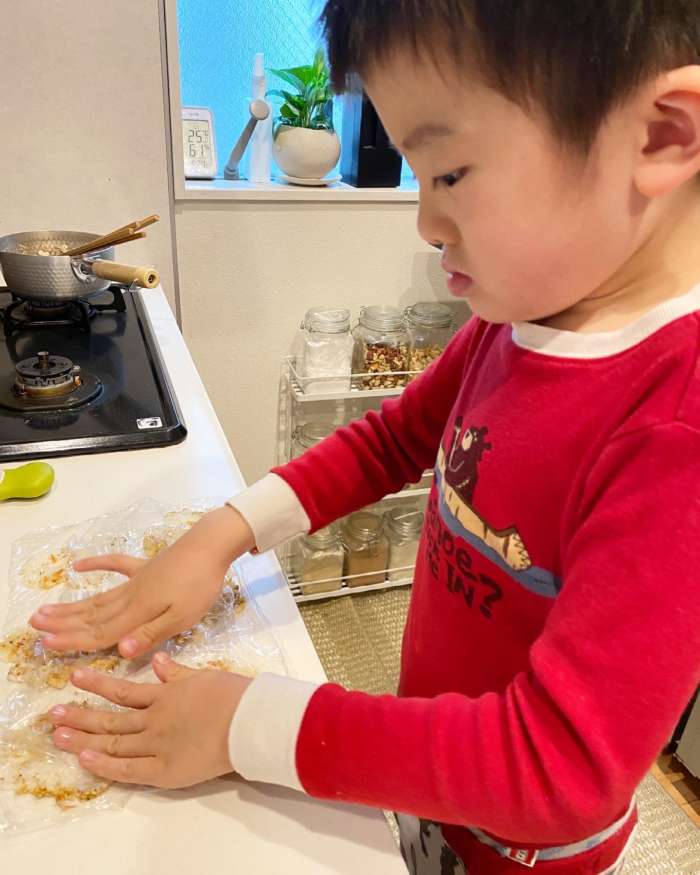
Home-style rice crackers.Kengo and I made home-style (easy!) rice crackers by combining the trial production of new recipes and activities with children.
First, we combined steamed Japanese rice and ingredients found in the kitchen, and put in a microwave for several minutes. And it’s done! Too easy?!
3 Kinds:
– Tenkasu (tempura batter) and aonori seaweed + soy sauce
– Black sesame seeds and cheese + salt
– White sesame seeds, cheese and dried shrimp + sesame oil and soy sauce
 Read More
YUCa’s Diary : Week 24, 2021
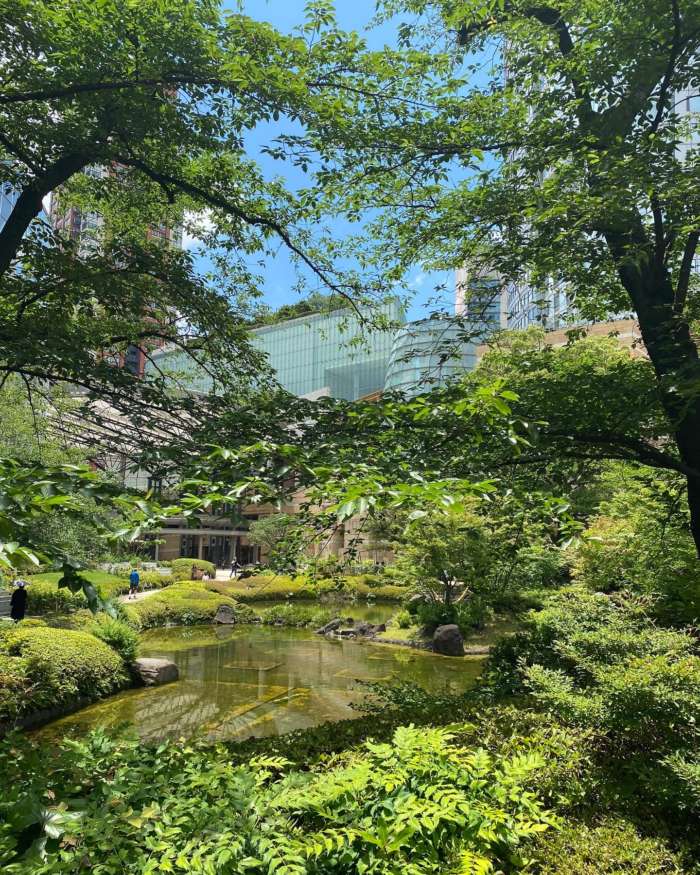
Happy Weekend! My family and I visited Roppongi Hills and had lunch at our new favorite spot. We sit at the terrace seat and enjoyed the food and the sunshine. We had this beautifully sunny day today here in Tokyo. it’s still rainy season and rainy days will be back next week. Have a wonderful weekend & new week, everyone!!!
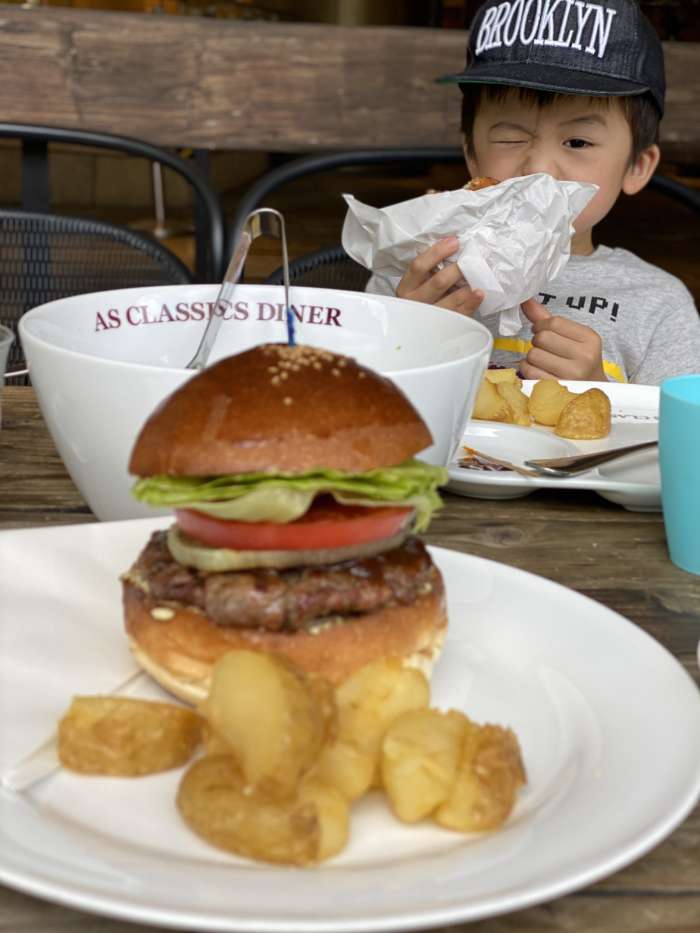
Big size hamburger for Lunch. Kengo ate his own cheese burger!
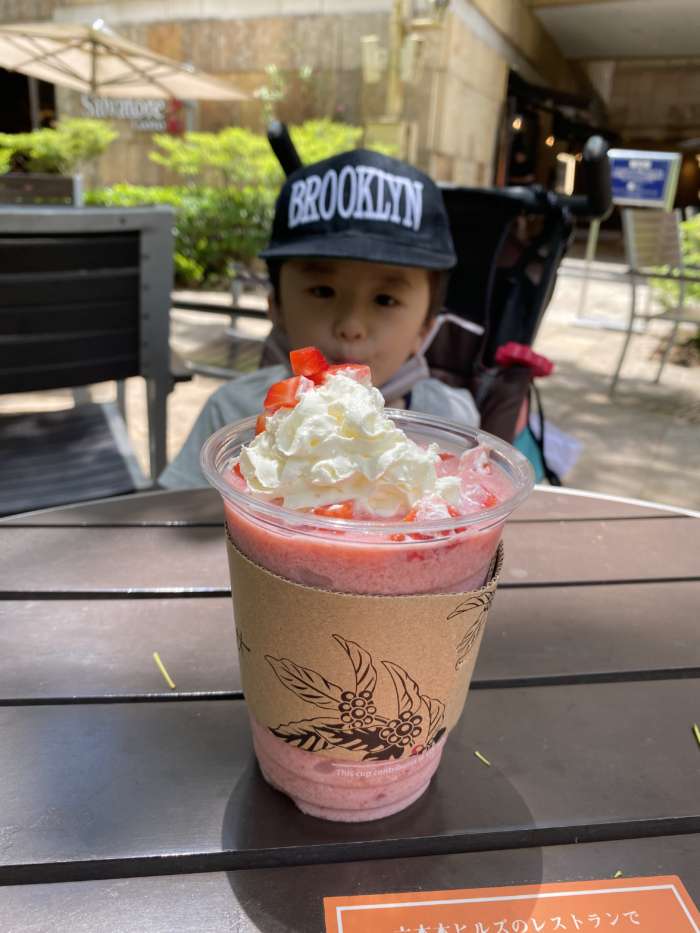
Then, we had the strawberry sherbet ice cream for dessert! Why not?
YUCa’s Diary : Week 23, 2021
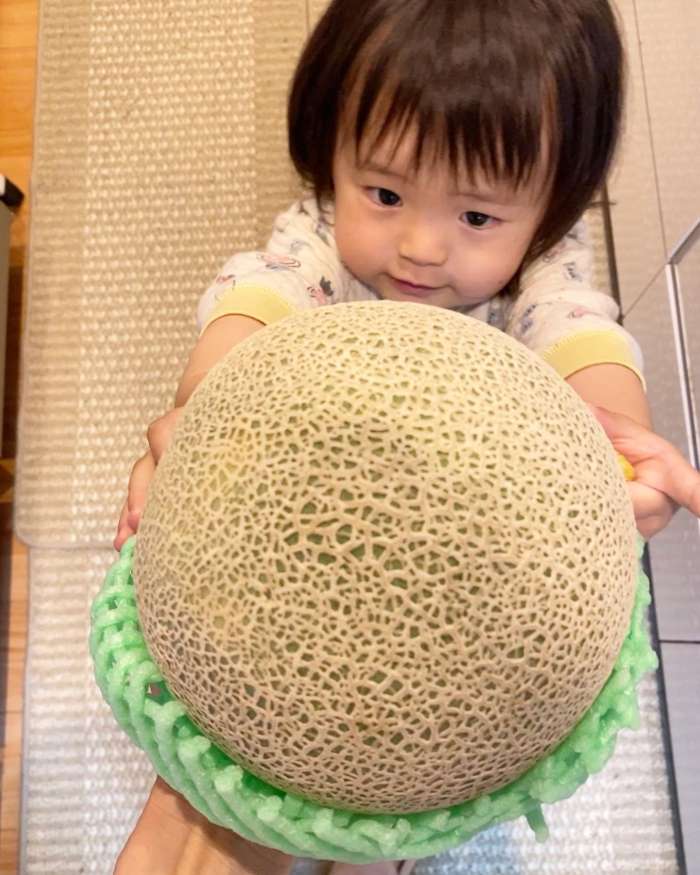
After strawberry, it’s Melon time! Recently, my mother sent us this beautiful Japanese melon. Everyone (except me!) in my family seems to be not good at melons, so I have to create recipes so that they can be eaten deliciously.
いちごの後は、メロンの時間です!実家から母がメロンを送ってくれました。我が家では私以外、メロンが苦手のようなので、美味しく食べられるようにレシピを考えなきゃ。それが私の仕事です。
Read More
Miso (味噌)
Miso (味噌) is a fermented paste, which is made from soybeans and sea salt combined with koji (麹, a type of mold starter). The koji in miso can be made from any grains like brown or white rice, barley or soy beans. 80% of miso sold is kome-koji(米麹, rice koji) based.
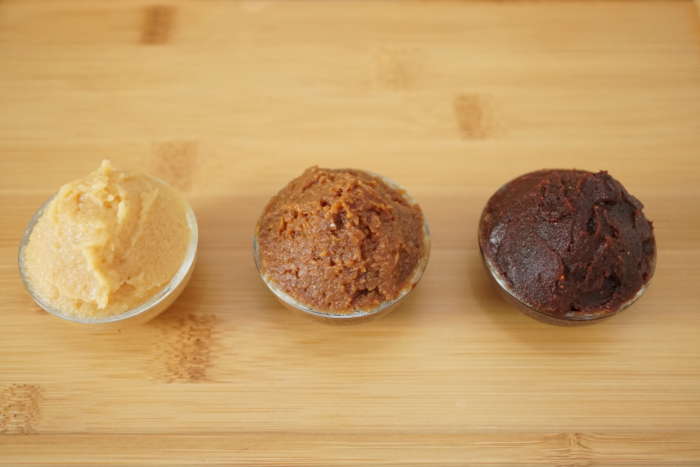
Miso is one of the key ingredients in Japanese cuisine. Personally, I like miso because miso is a versatile seasoning and also a fermented food. I make my own miso every year at home. Once it sets, the fermentation starts and can take from 3 months to 3 years! I usually wait for 8 months. The longer the fermentation process, the darker and the more intense the flavor of miso becomes.
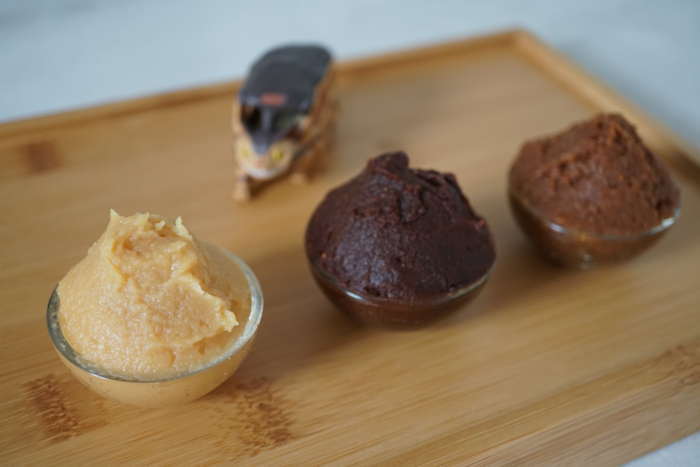
There are mainly 9 types of Miso in Japan. To make it easy and simple, I introduce three colors and three base ingredients of Miso.
Miso by Three Colors
1. White Miso (Shiro Miso 白味噌)
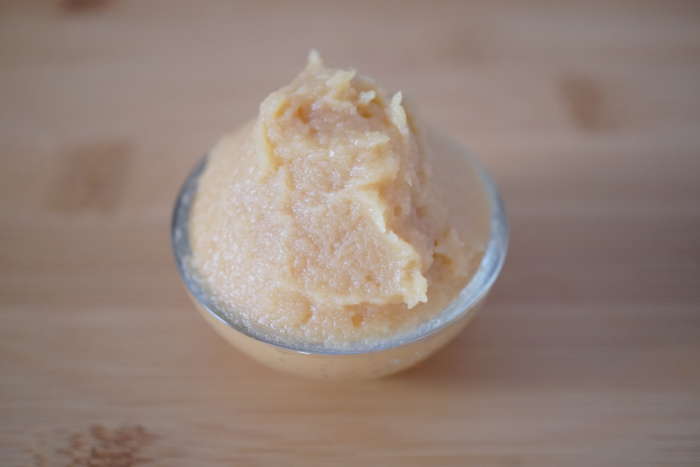
Shiro Miso is light yellow, smooth paste made from soybeans and rice koji. It generally tastes mild and light in flavor and contains the most carbohydrates of all miso and therefore it tastes the sweetest.
Sample ratio:
40% – soybean
60% – rice or barley
2. Yellow/Brown Miso (Awase Miso 合わせ味噌)
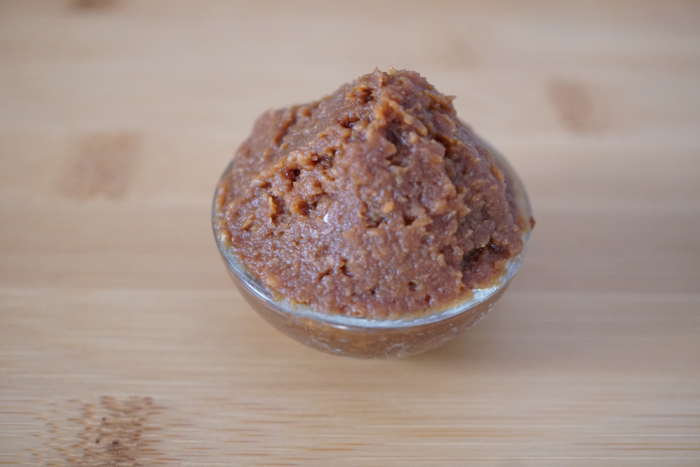
It is a combination of Red Miso and White Miso. This is the traditional miso to make miso soup everyday at home.
3. Dark Brown/Red Miso (Aka Miso 赤味噌)
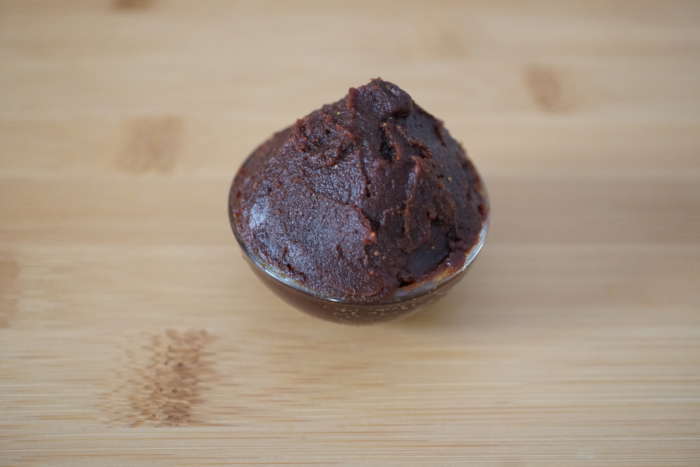
The longer fermentation period (around 1 to 3 years) of White Miso produces Red Miso. It gets darker color and deep aromatic flavor and salty miso. Red Miso contains the highest levels of protein of all types of miso.
Sample ratio:
70% – soybean
30% – rice or barley
Miso by Three Base Ingredients
1. Rice Miso (Kome Miso 米味噌) : Miso made from soybeans, salt, and rice koji (米麹)
2. Barley Miso (Mugi Miso 麦味噌) : Miso made from soybeans, salt, and barley koji (麦麹). It has a very dark color and quite salty but very rich taste. In addition, it has grainy and malty in taste. Fermentation period is one to three years. Barley miso is the most common in Kyushu region, southern parts of Japan.
3. Soybean Miso (Mame Miso 豆味噌): Miso made from soybeans, salt, and the koji produced from soybeans (豆麹).
Special Miso by Region:
Sendai Miso (仙台みそ) – Miso from the Sendai area. Often called red miso.
Haccho Miso (八丁みそ) – Miso from Aichi prefecture. It has a distinctive soybean flavor but surprisingly less salty. Dark brown color and its fermentation period is at least 3 years.
Shinshu Miso (信州みそ) – Miso from Nagano prefecture. Rice-based miso.
Saikyo Miso (西京みそ) – Miso from Kyoto. Rice-based miso and typically on the sweeter side.
Kinzanji Miso (金山寺みそ) – Miso from Kyoto. It contains fermented grains and vegetables. Often slightly sweet and used as a condiment for vegetables.
Substitution:
There is no appropriate substitute for miso. However, vegimite or marmite would be the similar.
Storage:
Miso should be kept in the fridge to stop the fermentation process and preserve its freshness.
Miso doesn’t freeze so you can also store it in the freezer and use whenever you need right away.
You can keep the miso up to one year once after open the package.
Miso Recipes:
– Miso soup with tofu and wakame
– Veggie Miso Soup
– Grilled Salmon with Walnut and Miso
– Miso dengaku with konnyaku
– Tonjiru
– Nasu Dengaku
– Mackerel simmered in miso
– Daikon Dengaku Miso
and more…!
Memo :
1. Are you looking for Japanese kitchenwares and cooking tools etc? Visit YJC store on Amazon!
2. Would you like to cook many more recipes? Download Free recipe app from here! “Recipe by YJC”
Yoshoku (Japanese-style Western Food) 洋食
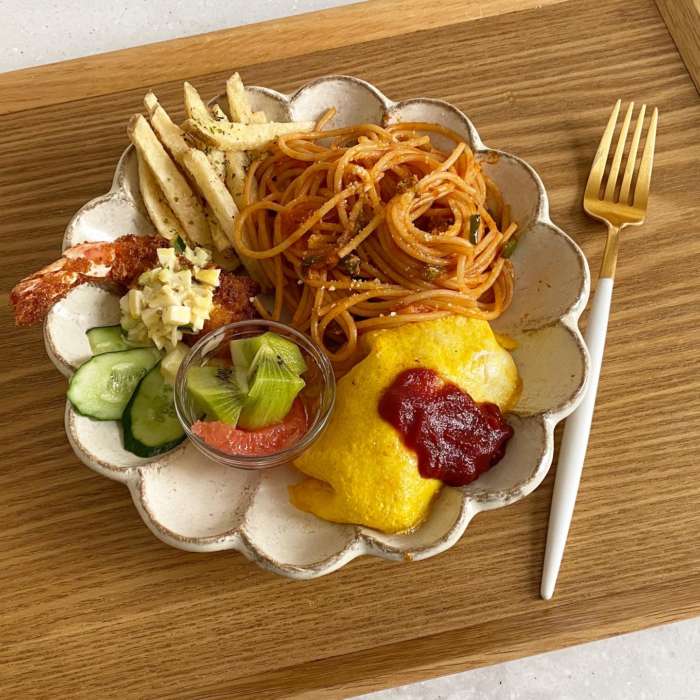
Yoshoku (洋食) is western food adapted to the Japanese palate. This style of cuisine started in the Meiji restoration period, 1868-1012, when, after centuries of isolation, Japanese citizens began traveling to other countries and learning about the cuisine outside of Japan. So, Yoshoku also means uniquely developed Japanese-style western dishes.
The classic Yoshoku dishes includes curry rice, ebi fry (fried shrimp), and Korokke (croquette made with potatoes and meat). Some of these influences are reflected in the popularity in Japan, of sauces such as ketchup or Worcestershire, as well as bread.
Yoshoku has a special appeal of nostalgia to the Japanese. It is an icon of the Showa period, and the never-changing taste of the classic dishes bring back people’s memories. A great place to feel the nostalgia is authentic Koshoku restaurants called “Yoshoku ya” (洋食屋) or “Yoshoku ten” (洋食店).
You can αlso eat Yoshoku dishes in other places, too. Family restaurants called “Famiresu” are casual and inexpensive chain restaurants. Okosama lunch is a popular item at famiresu. It is a plate of selected Koshoku dishes specially made for children. Some of the Japanese-style cafes called “Kissaten” (喫茶店) serve yoshoku dishes too.
Most Yoshoku dishes will be eaten with silverware instead of chopsticks, rice at Yoshoku restaurant is served on a plate instead of in a rice bowl.
Popular Yoshoku menu items:
Ebi Furai(エビフライ)Breaded and deep-fried shrimp [Recipe]
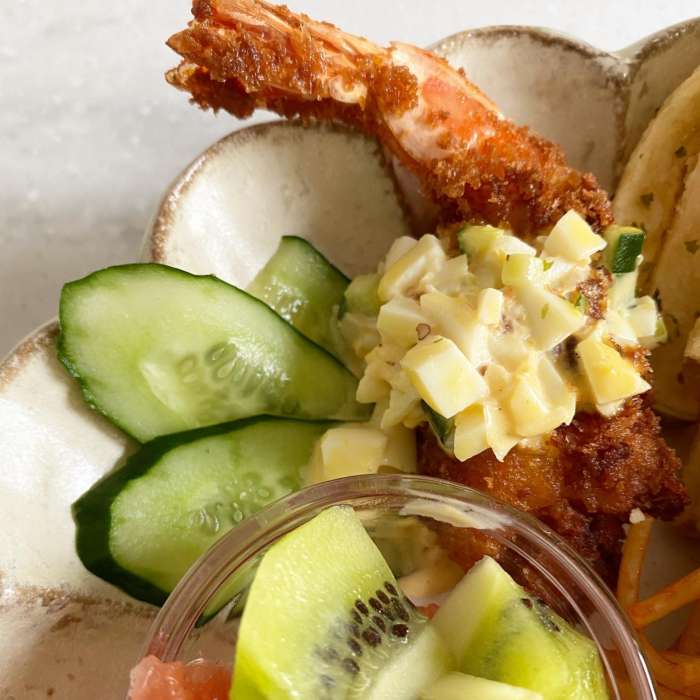
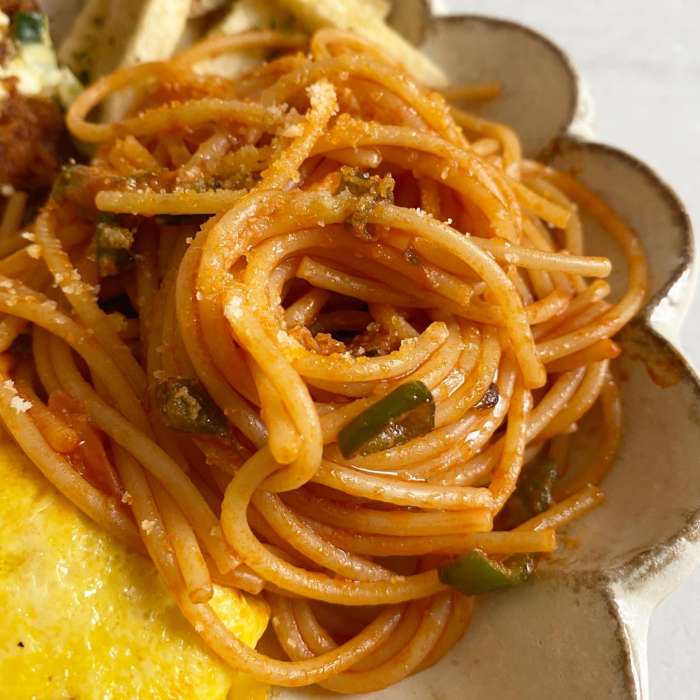
Napolitan (ナポリタン ) Spaghetti with ketchup based sauce [Recipe]
Napolitan is a classic Yoshoku dish made with spaghetti and a ketchup-based sauce. The sauce is typically is made with ketchup, onion, green pepper and mushrooms. Julienned ham, bacon or sausage is also added to the sauce.
It is normally served with grated parmesan cheese. The texture of the noodles is originally soft, but you can find firmer “al dente” nowadays.
It is said that this dish was invented after World War II by a chef in Yokohama who saw American soldiers eating spaghetti seasoned with ketchup instead of tomato sauce. Later, he improved the taste by using fresh tomatoes, and this legendary dish was born.
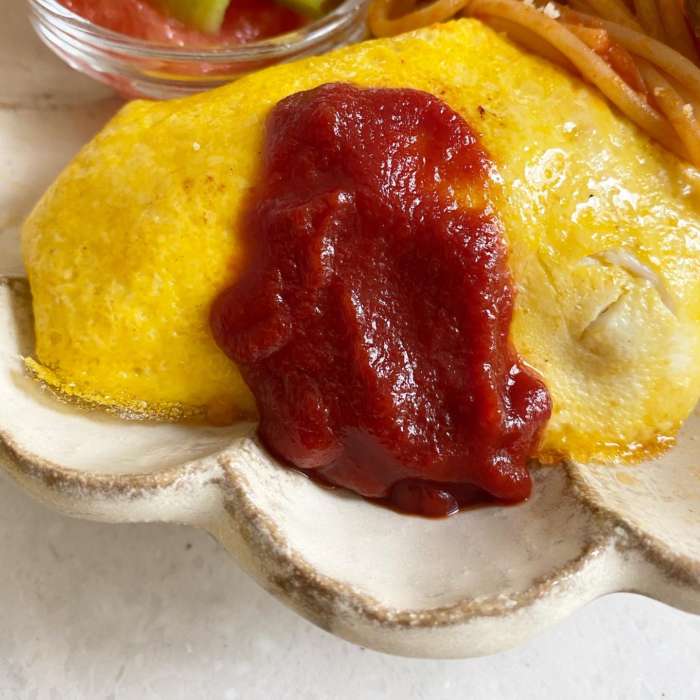
Omu rice(オムライス) An omelet willed with ketchup-flavored rice
Omu rice means “omelet and rice”. Flavored rice is wrapped in a thin sheet of omelet. It is shaped into an oval. Making a thin yet solid sheet of eggs is challenging for cooks. The rice is flavored with ingredients, such as chicken stock, onion, ketchup and butter. The sweetness of ketchup and onion complement the flavor of chicken.
Omu rice is also topped with ketchup. Cutting into the just-plated omu rice, you will enjoy the aroma coming out of the warm flavored rice inside.
There are variations of omu rice. The topping can be demi-glace sauce or bechamel sauce instead of ketchup. Omu curry is omu rice plated together with Japanese curry. Omu soba is noodles wrapped in a sheet of omelet instead of rice.
Hambagu(ハンバーグ)A meatloaf-like burger served with demi-glace sauce, but without a bun [Recipe]
Hambagu is a steak of a round or oval-shaped patty made with ground beef, onions, eggs and breadcrumbs. The meat may be a blend of beef and pork.
The name hambagu is said to have come from the dish made in the German city of Hamburg in 18th century. The original dish was brought to the US by German immigrants and became Hamburg steak. The Japanese eventually adopted it to their diet.
There are variety of sauces for hambagu. A blend of ketchup, oyster sauce and Worcestershire sauce is common. Other popular sauces include soy sauce and grated daikon radish, demi-glace and teriyaki. Hambagu may be topped with mushrooms, cheese, or a sunny-side egg. It is often served with rice or spaghetti.
Other Yoshoku menu items:
Kare-raisu (カレーライス) Curry with rice [Recipe]
Korokke (コロッケ) Creamy croquettes, sometimes filled with seafood such as crab
Menchi Katsu(メンチカツ) Breaded and deep-fried hamburger to which chopped onions have been added
Omuretsu(オムレツ) Omelet
Guratan(グラタン)Gratin dishes often macaroni or seafood in cream sauce with cheese
Doria (ドリア) Rice casserole with a white sauce
Hayashi raise (ハヤシライス) Beef stew in a demi-glace sauce
Bi-fu shichu (ビーフシチュー) Beef stew
Bi-fu sute-ki(ビーフステーキ) Beef steak
Roru kyabettsu(ロールキャベツ)Cabbage rolls with tomato sauce
Memo :
1. Are you looking for Japanese cookbooks and kitchenwares etc? Visit YJC store on Amazon!
2. Would you like to cook many more recipes? Download Free recipe app from here! “Recipe by YJC”
* Reference of this article : Food Sake Tokyo (The Terroir Guides) , 外国人がいちばん食べたい和食90選