Latest Posts
Sakura Cherry Blossoms in Kochi
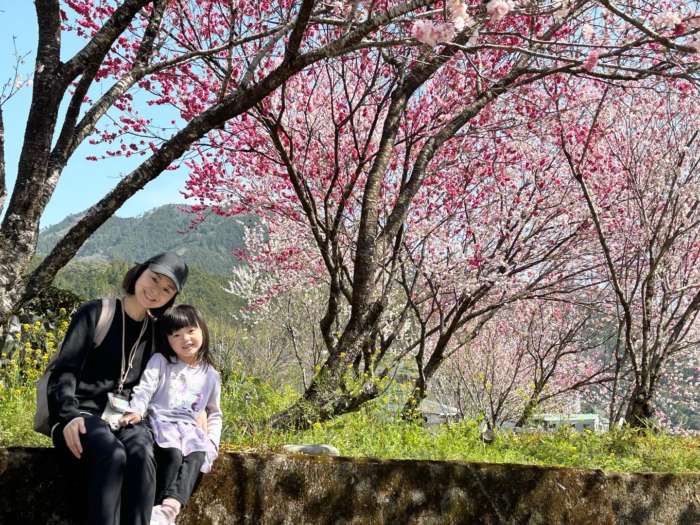
I recently visited Kochi Prefecture with my family. It was just in time for cherry blossom viewing, and we were able to see a 500-year-old cherry tree, which was a great memory. I have taken other photos, so please take a look.
Read More
YUCa’s Tea (Leaf ver.)
We are very happy that YUCa’s Tea, newly launched this year, has been well received by participants of the cooking class and other green tea lovers in Japan and abroad.
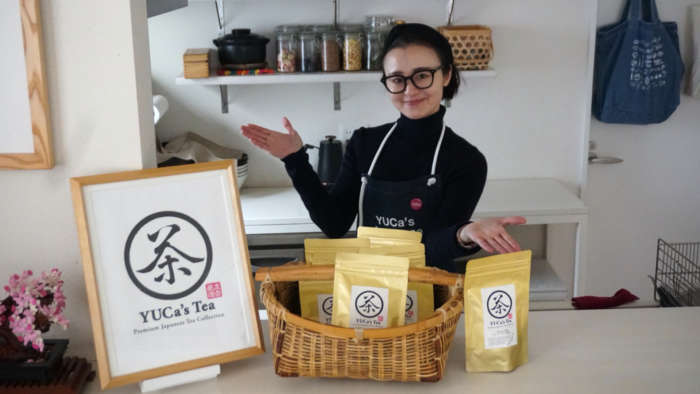
Chiran-cha, which is characterized by its deep roasted flavor, is a tea that I drink regularly, and I am very happy to be able to introduce it to everyone in the form of a commercial product.
The first product was a tea bag type so that people can enjoy green tea easily.
Now, we have decided to commercialize the leaf type as our second product.
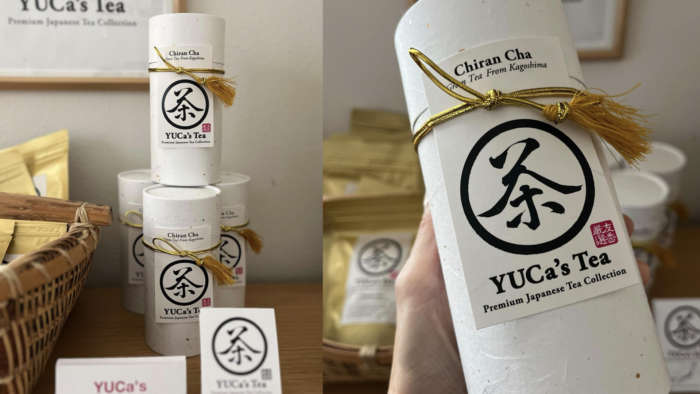
The tea comes in generous quantities, so if you have a teapot, we hope you will enjoy drinking this type of tea!
The characteristics of the tea leaves and the recommended way to drink them are explained in the attached leaflet.
For more information about the YUCa’s Tea, please click here!
https://yjc.tokyo/yucastea
If you are interested in purchasing this product, please reply to this newsletter or contact us from here!
https://yjc.tokyo/contact-us/
Kumade (熊手) & Tori-no-ichi (酉の市)
We bought a “Kumade(熊手)” at the Torinoichi (酉の市) market held in Asakusa! Torinoichi(酉の市) is an event held at temples and shrines associated with eagles and birds, such as Tori-no-temples, which are numerous in the Kanto region.
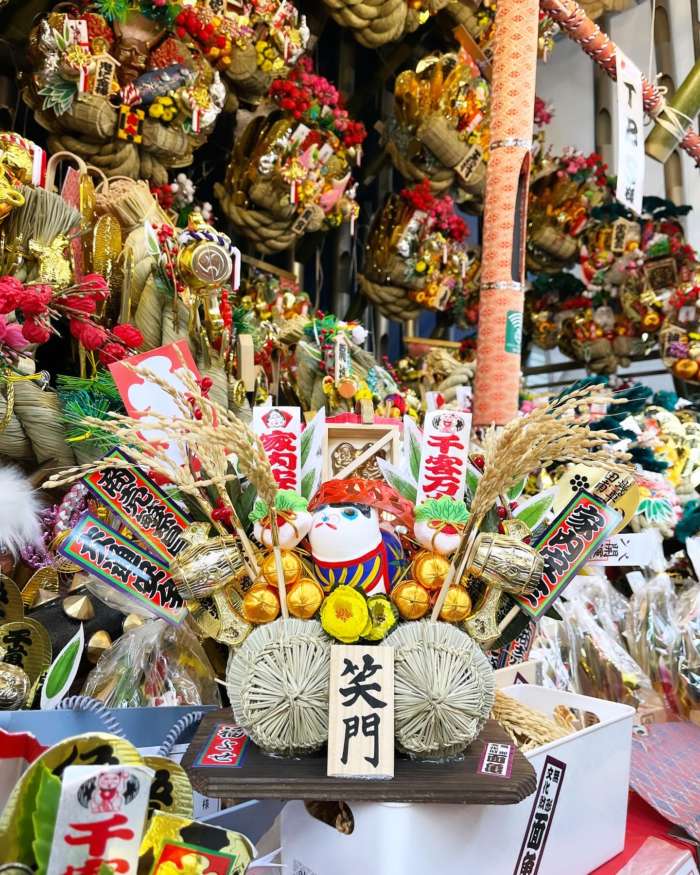
Held every year on the “day of the Tori”(酉の日) in November, visitors purchase lucky charms such as “Kumade”to report their good fortune for the year and wish for good fortune in the following.
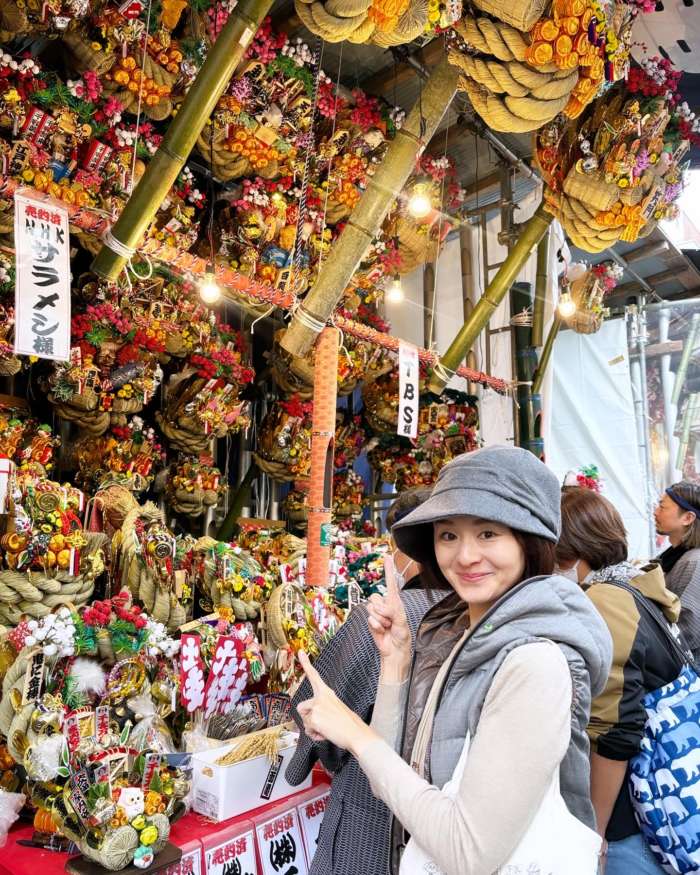
The Kumade, used as a tool for raking up fallen leaves and other debris, is said to be “a tool for raking up luck” or “a tool for raking up gold and silver” because of its shape and function, and has come to be treated as a lucky charm that brings luck, fortune, and prosperity to business.
Read More
“School Revolution” by NTV (Japan)
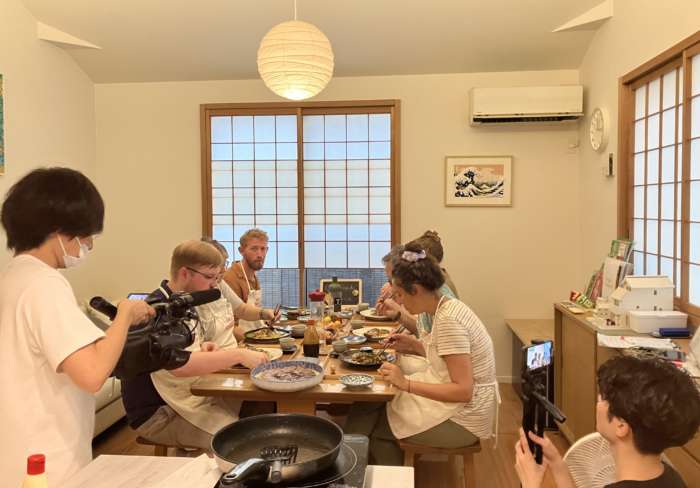
YJC was featured on Japanese TV program. 📺✨
It was a quiz show where the casts would guess what we were making in the class!
To watch this show, click here for special limited edition broadcasts.
Read More
Back to school in Japan
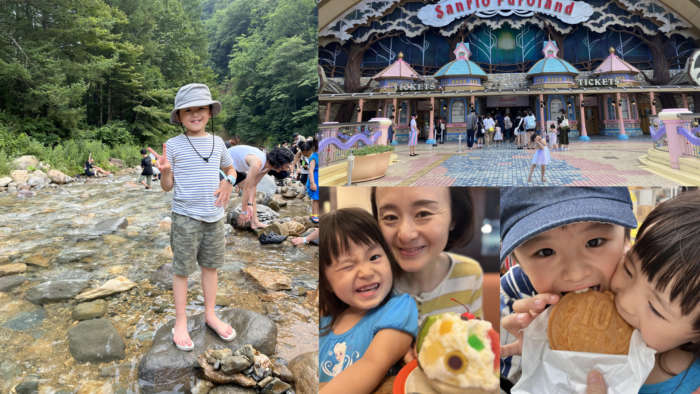
Summer vacation is over. Even our children, a kindergartener and an elementary school student, they seemed to have enjoyed their month-long free time.
My son, an elementary school student, had homework from school. He had to complete Japanese and math assignments on a tablet PC, a one-line diary (with a checklist to see if he helped his parents), a book report, a diary of his observations of mini-tomatoes, a free craft (in his case, making a LEGO creation), and 10 books to read.
There are also many other contests that are free to participate in, such as contests to draw posters on environmental issues, eco ideas, summer- and autumn-themed haiku, piggy bank designs, and so on.
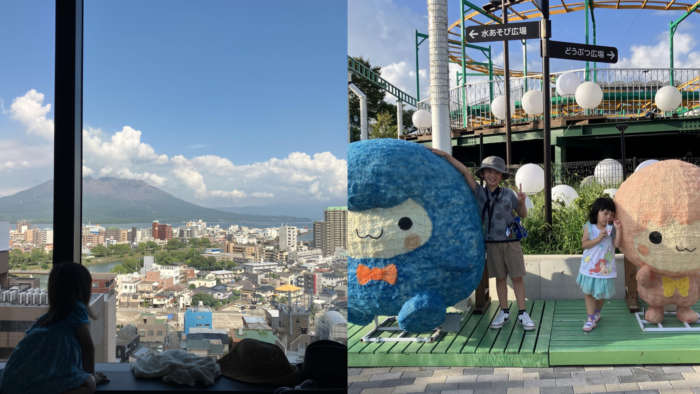
When I was in elementary school, a special booklet called “Summer Vacation Friends” was distributed. I think there was a little more homework, not only Japanese and arithmetic, but also science and social studies.
On the other hand, some schools did not give homework because it was “summer vacation,” which I felt reflected the times.
Do you have homework in your country? I would be very happy if you could tell me what kind of homework you have.
Hokusai’s “The Great Wave” by LEGO
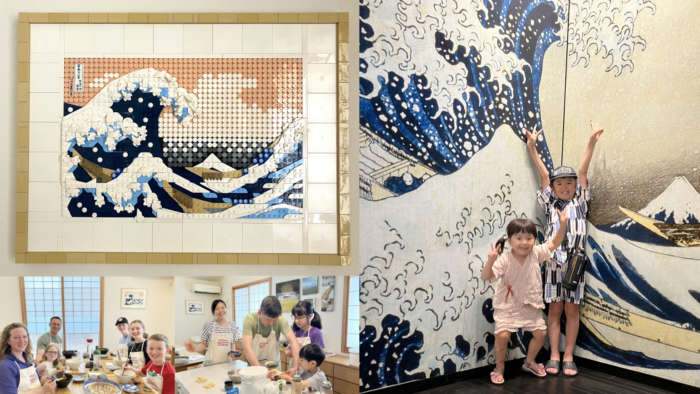
Do you know a Japanese famous artist, Katsushika Hokusai?
Even if you do not know his name, you may have seen this ”The Great Wave off the Coast of Kanagawa”, one of his masterpieces.
Since this LEGO product were recently released, we decided to display it inside the YJC classroom. Furthermore, we are happy to add a Japanese-style interior.
Read More
“Discover JAPAN in your Fridge” (ABC TV)
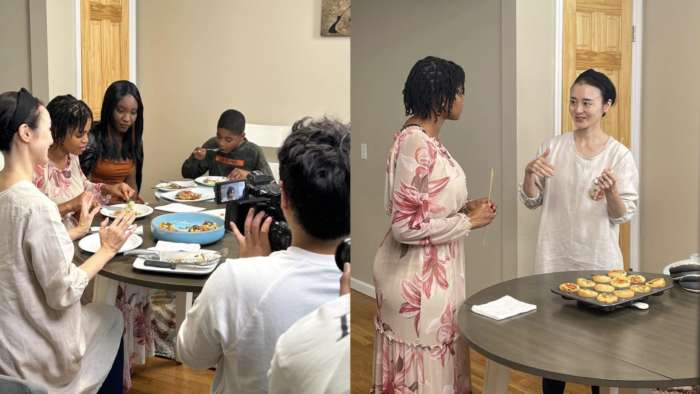
Some of you might knew from YJC’s IG story but I visited NYC and filmed for TV program in mid October.
And the filming in New York will be broadcasted in Japan soon!
If you live in the Kansai area, please watch the program and tell me how you liked it.
Date and time: November 4 (Fri.) 25:34~26:34
TV Channel: 6 (ABC TV)
Name of the show : “Discover JAPAN in your Fridge”
* This program will be aired in Japanese but I might be speaking English there.
I hope they have added subtitles during the show. 😉
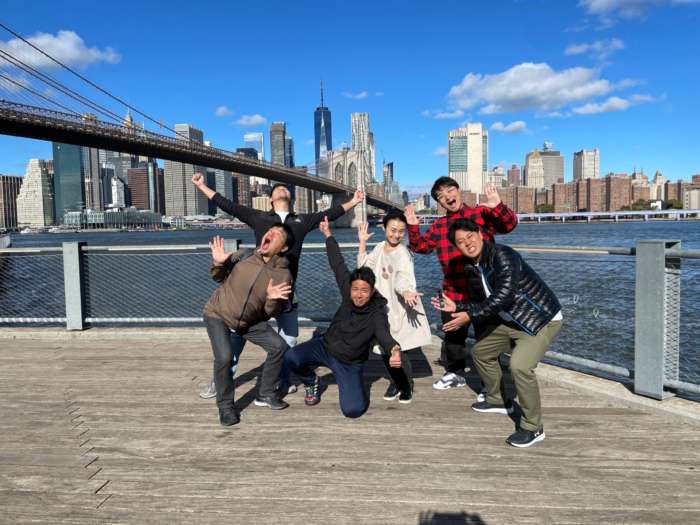
Special THANKS to talented chef Mr.Yoshi & Fun and amazing crews from ABC TV!
YJC’s New Entrance!
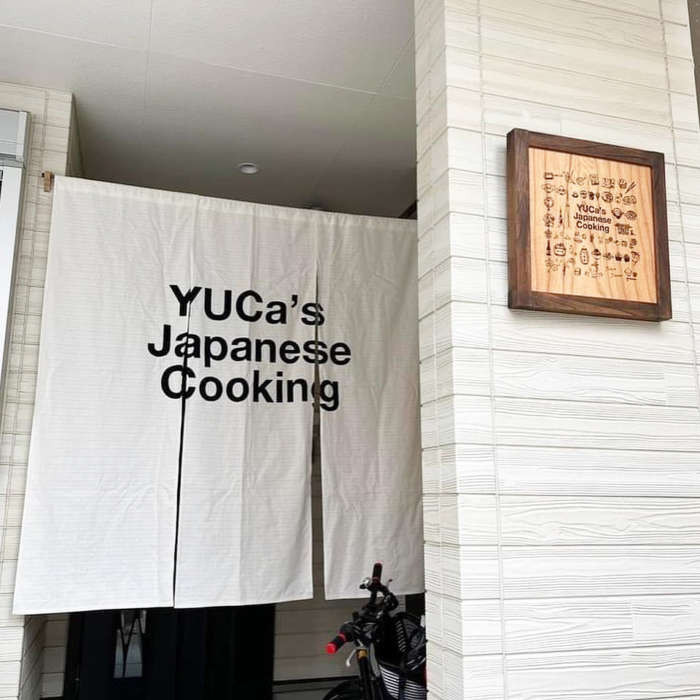
YJC’s shop curtain called “Noren” and signboard, under my husband’s direction, are now complete!
The Noren is hung in front of the cooking class and removed when the class is over. In the past, customers often got lost in the neighborhood, but thanks to this Noren, they don’t get lost at all. The signboard is displayed 24 hours a day, 365 days a year, so it has become a bit more noticeable in the neighborhood. LOL. We are very happy that more and more people are complimenting us on the YJC logo. Please come and see the new YJC’s entrance!
YUCa’s Japanese Cooking in New York
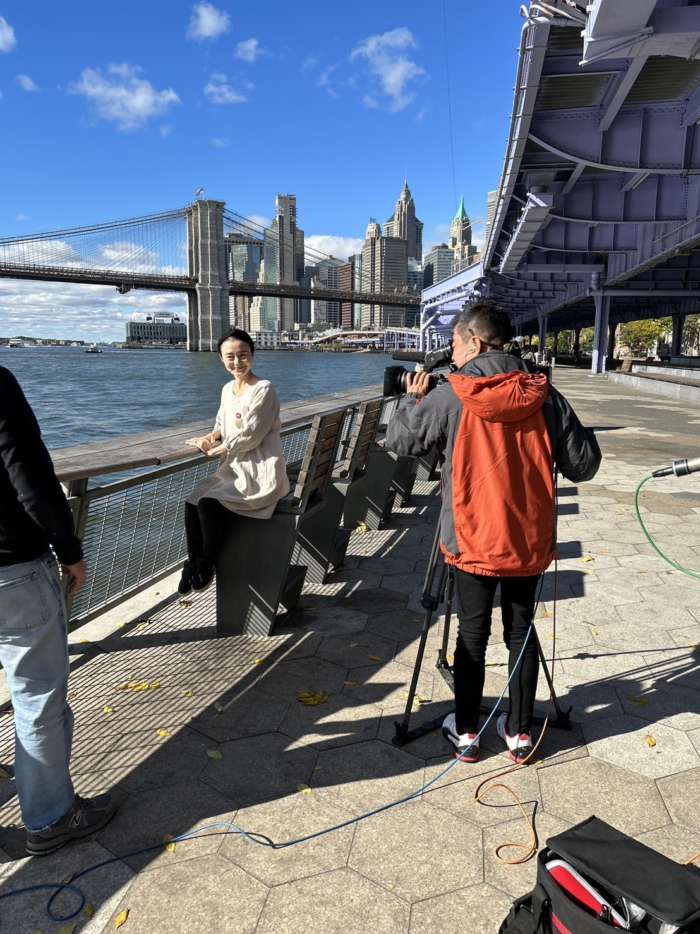
I recently had the opportunity to work on a TV program and went to New York for the filming.
Since I started teaching cooking classes, it has been one of my dreams to visit homes overseas to teach cooking, so when I was offered the opportunity, I wondered if it would really happen, but as the day of my trip to the United States approached, I gradually realized that this is a reality.
Read More
Japanese Home Meals class collaborated with Kokoro Cares
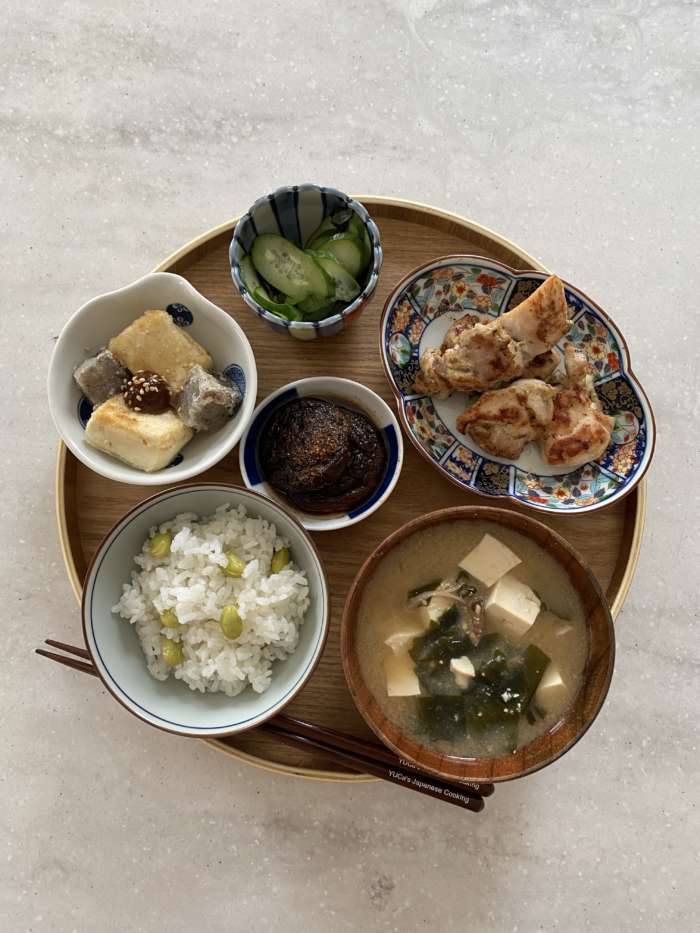
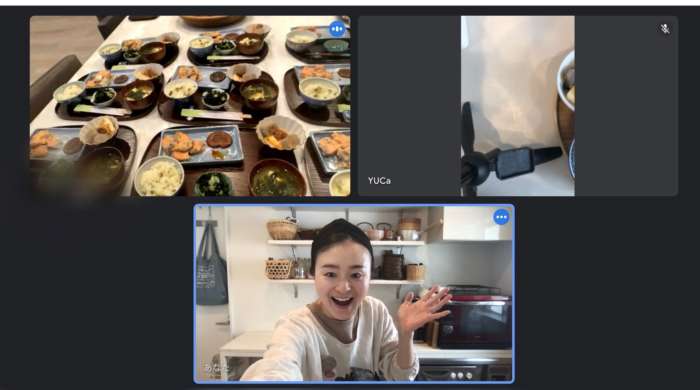
Collaboration class with Kokoro Cares is finished!
Thank you for everyone at Kokoro Cares and for all the guests who joined this special Japanese set meal cooking lesson.
Although we had a limited amount of time to conduct the event, it was a valuable opportunity for me to efficiently prepare a set menu while talking with familiar guests and guests meeting for the first time through the screen. I found that as long as I was prepared, I could prepare so many menus even in the limited time of one hour.
If you are interested in making this kind of Japanese-style set meals, please join my “Healthy Japanese Meals” class (online) or Home Meals class (in-person).