Azabu Juban (麻布十番) is a district of Minato (Minato-ward) in Tokyo. Nestled between Roppongi and Tokyo Tower, Azabu Juban is a surprisingly laid-back neighborhood considering its central location. The convenience of several supermarkets in a central location and the proximity of Hiroo and Roppongi make it one of the more trendy and sought after residential areas of Tokyo. With an old-school atmosphere that retains its Edo period roots, this upscale residential area boasts some of the highest rents in the city.
Azabu Juban is also home to several embassies, making it a popular place of residence for diplomats and globally-minded people. This synergy between traditional and metropolitan gives the neighborhood a truly one-of-a-kind feel.
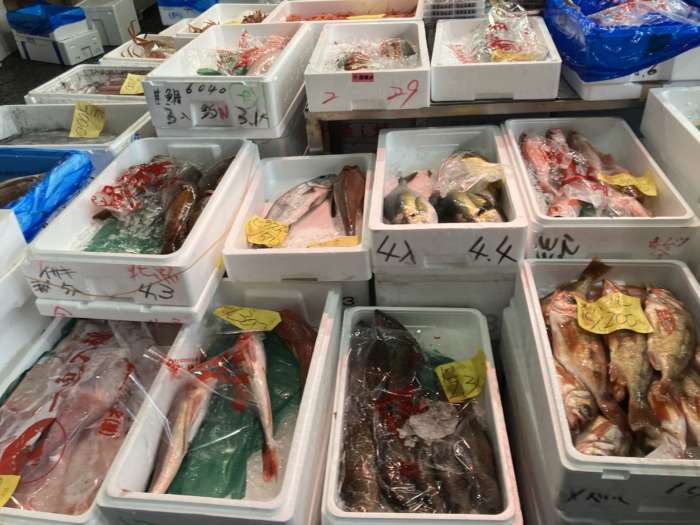
Speaking of markets in Tokyo, the Tsukiji and Tsukiji Outside Markets, which have been relocated to Toyosu, are famous for the fresh fish you can buy and the Shokudo (cafeterias) where you can enjoy a breakfast or lunch. On par with the Tsukiji Market is the lesser-known Adachi Market, the Tokyo Metropolitan Wholesale Market, located in Senjuhashido-cho, Adachi-ku, Tokyo. Supplying mainly fresh marine products, it is the kitchen of Tokyo.
Adachi Market is small for a central wholesale market, with approximately 42,000 m2 of land, which is the only market in Tokyo specializing in marine products, and offers a wide range of products such as fresh and delicious fish as well as vegetables and Japanese omelettes (Tamagoyaki). In addition, just like Tsukiji, several cafeterias offer delicious gourmet food for breakfast and lunch. It is not well known, so it is a good place to visit without worrying about crowds.
Located in the East Tokyo area, Asakusa (浅草) is one of the most visited tourist spots in Tokyo.
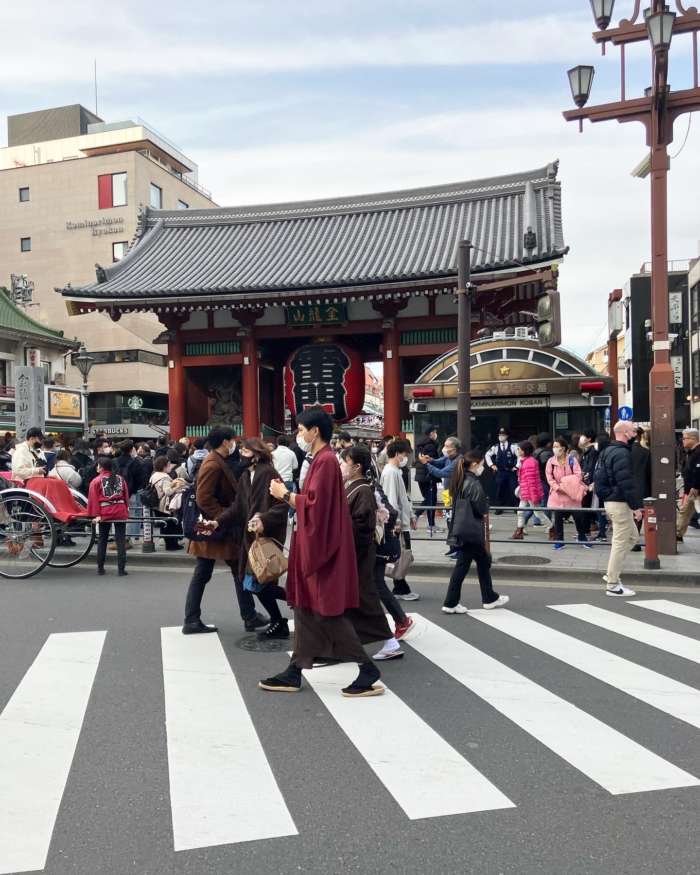
Asakusa is famous as one of Tokyo’s most popular tourist destinations, especially for Sensoji Temple, Nakamise Street, and Kaminarimon (Thunder Gate). The area covers approximately the eastern half of Taito Ward, Tokyo, and is one of the areas that make up the downtown area of Tokyo.
Located in Asakusa, Tokyo, Sensoji Temple is the oldest temple in Tokyo and has a history spanning 1,400 years. And the temple is famous for fulfilling various wishes.
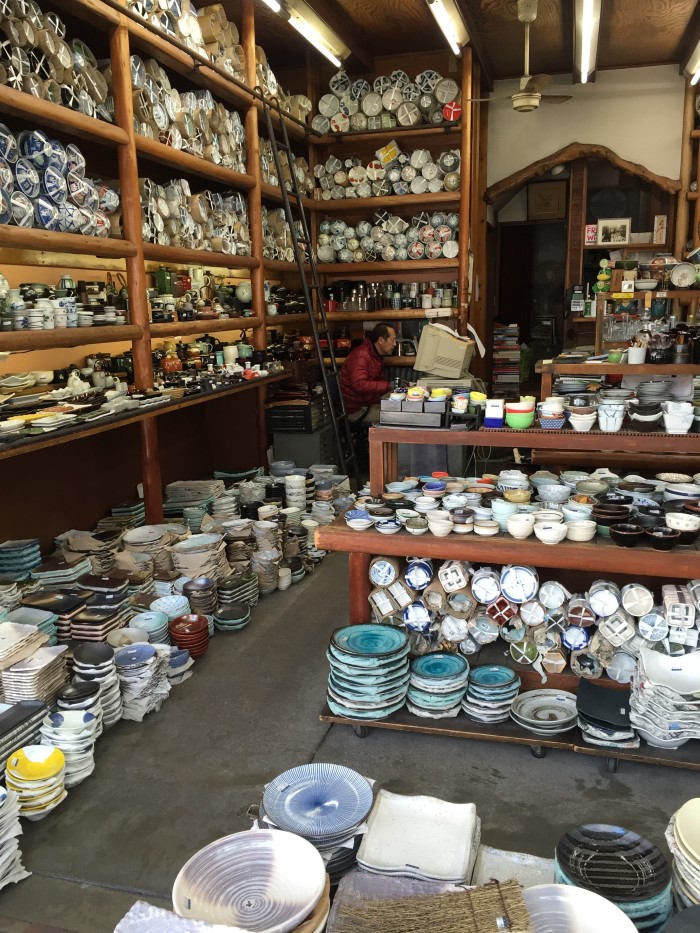
Kappabashi Dogugai (合羽橋道具街) is the largest cooking tool district in Japan, located adjacent to the Asakusa area.
Established in the Taisho era (1912-1926), Kappabashi Dogugai developed as a wholesale district for cooking utensils, tableware, and other items for the restaurant industry, and is now lined with nearly 200 stores, making it a tourist attraction visited by people from Japan and abroad.
In this Vlog, I will introduce the best Onigiri specialty shop Bongo (ぼんご) in Otsuka, northern part of Tokyo. After watching this video, don’t forget to try various onigiri via my recipe videos! I will upload more!! Read More
Tokyo Guide : Starbucks Reserve Roastery Tokyo & Blue Bottle Coffee
This vlog introduces the hidden local spot in Tokyo. This time, I will guide you two popular coffee places in Tokyo; Starbucks Reserve Roastery and Blue Bottle Coffee. For more information about each places etc, please read my blog from down below!
This vlog introduces the Tsukiji Outer Market (known as Tsukiji Fish Market) in Tokyo. Tsukiji Outer Market is one of the best places to eat fresh seafood in Tokyo. My family and I visited there on the weekend morning and tried several foods. Please check thie Vlog to see what the Tsukiji Fish Market looks like in the summer of 2020 and the foods we recommend! To enjoy this Vlog more, please also read the article down below.
In this vlog, I’ll introduce new hotel, The Sequence Miyashita Park which has just opened in Shibuya. This hotel connects to the Miyashita park, which redeveloped for almost 5 years and opened to public finally. My family and I visited there and had the relaxing time in NEW Shibuya. Enjoy this vlog and current Shibuya scene!
Tokyo Guide : MUJI Hotel Ginza Vol.2 | Japanese breakfast
In this vlog, I’ll introduce Japanese-style breakfast and unique vending machine at the MUJI Hotel Ginza. Plus, I will take you to the MUJI GINZA, the MUJI’s world flagship Store in Ginza and review their popular Japanese retort curry products! What do you guess the NO.1 popular MUJI’s curry products among Japanese people?