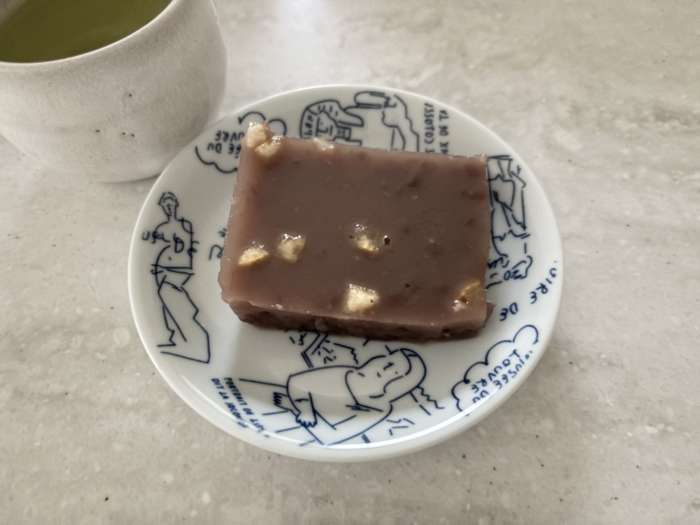
Yuzu yokan with pieces of yuzu peel is a traditional Japanese sweet made by adding yuzu peel to sweet bean jelly. It is characterized by an elegant flavor that balances sweetness with a refreshing aroma and a slight bitterness. The smooth texture is complemented by the subtle chewiness of the yuzu peel, and its appearance is visually appealing. It is often enjoyed with green tea.
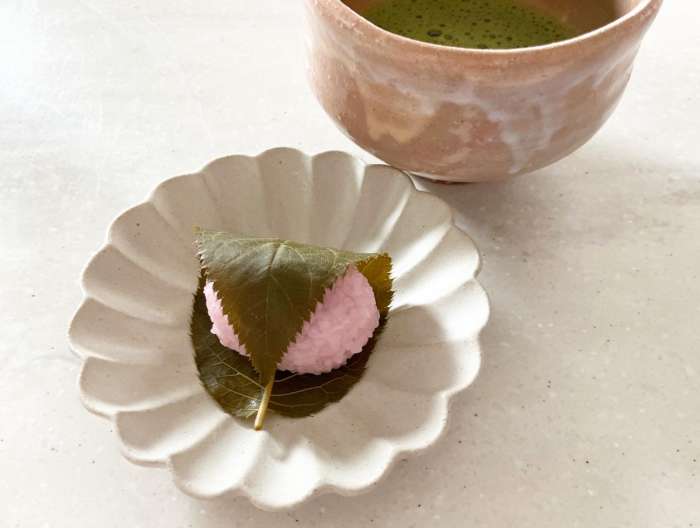
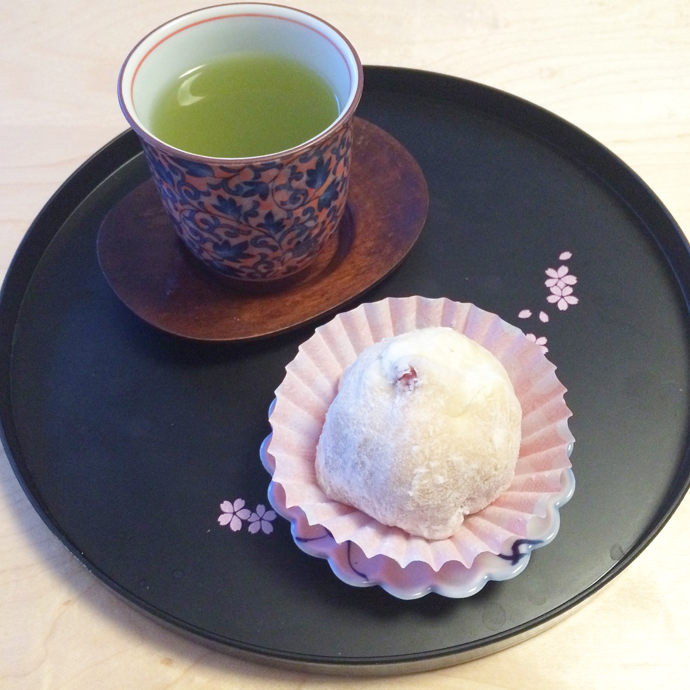
Sakura Mochi (桜餅) is a Japanese confectionery associated with cherry blossoms and is made by wrapping rice cake sweets in cherry leaves. This wagashi is made with a special flour called domyoji flour and steamed to give it a unique texture.
There are two types of what are called “sakura mochi,” one invented in the Kanto region and spread mainly in eastern Japan, and the other invented in the Kansai region and spread throughout Japan.
Although it is a confectionary eaten year-round, today it has become one of the essential sweets for the Dolls’ Festival, partly because it is colored pink to resemble cherry blossoms with food red, as the name implies.
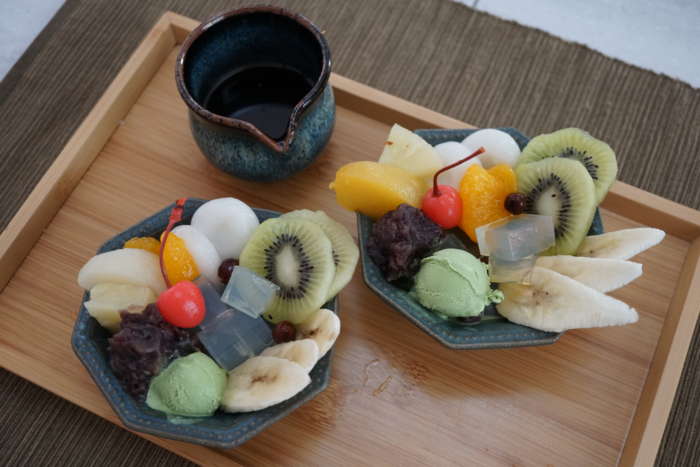
Anmitsu (あんみつ) is considered as a summer dessert but we can buy it all year around here in Japan. This Japanese style parfait is made of small cubes of agar agar jelly, red bean paste called anko, mochi, various fruits, ice cream (either vanilla or matcha flavor) and boiled red beans. It’s usually served with brown sugar syrup called Kuromitsu that you pour over the Anmitsu before enjoying this sweets.
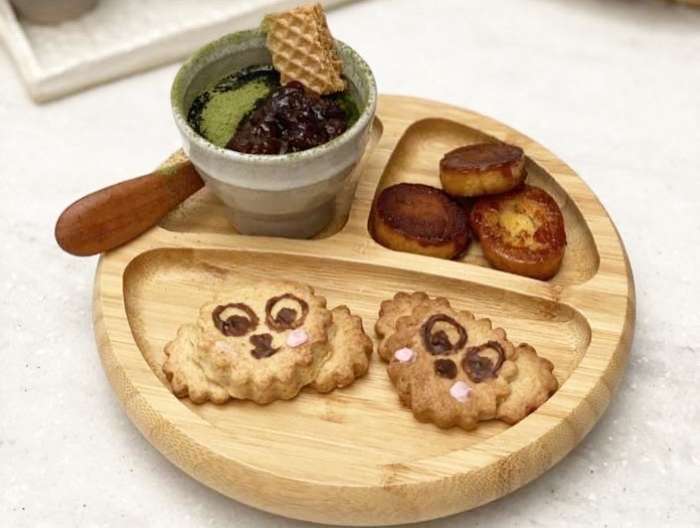
Do you like matcha green tea? Matcha is made by grinding special tea leaves on a millstone and is used for beverages as well as for confectionery. This time, we will use that matcha powder to make vegan pudding without eggs or milk.
* My brand YUCa’s Tea also sells organic matcha, which has been well received by matcha fans in Japan and abroad. I hope you will try them! For more detail, please check this page!
Fu(麩) or Ofu(お麩), also known as gluten or wheat gluten, is an ingredient typically used in soups or cooked with liquids to enhance its texture. In this recipe, we will use fu to create a simple snack that highlights its unique texture. The aroma and flavor of melted butter and caramelized sugar will captivate everyone from children to adults. Please give it a try!
Are you interested in sweets that don’t use eggs and milk? This time, I’ll make cookies using tofu and kinako(soybean powder), which are familiar health foods in Japan. To make them enjoyable, I tried making cookies shaped like the faces of our pets, Mario and Luigi.
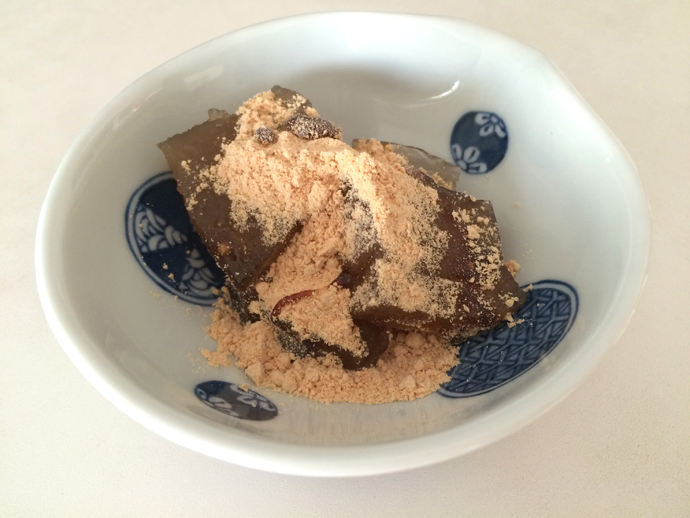
Warabi mochi (わらび餅) is a Japanese confectionery made from starch extracted from the root of the wild vegetable “warabi”. The pulled texture of the warabi mochi and the harmony of the molasses and soybean flour called “Kinako” are addictive, and you will not be able to stop eating it.
Warabi mochi is often confused with kuzumochi, which is also eaten with molasses and soybean flour, but kuzumochi is milky white and has a slightly harder texture. Kuzumochi is made from starch extracted from the root of the “kuzu” plant.
Ichigo Daifuku (いちご大福) is made by wrapping a whole strawberry in anko (red bean paste) and then wrapping it in gyuhi (a type of rice cake). The combination of the tartness of the strawberries and the sweetness of the bean paste is exquisite, and the texture of the mochi is also unique.
There are various theories as to the origin of Ichigo Daifuku, but it is said to have originated in the 1980s, inspired by shortcake. Although it has a shorter history than other wagashi, it is now firmly established as one of Japan’s most popular wagashi.
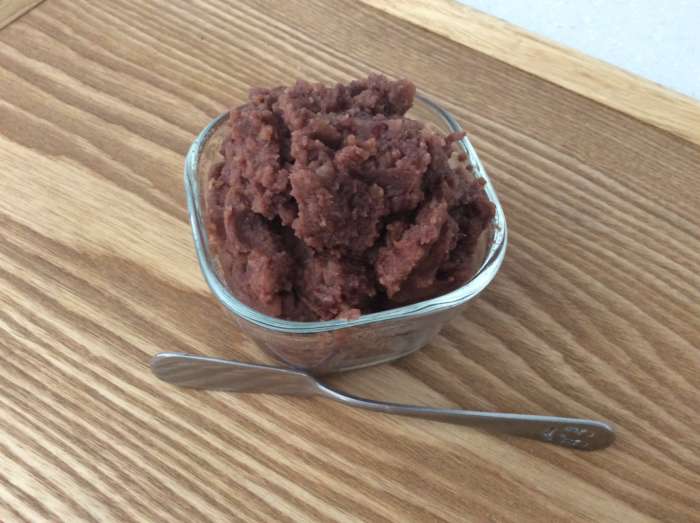
Anko(あんこ) is sweetened azuki beans. It is used in many wagashi, such as daifuku, taiyaki, anmitsu, and oshiruko, and is essential for making wagashi. There are two types of anko: Tsubu-an (つぶあん), which retains the texture of the azuki bean grains, and koshi-an(こしあん), which is strained smooth. If you feel that store-bought anko is too sweet, why not try making homemade anko? And if you do, don’t forget to use azuki beans called dainago(大納言).
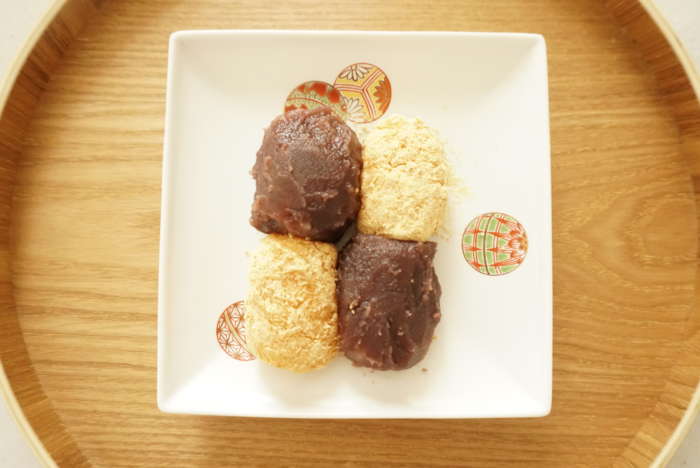
Ohagi (おはぎ) is made by wrapping sweet bean paste with glutinous rice cake or, conversely, by rolling glutinous rice cake into a ball and wrapping it with sweet bean paste. It is an indispensable food for offerings on the far shore, and seems to be a Japanese confectionery that has been familiar to people since ancient times.
In addition, it is called “Ohagi” on the autumnal equinox when hagi flowers bloom, and “Botamochi” on the spring equinox when peony flowers bloom. It is interesting that the names change depending on the time of year.