19th – Choyo no Sekku (Chrysanthemum Festival) : Kiku-zake, Kikuka-cha, Kiku-monaka *Sept.9 on Lunar Calendar Undokai, Sports Festival : Bento Ensoku, School Excursion : Bento

15th – Shichi-go-san(Festive Day for Children) : Osekihan, Chitose-ame, Tai no Shio-yaki

13th – Toshikoshi (Crossing over to a New Year) Around 22nd or 23rd – Toji (Winter Solstice) : Azuki-gayu, Pumpkin 31st – Omisoka (Last day of the year) : Toshikoshi soba
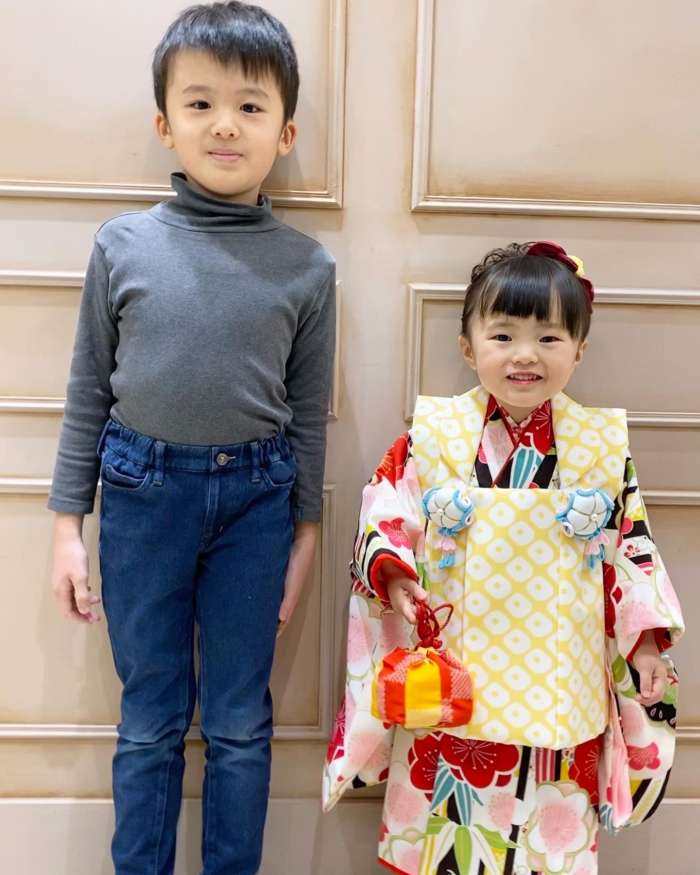
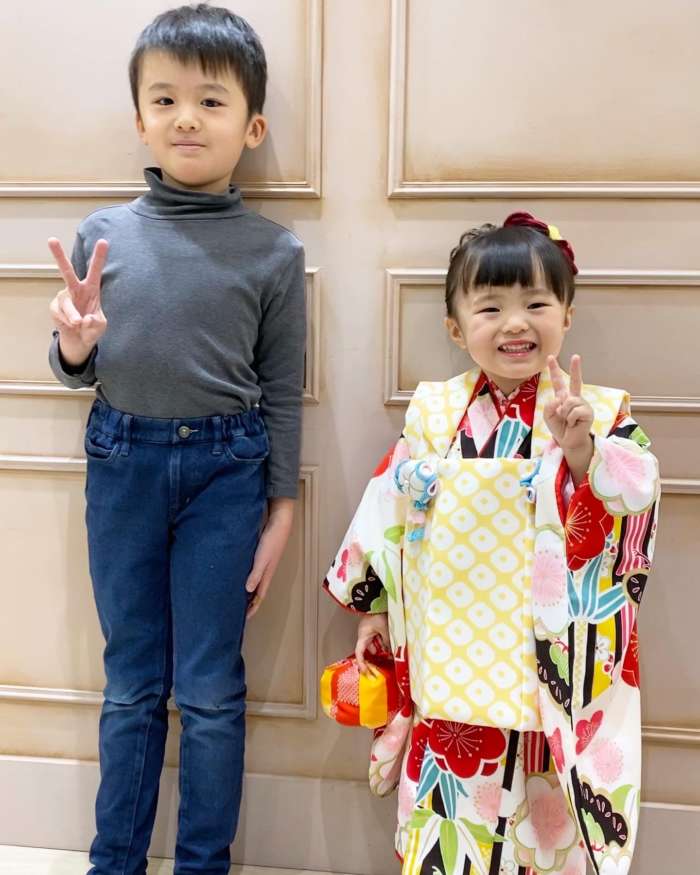
Shichi-Go-San (七五三) is a traditional Japanese celebration that honors children’s growth and prays for their future health and happiness.
It is typically observed around November 15 and is celebrated for children at the ages of three, five, and seven, which are considered important milestones in their development. At age three, both boys and girls celebrate the beginning of growing their hair (“kamioki”). At age five, boys traditionally wear hakama for the first time (“hakamagi”). At age seven, girls begin wearing a traditional obi sash with their kimono (“obitoki”).
The custom originated in times when childhood survival rates were low, so reaching these ages was a significant achievement. Families would give thanks for the child’s healthy growth and pray for continued well-being. Today, it is common for families to visit a shrine, such as Meiji Shrine in Tokyo, to offer prayers for their children.
On this day, children often wear traditional Japanese clothing—kimono for girls and haori and hakama for boys—although modern outfits like dresses and suits have also become popular. A special treat called “chitose ame,” meaning “thousand-year candy,” is also given, symbolizing a wish for long life. Overall, Shichi-Go-San remains an important cultural event in Japan, bringing families together to celebrate and appreciate a child’s growth.
Fukuwarai (福笑い) is a traditional Japanese game often played during the New Year holiday. The name translates to “lucky laugh” or “happy laugh.”
In this game, players place facial features such as eyes, eyebrows, a nose, and a mouth onto a blank face shape, similar to a puzzle. The challenge is that the player is blindfolded, resulting in comically misaligned features.
The game is lighthearted and is meant to bring laughter and joy to participants and onlookers. It’s a popular activity among families and children, symbolizing fun and good fortune for the coming year.
Tsukimi(月見) or the Moon-Viewing Festival, is a traditional Japanese event celebrating the beauty of the harvest moon, typically in September or October.
The tradition dates back to the Heian period (794-1185) and is associated with giving thanks for the autumn harvest. On Tsukimi night, people gather to admire the full moon, often decorating with pampas grass (susuki) and offering seasonal foods such as tsukimi dango (round rice dumplings), taro, and chestnuts to honor the moon. It’s a time for reflection, appreciation of nature, and a chance to wish for a bountiful future harvest.
I found a beautiful bouquet at a florist just a few days ago, themed around Tsukimi. The flowers, shaped to resemble the moon and dango, were round and cute, so I gave it as a gift to a friend.
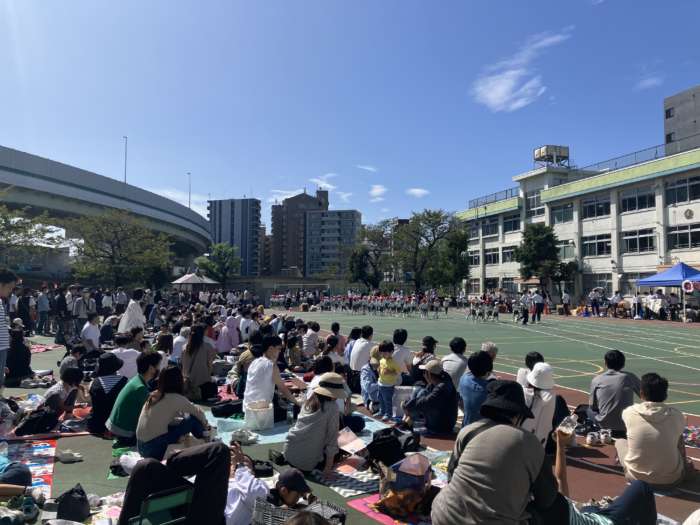
Sports Festival (Sports Day), also known as “Undo-kai” (運動会) in Japanese, is a traditional annual event that is generally held in spring or fall. On the day, all students participate in a variety of sports events such as relay and dance performances typically held on the school’s grounds.
There are competitions in which students are divided into two or more teams and compete to win, which is a lot of fun for the students as well as their parents. Here are some typical athletic competition.
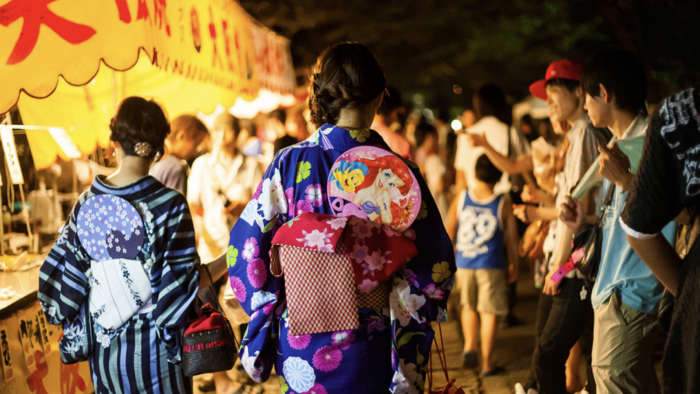
From May to August, summer festivals of various scales are held in various parts of Japan. These include rice planting festivals, purification festivals, festivals of souls or shinkosai (Shinto festivals in which mikoshi (portable shrines) are paraded through the streets). From the day before the festival, the area is enveloped in a festive atmosphere. The energy of the people carrying the magnificent portable shrines and the enthusiasm of the onlookers seem to bring the summer heat to a peak.
Today’s summer festivals feature mikoshi carried by men wearing hanten (short coat) and matahiki (drawers) and street stalls of goldfish scooping, cotton candy, masks, etc., comprising the festival attractions in summer.
Most summer festivals are observed to thank the gods for a peaceful and happy life in the past half year or to prevent any disaster and appease the spirits of the deceased.
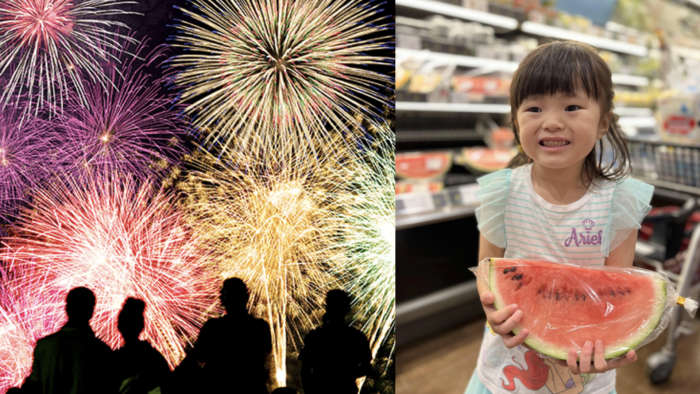
Fireworks displays, the Bon Festival (featuring bon-odori dances), hozuki (Japanese lantern plant) markets and morning glory markets are also regarded as summer festivals.
November 15 is Shichi-go-san (7-5-3). It is a day to give thanks for health and pray for guardian gods for the future happiness of three and five-year-old boys, and three and seven-year old girls.
In the old days, the mortality rates of young children being so high, children were thought to belong to the gods until the age of seven. A child younger than seven years old was not considered a full-fledged member of society. They were not punished for their sins and did not have to mourn. The Shichi-go-san festival was an important event to mark turning points during infancy, and to show one had become a member of society.
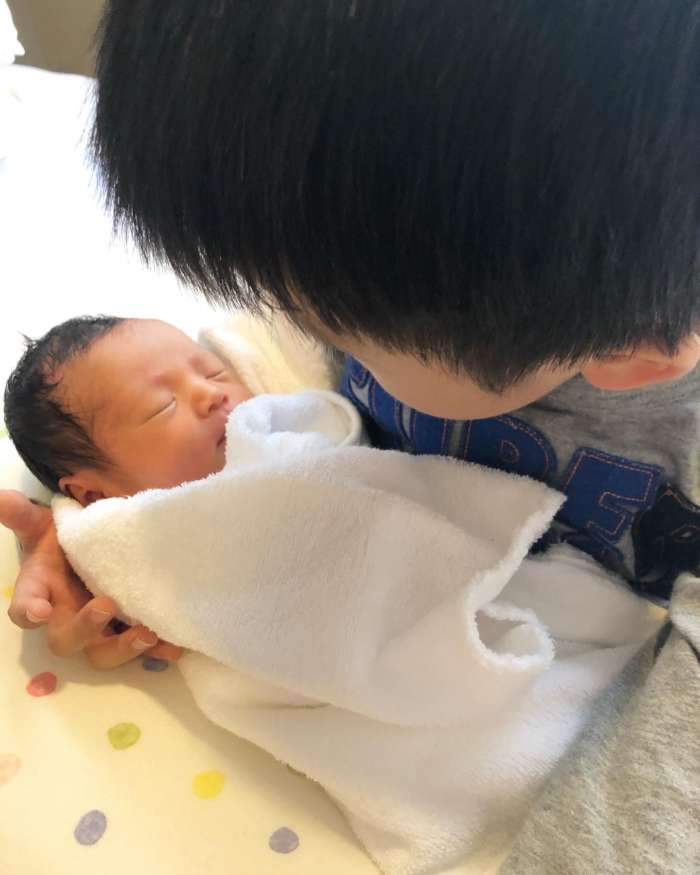
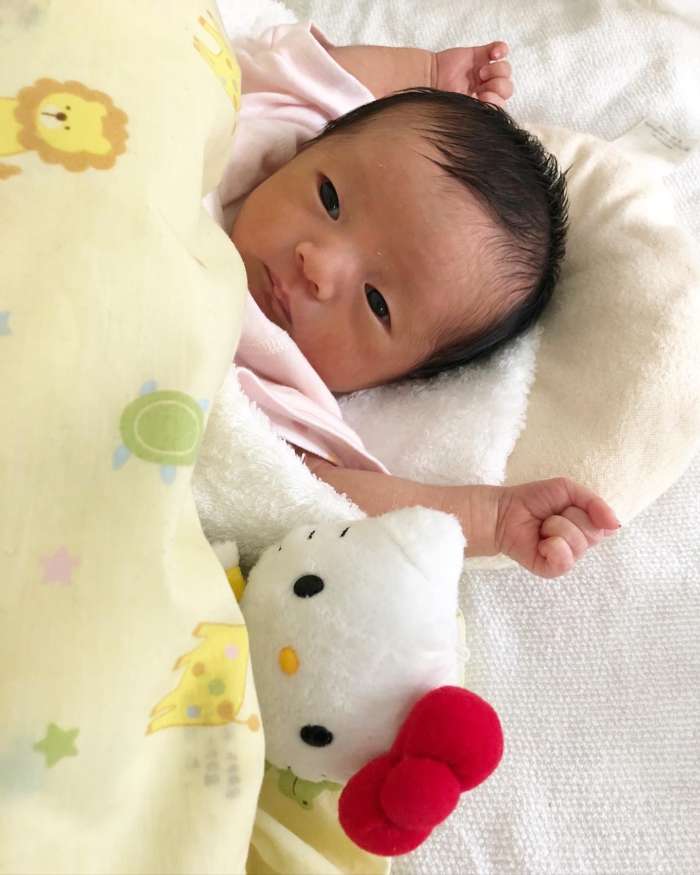
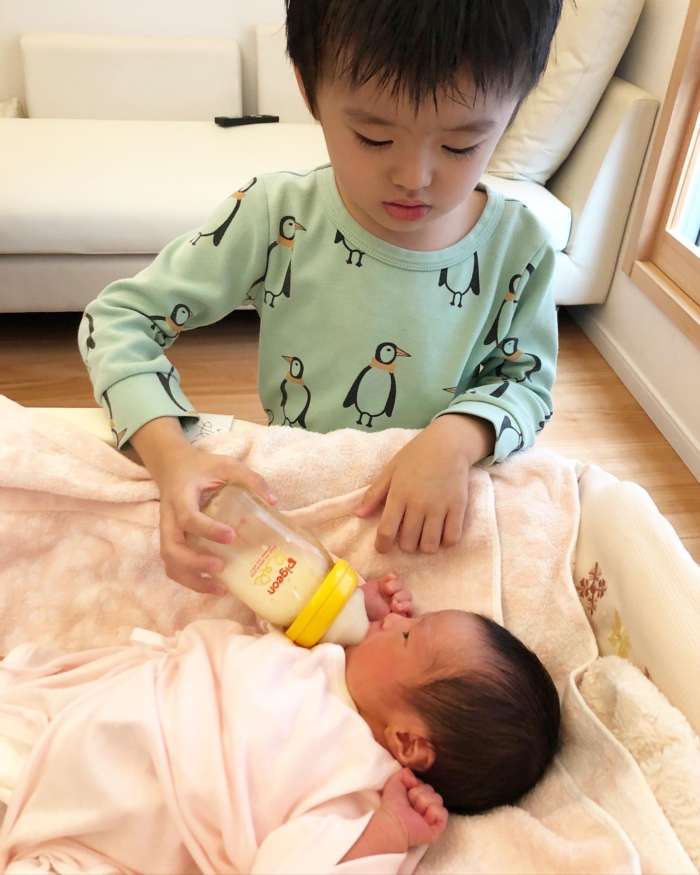
Every region has a custom to hold some kind of celebration on the night that falls on the seventh day after the baby is born, which is called the “Oshichiya” (お七夜).
In the past, relatives, neighbors, matchmakers, godparents, midwives, and others were invited to a feast, where the baby’s name was announced and the baby was recognized as a member of society for the first time.
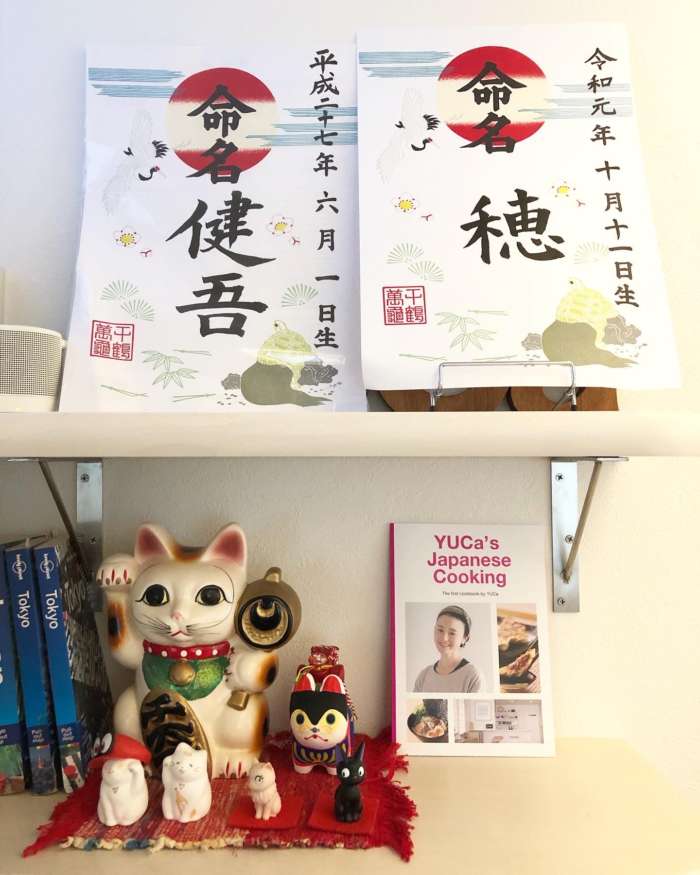
This is a remnant of this tradition, and this gathering is also known as the “celebration of naming called “Meimei Shiki“(命名式).
How to celebrate the Oshichiya
The standard celebration meal for Oshichiya is a red rice (sekihan) served with a fish head. Other auspicious items such as kombu (kelp) and red and white fu (wheat gluten) are also used, but they vary from region to region. You may also serve simmered dishes, sashimi, etc. according to the taste of the guests.
Since it is impossible for the mother to prepare the food for the Oshichiya, it is common to ask the grandparents to help, or to have the food catered.
It would be a pity to take a seven-day-old baby out to a large gathering, so it is best to put the baby in a separate room and allow the guests to see him or her before the feast begins.
Who to invite to the seventh day
The seventh day of life is the time when the mother and the baby are discharged from the hospital, and the mother is easily exhausted. Therefore, today, it is common to invite only the grandparents from both sides of the family for an informal celebration.
If you are invited to the seventh night
Although there is no specific custom, it is a good idea to bring a gift of some kind. It is common to bring a bouquet of flowers, a cake, sake, fruit, a small toy, or baby items.
Memo: Are you interested in more about Japanese culture & events? Check here!
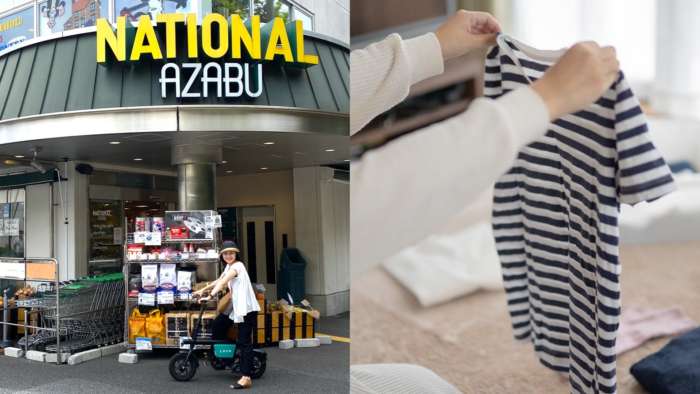
As the seasons change from spring to summer, people put away their warmer clothing and take out their lighter, thinner clothing. Some families even use different furniture and household utensils.
Although things have changed considerably from the days when kimonos were worn every day, the custom of changing clothes according to the season still continues.
Schools and workplaces with uniforms also have the custom of changing clothes. Jackets are removed, tops are changed from long-sleeved to short-sleeved, and bottoms are made of light, breathable fabrics such as linen. Also, depending on the industry, many workplaces are encouraging employees to wear no-ties or casual clothes to work only during this time of the year.
In very olden days, it was the custom at the royal court to change into summer attire on April 1 of the lunar calendar and back into winter on October 1. In later years, the Shogun issued precise regulations regarding dress to all samurai and ladies of the court. Commomn people as well were bound by the regulations.
During the Meiji period, the government established official dates for the seasonal change of clothing. To this day, it is still general practive to change from winter to summer clothes on June 1 and back to winter on October 1.
Seasonal Changes in the House
Yoshido (葦戸) : Sliding door made of reeds
Hanagoza (花茣蓙):Colorful rush matting to lay on top of tatami
Kayari (蚊遣り) : Mosquito coils burn in holders of various shapes
Uchiwa (団扇) : Round flat fan
Kaya (蚊帳) : Mosquito netting is rarely used in Japan nowadays but until dairly recently people slept under these nets during summer.
Natsu-noren (夏暖簾) : Noren are long divided curtains often hung in the entryways of shops and restaurants. During the summer, many shop owners noren made of linen or other light babrics.
Memo: Are you interested in more about Japanese culture & events? Check here!