Latest Posts
Recipe : Harusame Salad

Harusame Salad is a classic Japanese side dish made with glass noodles (harusame), a light soy-based dressing, and a colorful mix of vegetables and protein. This refreshing and healthy dish is especially popular in the summer months, but it can be enjoyed year-round. It’s often served cold and works great as a side dish, a bento item, or even a light lunch.
Read More
Recipe : Pickled Red Turnips with Yuzu peel

This Pickled Red Turnip with Yuzu peel recipe is a perfect balance of sweet and tangy — a refreshing side dish that adds a pop of color to any meal. Quick and easy to make, these vibrant turnips are a great addition to salads, rice bowls, or just enjoyed on their own as a light, crunchy snack!
Read More
Recipe : Bean Sprout and Cucumber Salad with Yukari

This Bean Sprout & Cucumber Yukari Salad is the perfect side dish to brighten up any meal!
With crisp cucumbers, crunchy bean sprouts, and the unique flavor of Yukari (shiso flakes), it’s a simple yet flavorful bite. Quick, healthy, and full of that perfect umami flavor — you’ll want to make this over and over.
Read More
Recipe : Burdock & Hijiki Salad

Hijiki (dried seaweed) and gobo (Japanese burdock root) are ingredients rich in dietary fiber and packed with nutrients. They also have a great texture, providing a satisfying bite and a sense of fullness. In this recipe, in addition to hijiki and gobo, I also use corn and string beans. This salad allows you to get a combination of iron, vitamins, minerals, and calcium all at once. It’s perfect as a side dish for a bento box or as a make-ahead dish for meal prepping.
Read More
Kiriboshi Daikon no Nimono

Kiriboshi daikon no Nimono (切り干し大根の煮物) is a staple in Japanese bento boxes, appreciated for its rich flavor, satisfying texture, and ability to enhance the overall balance of the meal. Kiriboshi daikon (切り干し大根) are dried daikon radish strips that have been rehydrated and then used in various dishes. Kiri-boshi daikon, once simmered, has a unique texture that is slightly chewy and tender. It absorbs the rich flavors of the broth and seasonings, making it a flavorful addition to the dish. It is not only delicious but also nutritious. It is low in calories and high in dietary fiber, vitamins, and minerals. This dish is served as one of the various components in a bento box, often alongside rice, pickles, and other side dishes.
Read More
Chilled tofu with tomato
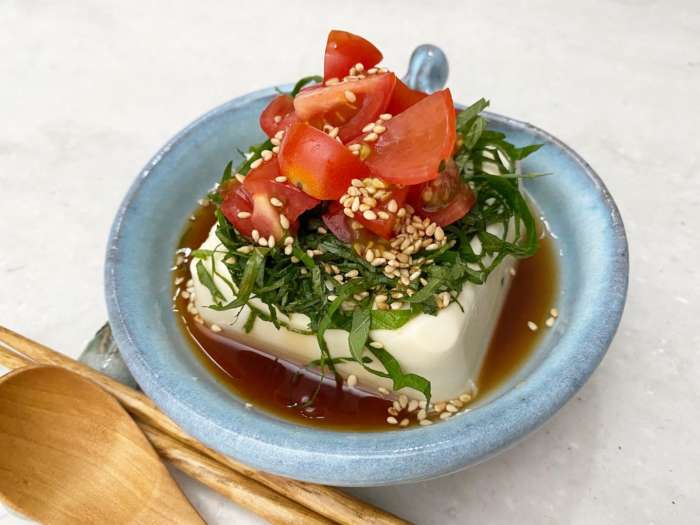
Hiyayakko (冷奴) is chilled tofu topped with seasonings and condiments. Depending on the toppings, you can enjoy various flavors of chilled tofu. In this episode, I put Japanese basil, cherry tomato and white sesame seeds. Then, pour the ponzu sauce.
Read More
Ohitashi
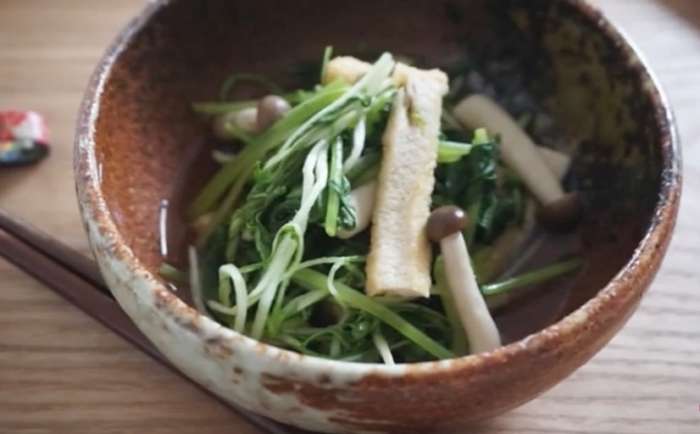
Ohitashi (Blanched vegetables with Dashi) is a really delicate side dish made by draining the water from boiled vegetables and seasoning them with dashi broth, soy sauce, and mirin. It can also be a vegan side dish if you use a vegan dashi broth. The trick to this dish is to quickly blanch the vegetables to preserve their fresh texture. This dish can be served at room temperature or cold.
Read More
Japanese Omelette
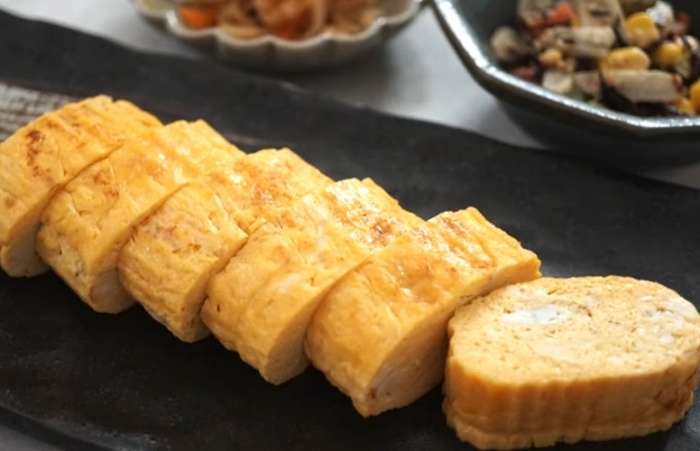
Tamagoyaki is the iconic egg recipe in Japan. We use dashi soup stock as the base and roll the egg mixture with using special pan. However, you can make Tamagoyaki without using it. In this recipe video, I introduce how to make Tamagoyaki in 2 ways; using special omelette pan and round shape frying pan.
Read More
Kinpira Gobo
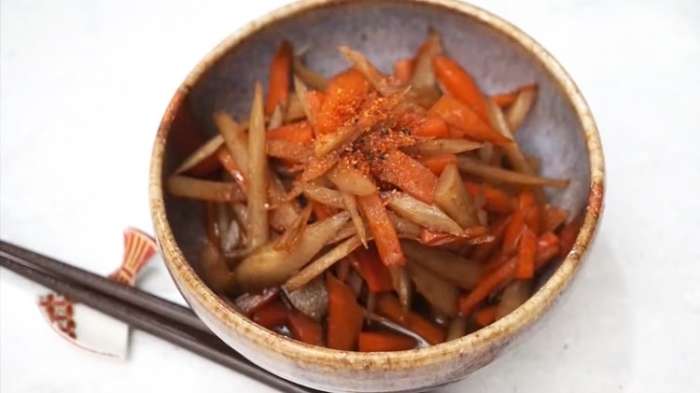
The name of this dish “Kinpira” came from the Japan’s old story. The main character Kinpira was strong and courageous man, so Kinpira represents strong and courageous in Japan. “Gobo” is a root vegetable called burdock in English and has lots of fiber. For cooking, “Kinpira” dishes are stir-fried veggies seasoned with soy sauce, mirin, sake and sugar. For Kinpira Gobo, carrot are quite often added. This is also a Plant-based, Vegan & Gluten-free Japanese recipe.
Read More
Tamagoyaki (Japanese Omelette/Egg Roll)
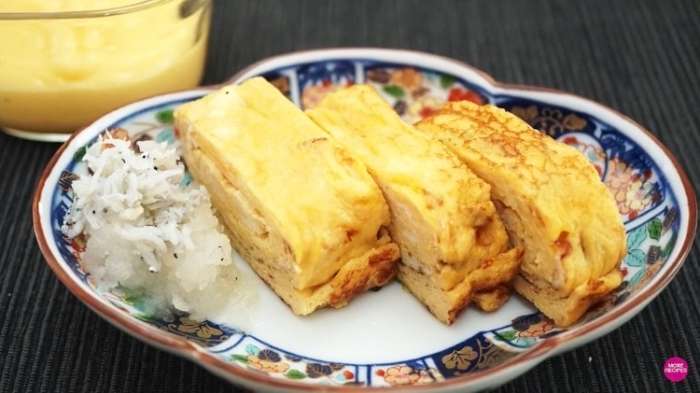
Tamagoyaki (Japanese Omelette/Egg Roll) is one of Japan’s unique egg dishes. Usually, tamagoyaki is a little sweet with sugar. In this recipe, however, the sweetness is reduced by adding homemade mayonnaise.
Read More