Japanese Cooking Class in Tokyo & Japanese Food Recipe Site. YUCa's Food & Lifestyle Media from Japan

Trip adviser Google map instagran youtube

In-person Class Schedule

  • Yuka's Japanese Cooking
    2-34-8, Nishiogu116-0011
    Apr 10(Fri) 10:00-12:30

    Ramen & Gyoza

  • Yuka's Japanese Cooking
    2-34-8, Nishiogu116-0011
    Apr 22(Wed) 10:00-12:30

    Ramen & Gyoza

  • Yuka's Japanese Cooking
    2-34-8, Nishiogu116-0011
    Apr 23(Thu) 10:00-12:30

    Okonomiyaki & Gyoza

  • Yuka's Japanese Cooking
    2-34-8, Nishiogu116-0011
    Apr 24(Fri) 10:00-12:30

    Ramen & Gyoza

  • Yuka's Japanese Cooking
    2-34-8, Nishiogu116-0011
    Apr 27(Mon) 10:00-12:30

    Ramen & Gyoza

  • Yuka's Japanese Cooking
    2-34-8, Nishiogu116-0011
    May 1(Fri) 10:00-12:30

    Ramen & Gyoza

See all

Latest Posts

Japanese Kitchen Tools : Rolling Knife Sharpener

Categorised in: | Link of this article

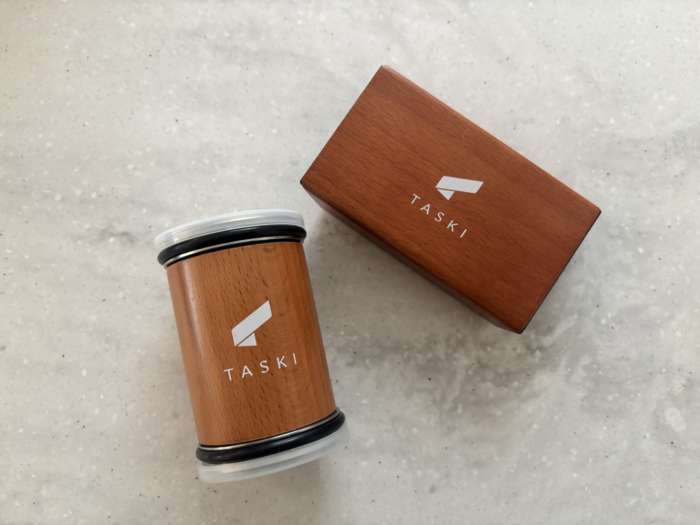
A Rolling Knife Sharpener is a simple and user-friendly tool designed to sharpen kitchen knives by rolling a cylindrical sharpening device along the blade.

It typically consists of two main parts: a rolling drum coated with abrasive materials such as diamond or ceramic, and a magnetic angle guide that holds the knife at a fixed angle. To use it, you place the knife against the guide and roll the sharpener back and forth. This motion allows the blade to be sharpened evenly without needing advanced skills.

Unlike traditional whetstones, which require practice to maintain the correct angle, a Rolling Knife Sharpener ensures consistent results with minimal effort. It is especially popular among beginners and home cooks because it is quick, safe, and easy to use.
Read More
Sakura Forecast in Japan 2026

Categorised in: | Link of this article


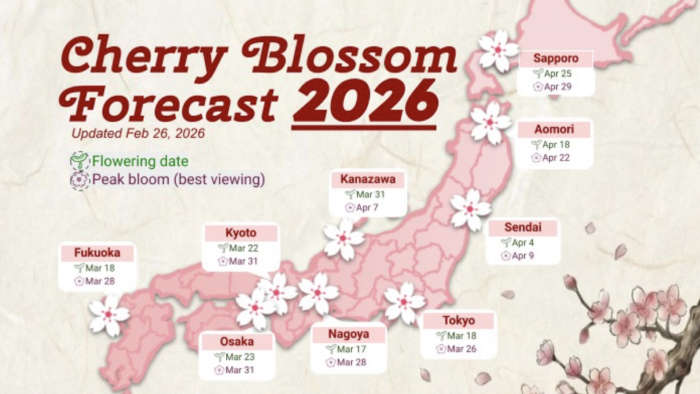
Japan’s cherry blossom forecast has been announced! 🌸
Reservations for my cooking classes are filling up, and only a few spots remain.

If you’re planning to visit Japan during cherry blossom season, I’d be delighted to have you join my class.
For classes, please check our class calendar! I look forward to welcoming you!

Annual Events and Food in Japan

Categorised in: | Link of this article

Annual Event & Festive Food In Japan

1st – Shogatsu (New Year) : Osechi(-ryori), Fukubukuro, Shimekazari, Fukuwarai
7th – Nanakusa no Sekku (Seventh-Day New Year) : Nanakusa gayu
11th – Kagami Biraki (Opening the Rice-Cake Offerings) : Oshiruko
15th – Koshogatsu (Small Shogatsu) : Red bean rice porridge
20th – Hatsuka shogatsu : Ozoni

3rd – Setsubun (Seasonal Division) : Ehomaki
8th – Harikuyo (Memorial Service for Needles) : Tofu
10th – Hatsu-uma : Inarizushi

3rd – Hinamatsuri/Momo no Sekku (Doll Festival ) : Chirashizushi
21st – Ohigan (Spring Equinox) : Botamochi

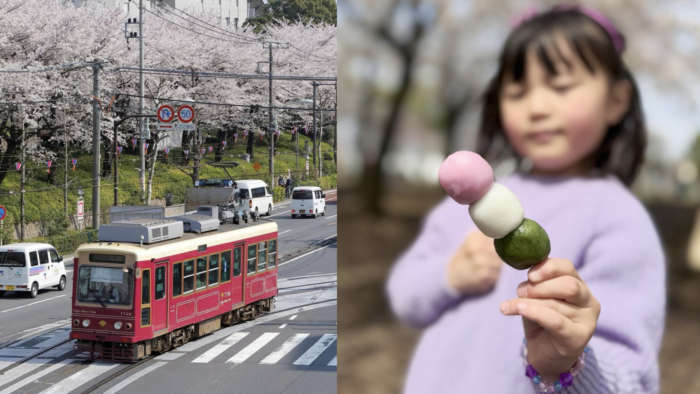
Hanami (Cherry-Blossom Viewing) : Sakuramochi, Dango
8th – Hanamatsuri (Flower Festival)

5th – Tango no sekku,(Children’s Day) : Kashiwa-mochi, Chimaki

Koromogae (Seasonal Change of Clothing)
Around 10th – Nyu-bai : Plum syrup, Umeboshi

7th – Tanabata (Star Festival) : Somen

15th – Obon (Bon Festival) : Vegetable Tempura, Rice Dumplings, Udon, Inari Sushi

15th – Tsukimi (Moon Viewing) : Tsukimi Dango
Ohigan, Autumn Equinox : Ohagi

19th – Choyo no Sekku (Chrysanthemum Festival) : Kiku-zake, Kikuka-cha, Kiku-monaka  *Sept.9 on Lunar Calendar
Undokai, Sports Festival : Bento
Ensoku, School Excursion : Bento

15th – Shichi-go-san (Festive Day for Children) : Osekihan, Chitose-ame, Tai no Shio-yaki

13th – Toshikoshi (Crossing over to a New Year)
Around 22nd or 23rd – Toji (Winter Solstice) : Azuki-gayu, Pumpkin
31st – Omisoka (Last day of the year) : Toshikoshi soba

Shichi-Go-San (Seven-Five-Three)

Categorised in: | Link of this article

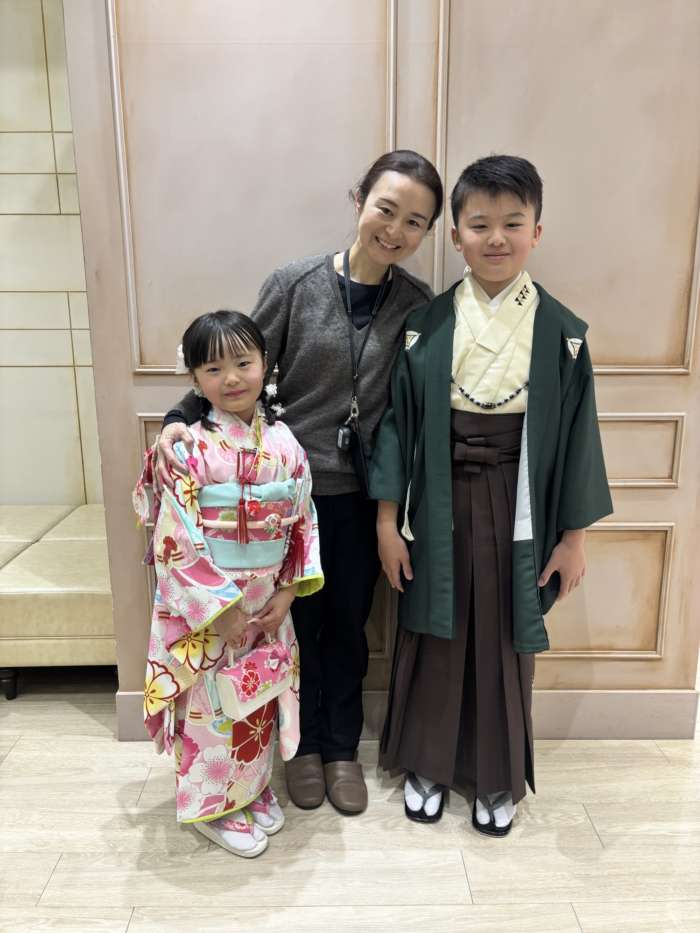
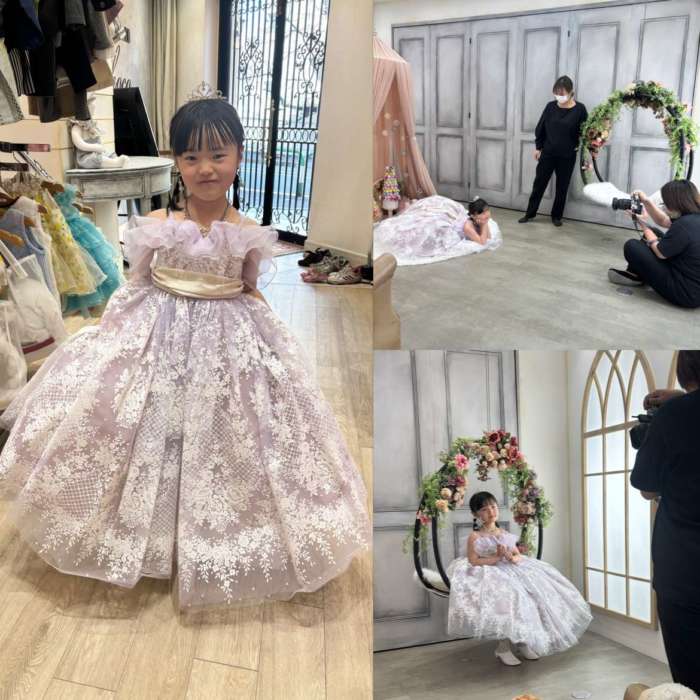
Shichi-Go-San (七五三) is a traditional Japanese celebration that honors children’s growth and prays for their future health and happiness.


It is typically observed around November 15 and is celebrated for children at the ages of three, five, and seven, which are considered important milestones in their development. At age three, both boys and girls celebrate the beginning of growing their hair (“kamioki”). At age five, boys traditionally wear hakama for the first time (“hakamagi”). At age seven, girls begin wearing a traditional obi sash with their kimono (“obitoki”).

The custom originated in times when childhood survival rates were low, so reaching these ages was a significant achievement. Families would give thanks for the child’s healthy growth and pray for continued well-being. Today, it is common for families to visit a shrine, such as Meiji Shrine in Tokyo, to offer prayers for their children.

On this day, children often wear traditional Japanese clothing—kimono for girls and haori and hakama for boys—although modern outfits like dresses and suits have also become popular. A special treat called “chitose ame,” meaning “thousand-year candy,” is also given, symbolizing a wish for long life. Overall, Shichi-Go-San remains an important cultural event in Japan, bringing families together to celebrate and appreciate a child’s growth.

Related article :
Shichi-go-san (2022)

Japanese Kitchen Tools : Saibashi

Categorised in: | Link of this article

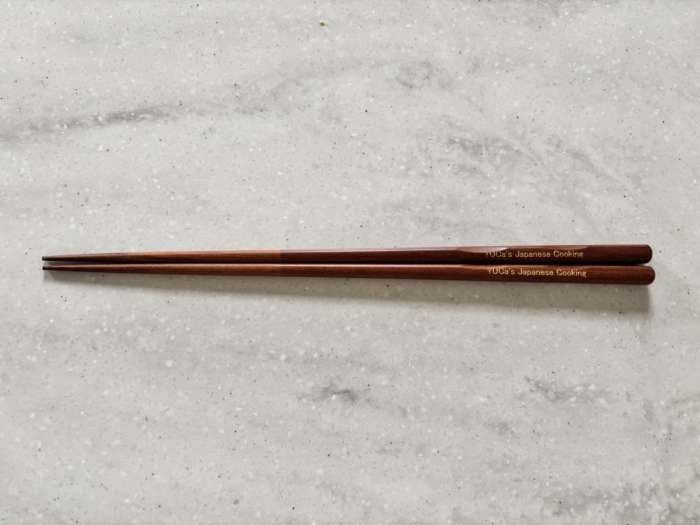
Saibashi (菜箸) are long chopsticks used in Japanese cooking. They are longer than regular chopsticks used for eating, typically measuring about 30–40 cm (12–16 inches) in length. Their length helps keep your hands away from hot oil or boiling pots, allowing you to handle food safely while cooking. There are several cultural reasons why Japanese people use cooking chopsticks, closely connected to Japan’s food culture and cooking methods. First, Japan has a long tradition of eating with chopsticks, and naturally this utensil became useful in the kitchen as well. Japanese cuisine often emphasizes handling ingredients delicately and cooking them carefully without breaking their shape.

Read More

Tokyo Guide : Freshly Pounded Mochi at SASUI ITO EN

Categorised in: | Link of this article

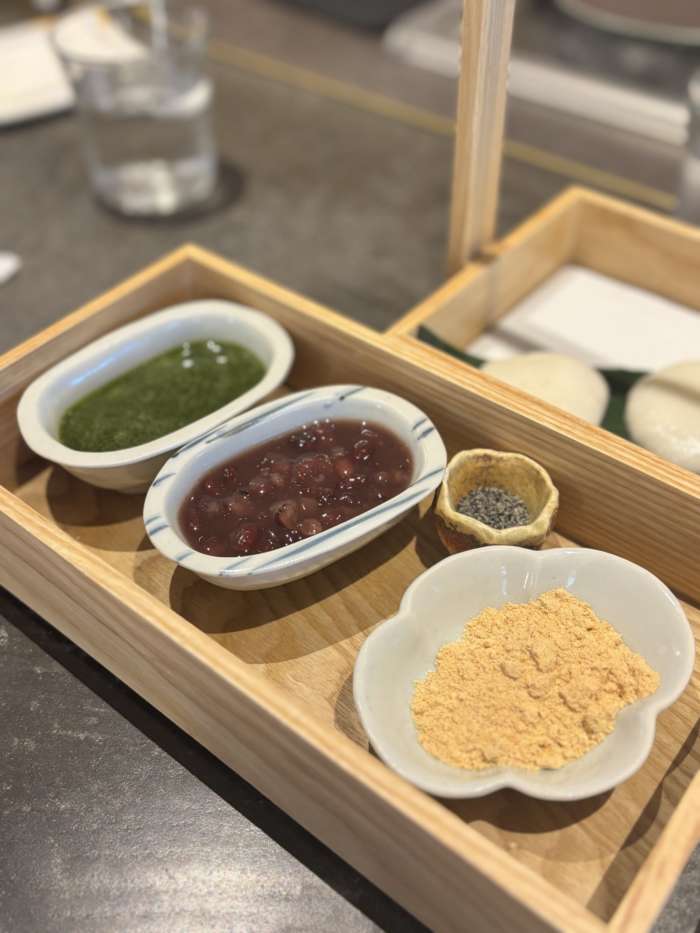
Enjoy freshly pounded mochi at NEWoMan Takanawa’s SASUI ITO EN (茶々水 伊藤園). Try warabi mochi, matcha anmitsu, and a mochi set served with premium Japanese tea.

If you’re searching for fresh mochi in Tokyo or the perfect matcha dessert experience, look no further than SASUI ITO EN at NEWoMan Takanawa. Located just steps from Takanawa Gateway Station, this modern Japanese tea café offers something rare: freshly pounded mochi served daily, paired with premium Japanese tea.

This is not just a café visit — it’s a refined tea and sweets experience.

Read More

Tokyo Guide : Yamamoto Nori-ten

Categorised in: | Link of this article

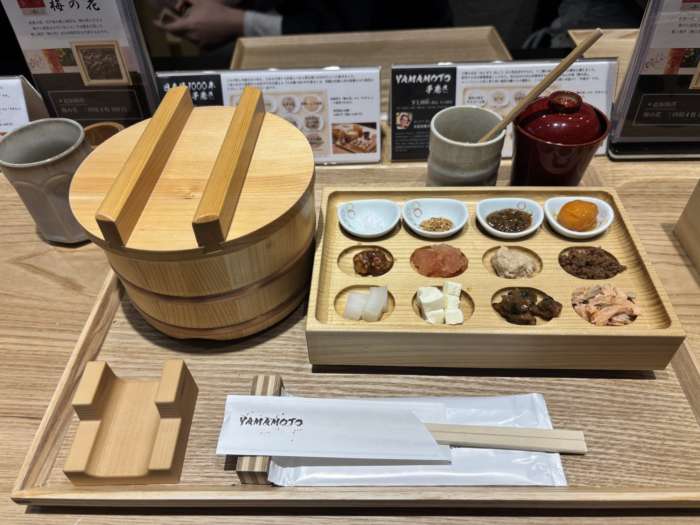
Where to Buy the Best Nori in Tokyo: Yamamoto Nori-ten (山本海苔店) in Nihonbashi

If you’re wondering where to buy high-quality nori in Tokyo, look no further than Yamamoto Nori-ten in Nihonbashi. Founded in 1849, this historic seaweed specialty store has been perfecting the art of nori for over 170 years — making it one of the most respected nori shops in Japan.

Located in Nihonbashi, a district known as the birthplace of commerce in Tokyo, the shop perfectly matches its surroundings: refined, traditional, and deeply connected to Japanese culture.

Read More

Tokyo Cooking Class with a Snow-Covered Mini Garden View

Categorised in: | Link of this article

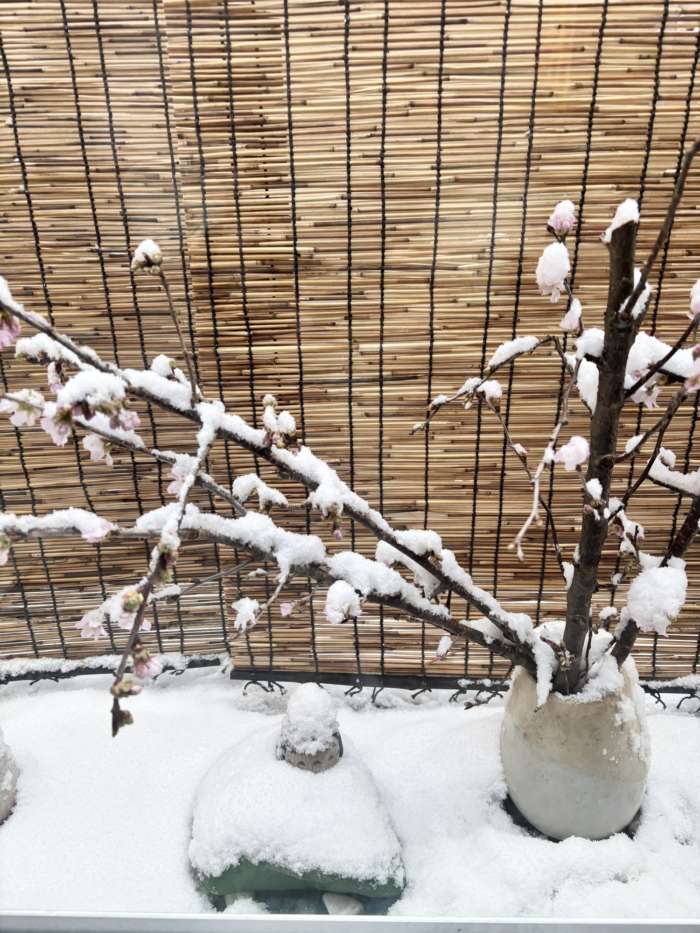
Tokyo covered in snow ❄️
A rare and magical winter moment in the city.

Before heading out, I paused at my cooking studio, looking out at the small garden outside the window — now gently covered in snow.
The usually quiet mini garden felt even more still, wrapped in white.

This day was an important election day for Japan.
I filmed this video on a snowy morning on my way to the polling station.
The snow may have affected the turnout and the results.

Even so, I believe in doing what I can, first.
Watching the snow settle softly over the garden reminded me that small, quiet actions still matter.
That was the feeling I carried with me that morning.

Related video :


この投稿をInstagramで見る


Japanese Cooking Class | Tokyo 🇯🇵(@yucasjapanesecooking)がシェアした投稿

Japanese Kitchen Tools : Miso Muddler

Categorised in: | Link of this article

040

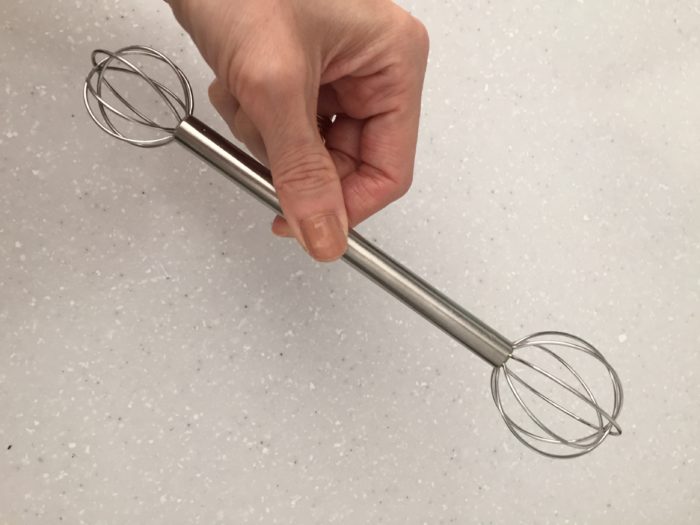
The miso muddler (味噌マドラー) is a thoughtfully designed Japanese kitchen tool made especially for preparing miso soup, a staple of everyday home cooking in Japan. Its rounded, spiral-shaped tip allows you to scoop up miso paste easily and dissolve it directly into hot dashi, helping the miso blend quickly and smoothly without clumps. Compared to using a ladle or chopsticks, it distributes flavor more evenly and saves time.

At first glance, many people are curious about how to use this unique tool, but once they try it, they’re often impressed by how simple and efficient it is. If you’ve ever found your kitchen counter crowded with utensils while cooking—especially when trying a new recipe—the miso muddler offers a smart, space-saving solution.
Read More

Ten-chazuke

Categorised in: | Link of this article

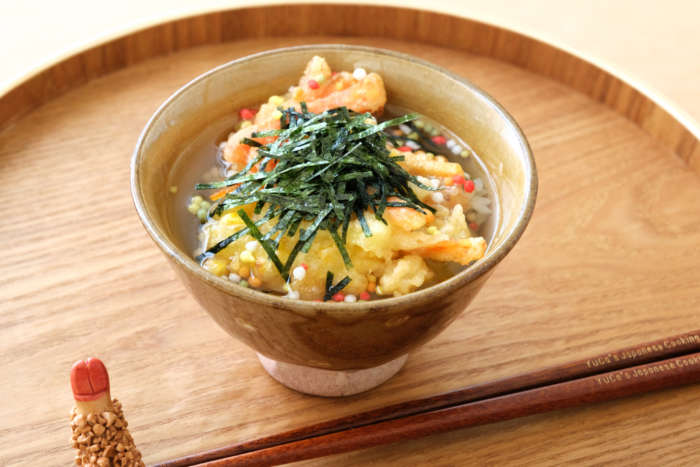
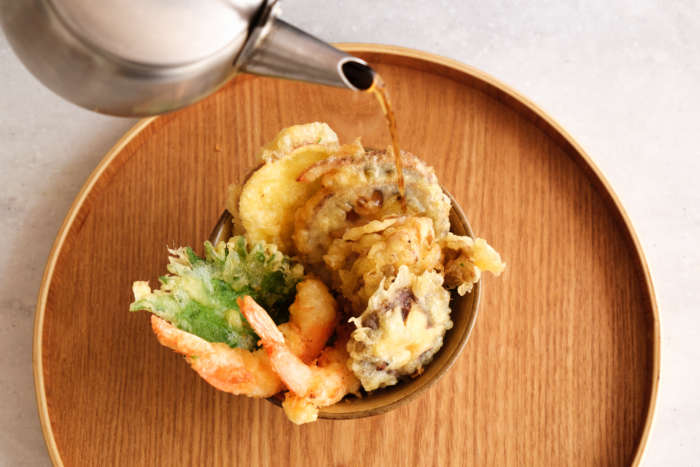
Ten-chazuke is a type of ochazuke in which tempura is placed over rice and served with green tea or roasted green tea poured on top.

The word “ten” refers to tempura, and when tea is added to freshly fried tempura, the batter softens slightly, creating a light and refreshing flavor that reduces the heaviness of the oil.
It is often served as a finishing dish after a tempura rice bowl (tendon), offering a satisfying yet pleasantly light conclusion to the meal.

Are you interested in learning Japanese Cooking? Come to our cooking class in Tokyo!
Please check the class calendar and keep your seats from here !❤️

In-person Class Schedule

See all