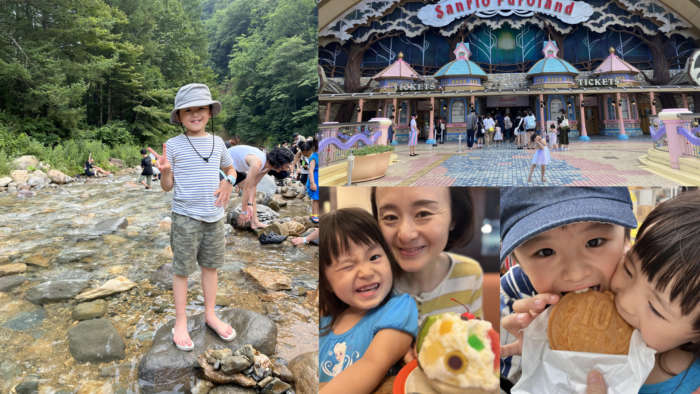
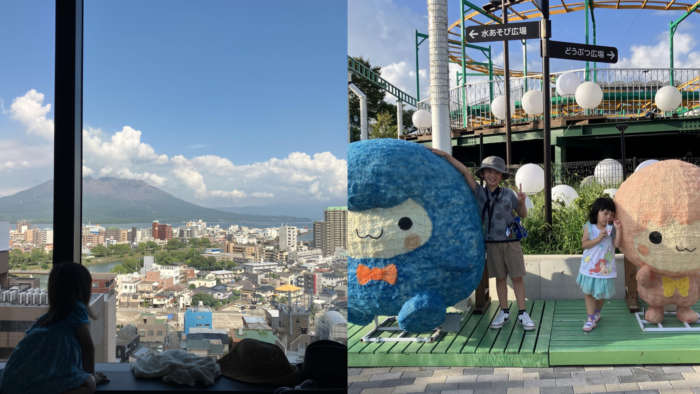
Summer vacation is over. Even our children, a kindergartener and an elementary school student, they seemed to have enjoyed their month-long free time.
My son, an elementary school student, had homework from school. He had to complete Japanese and math assignments on a tablet PC, a one-line diary (with a checklist to see if he helped his parents), a book report, a diary of his observations of mini-tomatoes, a free craft (in his case, making a LEGO creation), and 10 books to read.
There are also many other contests that are free to participate in, such as contests to draw posters on environmental issues, eco ideas, summer- and autumn-themed haiku, piggy bank designs, and so on.
When I was in elementary school, a special booklet called “Summer Vacation Friends” was distributed. I think there was a little more homework, not only Japanese and arithmetic, but also science and social studies.
On the other hand, some schools did not give homework because it was “summer vacation,” which I felt reflected the times.
Do you have homework in your country? I would be very happy if you could tell me what kind of homework you have.
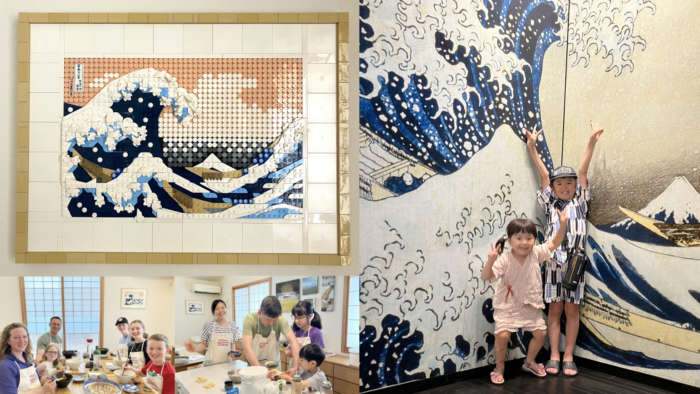
Do you know a Japanese famous artist, Katsushika Hokusai? Even if you do not know his name, you may have seen this ”The Great Wave off the Coast of Kanagawa”, one of his masterpieces.
Since this LEGO product were recently released, we decided to display it inside the YJC classroom. Furthermore, we are happy to add a Japanese-style interior. Read More
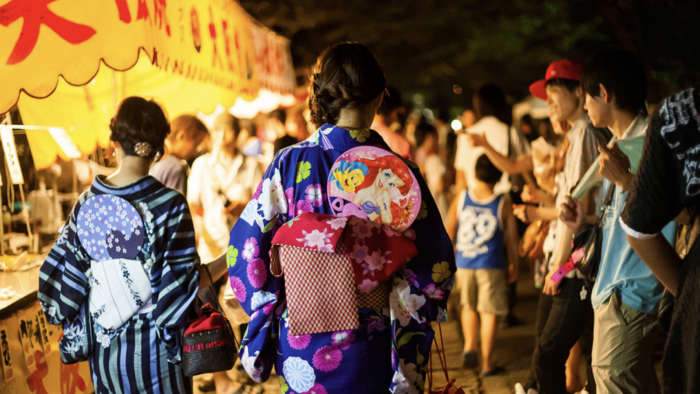
From May to August, summer festivals of various scales are held in various parts of Japan. These include rice planting festivals, purification festivals, festivals of souls or shinkosai (Shinto festivals in which mikoshi (portable shrines) are paraded through the streets). From the day before the festival, the area is enveloped in a festive atmosphere. The energy of the people carrying the magnificent portable shrines and the enthusiasm of the onlookers seem to bring the summer heat to a peak.
Today’s summer festivals feature mikoshi carried by men wearing hanten (short coat) and matahiki (drawers) and street stalls of goldfish scooping, cotton candy, masks, etc., comprising the festival attractions in summer.
Most summer festivals are observed to thank the gods for a peaceful and happy life in the past half year or to prevent any disaster and appease the spirits of the deceased.
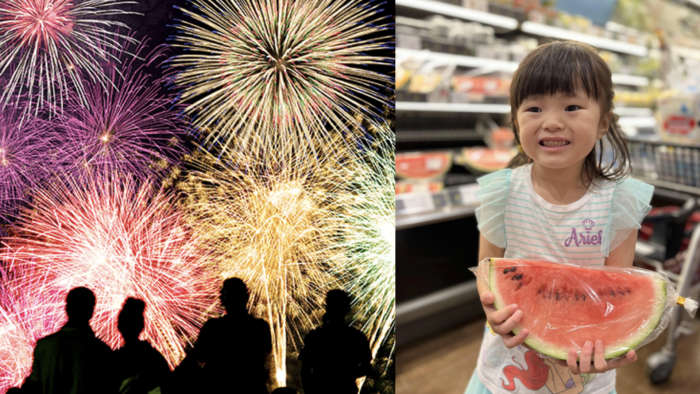
Fireworks displays, the Bon Festival (featuring bon-odori dances), hozuki (Japanese lantern plant) markets and morning glory markets are also regarded as summer festivals.
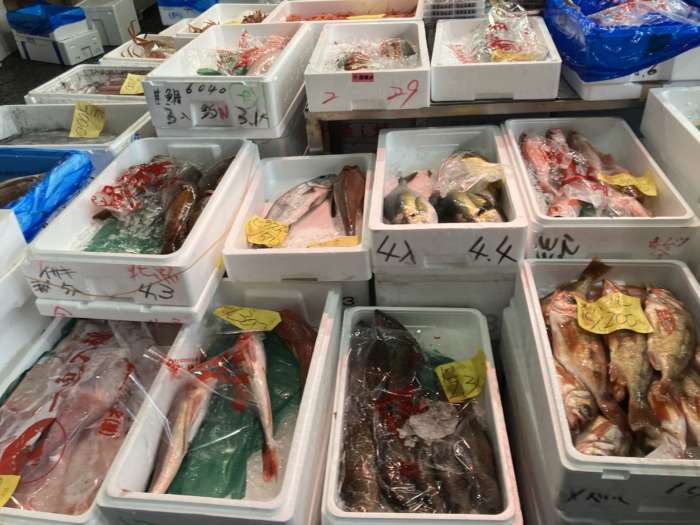
Speaking of markets in Tokyo, the Tsukiji and Tsukiji Outside Markets, which have been relocated to Toyosu, are famous for the fresh fish you can buy and the Shokudo (cafeterias) where you can enjoy a breakfast or lunch. On par with the Tsukiji Market is the lesser-known Adachi Market, the Tokyo Metropolitan Wholesale Market, located in Senjuhashido-cho, Adachi-ku, Tokyo. Supplying mainly fresh marine products, it is the kitchen of Tokyo.
Adachi Market is small for a central wholesale market, with approximately 42,000 m2 of land, which is the only market in Tokyo specializing in marine products, and offers a wide range of products such as fresh and delicious fish as well as vegetables and Japanese omelettes (Tamagoyaki). In addition, just like Tsukiji, several cafeterias offer delicious gourmet food for breakfast and lunch. It is not well known, so it is a good place to visit without worrying about crowds.
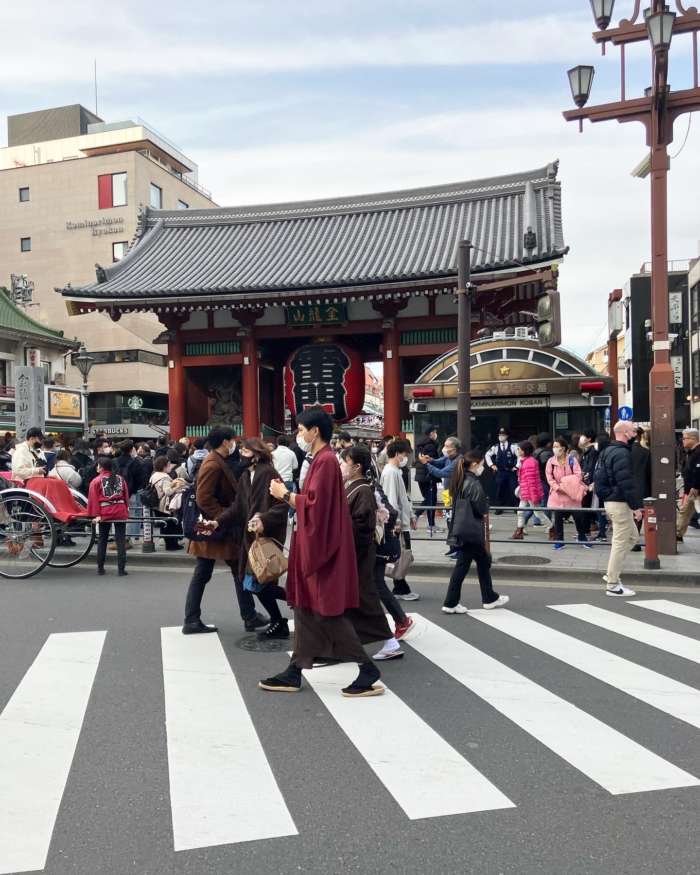
Located in the East Tokyo area, Asakusa (浅草) is one of the most visited tourist spots in Tokyo.
Asakusa is famous as one of Tokyo’s most popular tourist destinations, especially for Sensoji Temple, Nakamise Street, and Kaminarimon (Thunder Gate). The area covers approximately the eastern half of Taito Ward, Tokyo, and is one of the areas that make up the downtown area of Tokyo.
Located in Asakusa, Tokyo, Sensoji Temple is the oldest temple in Tokyo and has a history spanning 1,400 years. And the temple is famous for fulfilling various wishes.
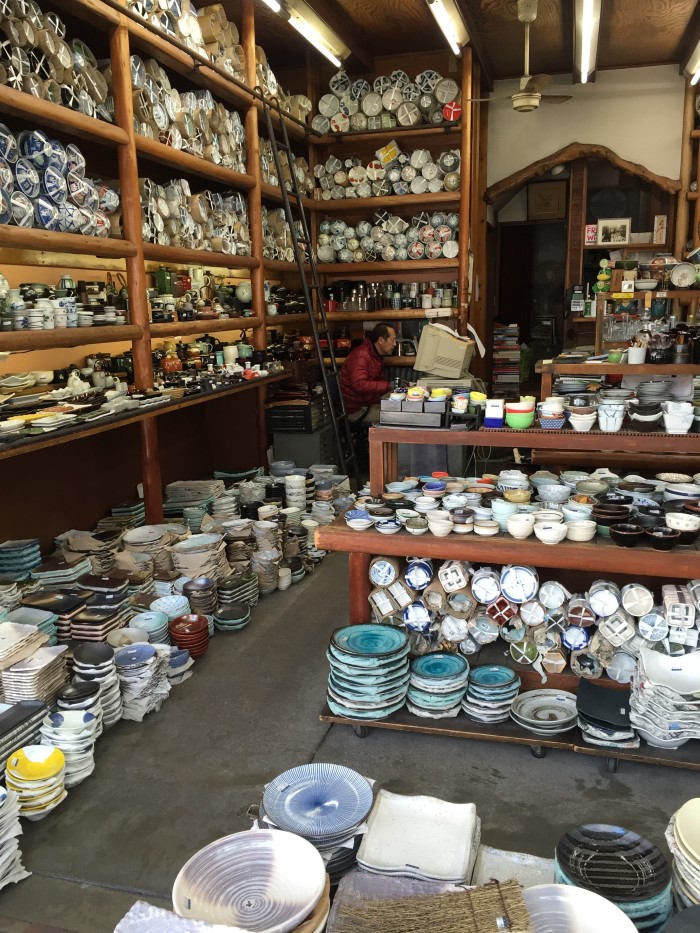
Kappabashi Dogugai (合羽橋道具街) is the largest cooking tool district in Japan, located adjacent to the Asakusa area.
Established in the Taisho era (1912-1926), Kappabashi Dogugai developed as a wholesale district for cooking utensils, tableware, and other items for the restaurant industry, and is now lined with nearly 200 stores, making it a tourist attraction visited by people from Japan and abroad.
Japanese curry has a unique flavor that cannot be found anywhere else, and is very popular among men and women of all ages in Japan and abroad. Because of this, a variety of retort pouch foods are sold in Japan. In this video, we introduce the BEST 5 popular curries in Japan in a ranking format. What are the 5 selected Japanese curries? Read More