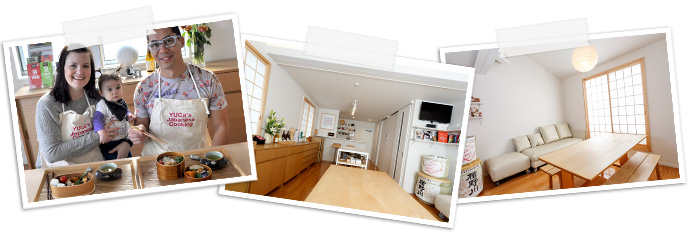
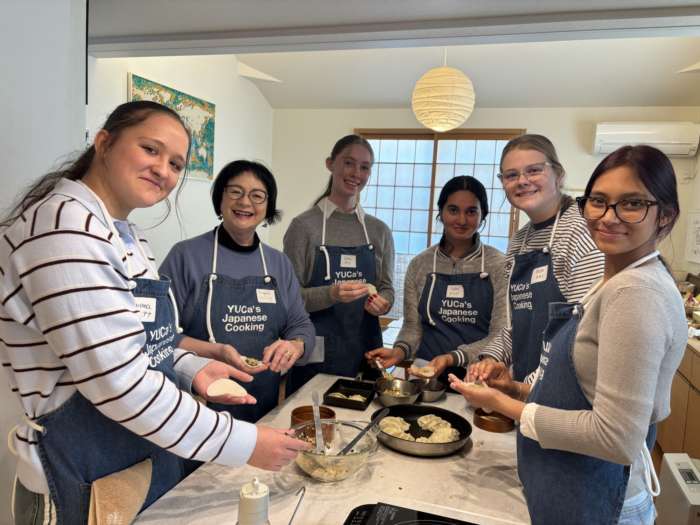
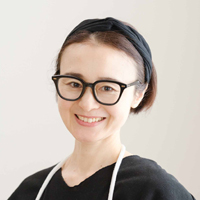
Welcome to “YUCa’s Japanese Cooking”, a cooking class in TOKYO.
Chef and Recipe creator YUCa will guide you through the art of Easy, Simple and Delicious Japanese food to you! The Best Cooking class in Japan by international travelers 2018 – 2023 by TripAdvisor!
YJC offers 7courses. All classes focuses on Japanese home cooking. Each class takes 3 hours and hands-on class. Please push button to know more detail.
Cutting boards are something we use every day in the kitchen. With just a small change, they can become much more convenient and hygienic.
Among them, self-standing cutting boards are especially practical.
After washing, you can simply stand them upright to dry, allowing water to drain easily and helping them dry more quickly. They are especially useful during humid seasons or in kitchens with limited space.
Out of the blue, I have some exciting news—I’m creating a book filled with all of my favorite things, tentatively titled “The YUCa Book”!
Time has passed since I published my first book, YUCa’s Japanese Cooking ~First cookbook by YUCa~, in 2019, and I’ve begun to turn my thoughts toward my next one.
The book will be a special combination of a recipe collection—something many of you have requested—and a guide to my favorite hidden spots in Tokyo that I highly recommend visiting.
I’m working to create content that you can enjoy before your trip, during your stay, and even after you return home, as a way to relive your memories.
Right now, I’m meeting with an editor once a week as we shape this project together.
If there’s any content you’re curious about or recipes you’d love to see included, please feel free to reply to this email and let me know.
I would be so happy to create a book that includes your ideas as well! ❤️📖
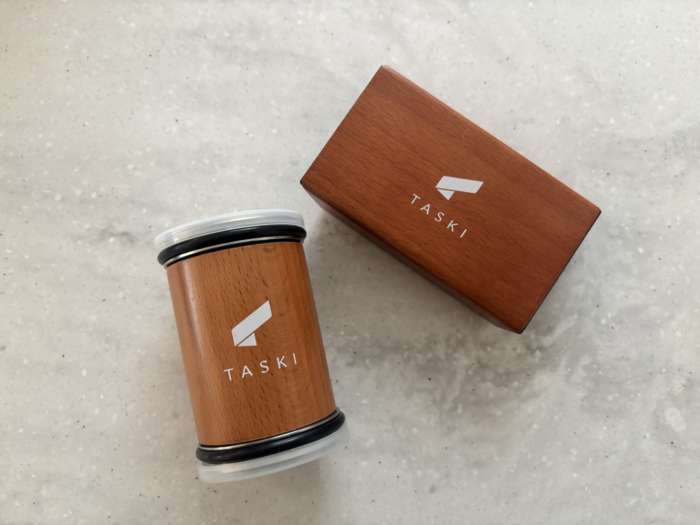
A Rolling Knife Sharpener is a simple and user-friendly tool designed to sharpen kitchen knives by rolling a cylindrical sharpening device along the blade.
It typically consists of two main parts: a rolling drum coated with abrasive materials such as diamond or ceramic, and a magnetic angle guide that holds the knife at a fixed angle. To use it, you place the knife against the guide and roll the sharpener back and forth. This motion allows the blade to be sharpened evenly without needing advanced skills.
Unlike traditional whetstones, which require practice to maintain the correct angle, a Rolling Knife Sharpener ensures consistent results with minimal effort. It is especially popular among beginners and home cooks because it is quick, safe, and easy to use. Read More
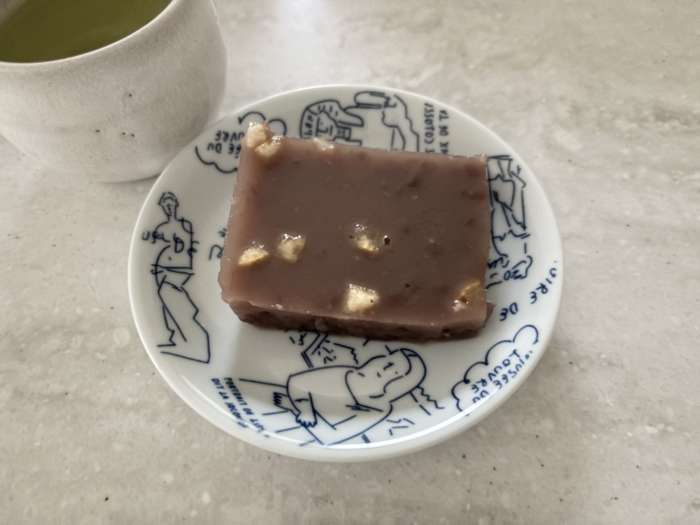
Yuzu yokan with pieces of yuzu peel is a traditional Japanese sweet made by adding yuzu peel to sweet bean jelly. It is characterized by an elegant flavor that balances sweetness with a refreshing aroma and a slight bitterness. The smooth texture is complemented by the subtle chewiness of the yuzu peel, and its appearance is visually appealing. It is often enjoyed with green tea.
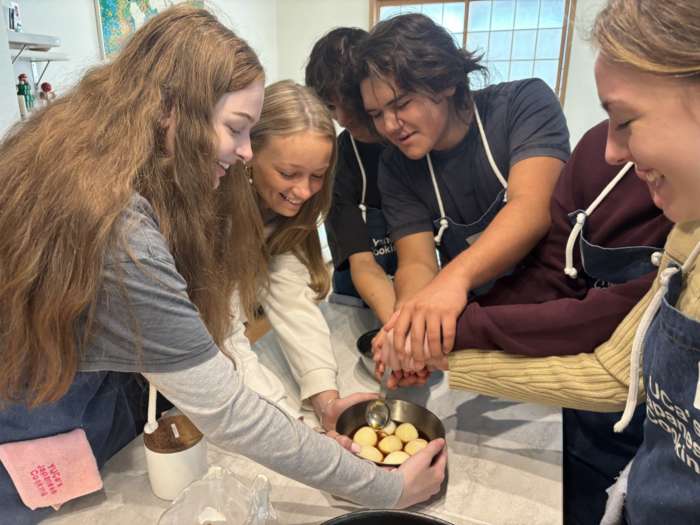
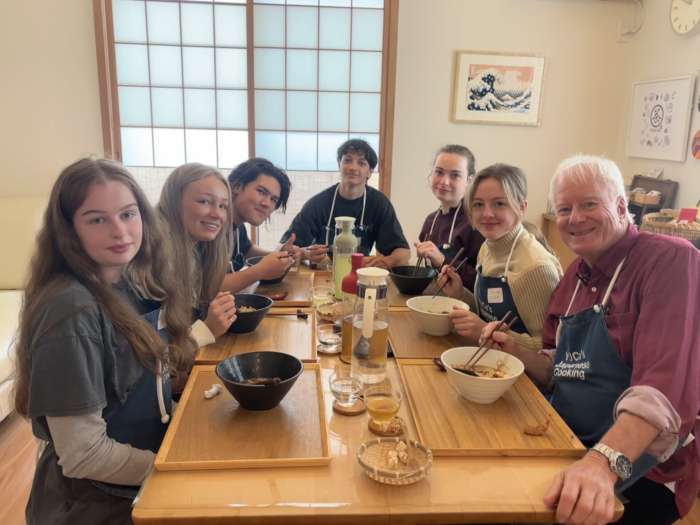
Are you planning a school trip to Japan? Why not add a hands-on Japanese cooking experience to your journey?
In our cooking class, students don’t just eat Japanese food — they learn, create, and connect through it.
👩🏻🍳What you can experience: • Make authentic Japanese dishes from scratch • Learn cultural stories behind each recipe • Enjoy a warm, welcoming home-style atmosphere • English-friendly guidance for international students
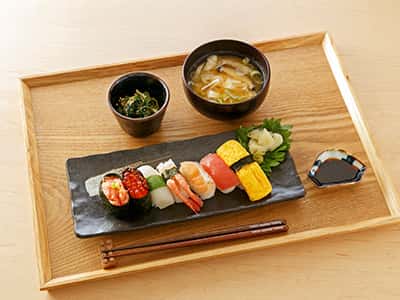
From sushi to tempura, bento to seasonal home cooking — this is more than a class, it’s a memorable cultural experience.
Perfect for: 🎒 High school study tours 🌸 Cultural exchange programs 👫 Small group activities 📩 DM us for group bookings & availability!
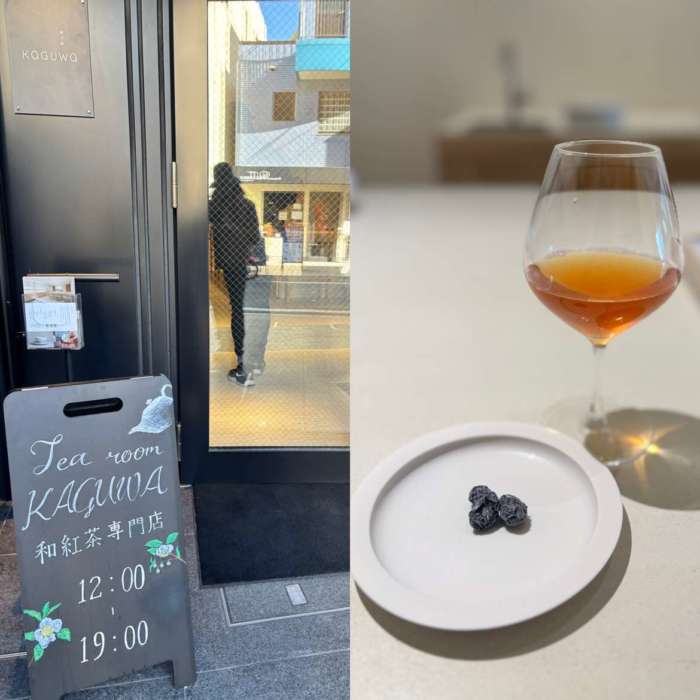
What Is Wakoucha? Discover Japanese Black Tea in Tokyo.
KAGUWA is a specialty tea shop dedicated to wakoucha, or Japanese black tea.
Unlike the black tea many people are familiar with, wakoucha is made from Japanese tea leaves and offers a much softer, rounder flavor. It has very little bitterness, and instead carries a gentle natural sweetness along with a delicate, almost floral aroma.
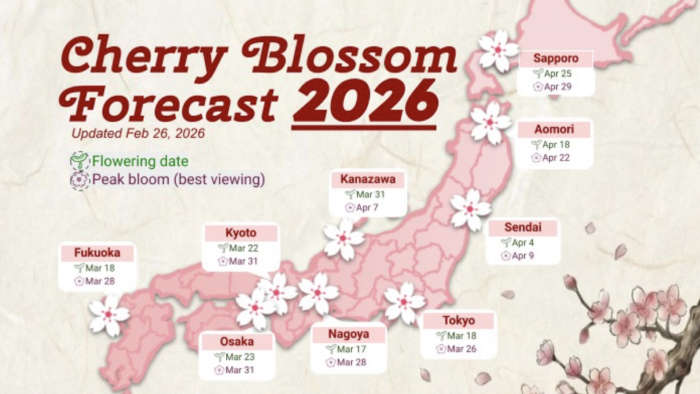
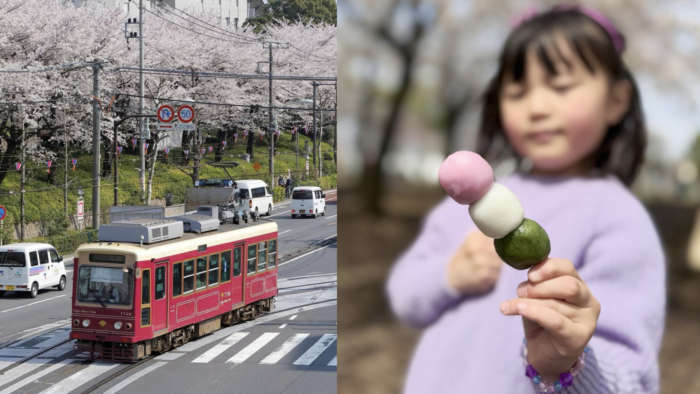
Japan’s cherry blossom forecast has been announced! 🌸 Reservations for my cooking classes are filling up, and only a few spots remain.
If you’re planning to visit Japan during cherry blossom season, I’d be delighted to have you join my class. For classes, please check our class calendar! I look forward to welcoming you!
19th – Choyo no Sekku (Chrysanthemum Festival) : Kiku-zake, Kikuka-cha, Kiku-monaka *Sept.9 on Lunar Calendar Undokai, Sports Festival : Bento Ensoku, School Excursion : Bento
15th – Shichi-go-san(Festive Day for Children) : Osekihan, Chitose-ame, Tai no Shio-yaki
13th – Toshikoshi (Crossing over to a New Year) Around 22nd or 23rd – Toji (Winter Solstice) : Azuki-gayu, Pumpkin 31st – Omisoka (Last day of the year) : Toshikoshi soba
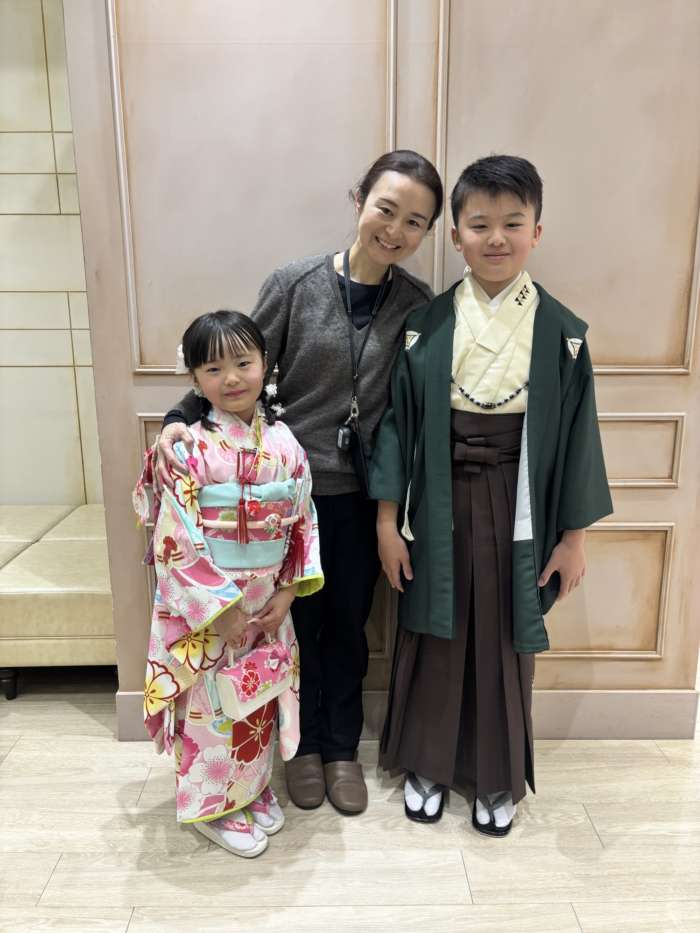
Shichi-Go-San (七五三) is a traditional Japanese celebration that honors children’s growth and prays for their future health and happiness.
It is typically observed around November 15 and is celebrated for children at the ages of three, five, and seven, which are considered important milestones in their development. At age three, both boys and girls celebrate the beginning of growing their hair (“kamioki”). At age five, boys traditionally wear hakama for the first time (“hakamagi”). At age seven, girls begin wearing a traditional obi sash with their kimono (“obitoki”).
The custom originated in times when childhood survival rates were low, so reaching these ages was a significant achievement. Families would give thanks for the child’s healthy growth and pray for continued well-being. Today, it is common for families to visit a shrine, such as Meiji Shrine in Tokyo, to offer prayers for their children.
On this day, children often wear traditional Japanese clothing—kimono for girls and haori and hakama for boys—although modern outfits like dresses and suits have also become popular. A special treat called “chitose ame,” meaning “thousand-year candy,” is also given, symbolizing a wish for long life. Overall, Shichi-Go-San remains an important cultural event in Japan, bringing families together to celebrate and appreciate a child’s growth.
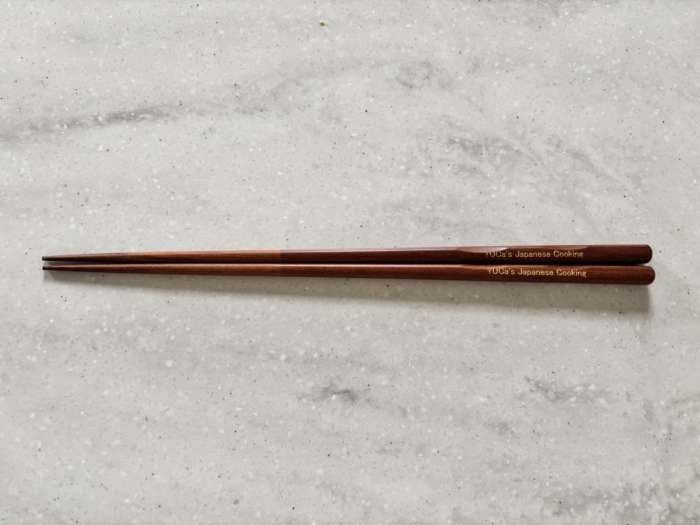
Saibashi (菜箸) are long chopsticks used in Japanese cooking. They are longer than regular chopsticks used for eating, typically measuring about 30–40 cm (12–16 inches) in length. Their length helps keep your hands away from hot oil or boiling pots, allowing you to handle food safely while cooking. There are several cultural reasons why Japanese people use cooking chopsticks, closely connected to Japan’s food culture and cooking methods. First, Japan has a long tradition of eating with chopsticks, and naturally this utensil became useful in the kitchen as well. Japanese cuisine often emphasizes handling ingredients delicately and cooking them carefully without breaking their shape.