Japanese Home Cooking Class in Tokyo. YUCa's Food & Lifestyle Media from Japan

Trip adviser Google map instagran youtube

In-person Class Schedule

  • Yuka's Japanese Cooking
    2-34-8, Nishiogu116-0011
    Mar 25(Wed) 10:00-12:30

    Ramen & Gyoza

  • Yuka's Japanese Cooking
    2-34-8, Nishiogu116-0011
    Apr 2(Thu) 10:00-12:30

    Okonomiyaki & Gyoza

  • Yuka's Japanese Cooking
    2-34-8, Nishiogu116-0011
    Apr 8(Wed) 10:00-12:30

    Ramen & Gyoza

  • Yuka's Japanese Cooking
    2-34-8, Nishiogu116-0011
    Apr 9(Thu) 10:00-12:30

    Ramen & Gyoza

  • Yuka's Japanese Cooking
    2-34-8, Nishiogu116-0011
    Apr 10(Fri) 10:00-12:30

    Ramen & Gyoza

  • Yuka's Japanese Cooking
    2-34-8, Nishiogu116-0011
    Apr 12(Sun) 10:00-12:30

    Ramen & Gyoza

See all

Toshikoshi Soba

Categorised in: | Link of this article

Toshikoshi Soba, or year-end buckwheat noodles, is a dish eaten annually on New Year’s Eve in Japan. This tasty tradition carries great significance and symbolizes the crossing over from one year to the next.

The custom of eating soba on New Year’s Eve is said to have started in the Edo Period (1603-1868). There are many theories behind the origins of this custom. One suggests that since buckwheat noodles are easier to cut than thicker varieties, it represents the cutting away of any bad luck built up over the course of the year.

Other beliefs point out how soba is healthy, so eating it is a great way to wish for good health in the new year. Since soba noodles are also long and thin, the noodles symbolize long life. Thus, it’s customary to eat them with the hope for longevity.

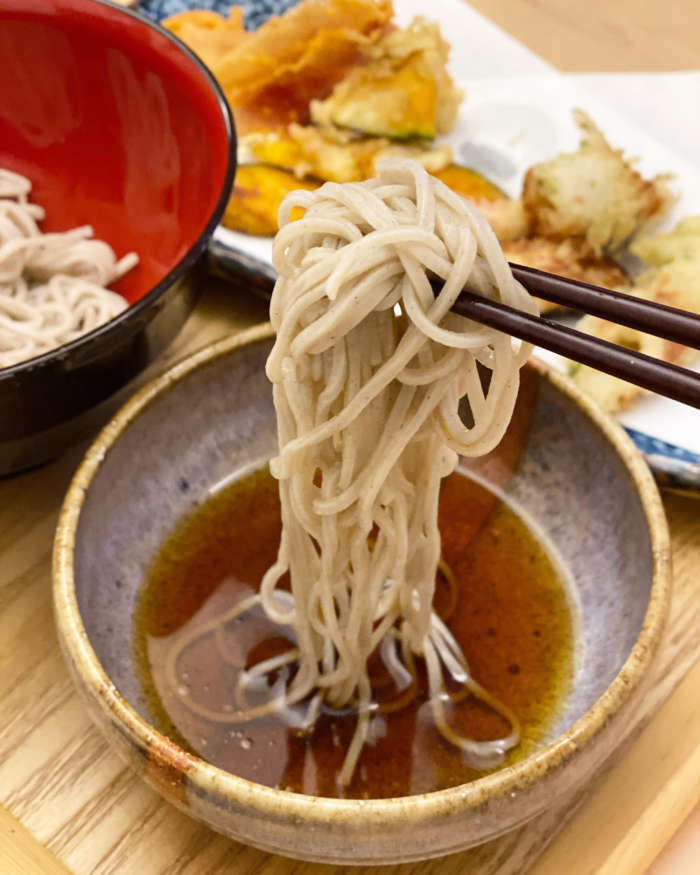
This time, I made a tempura soba. Since my kids are not a fan of fried shrimp at the moment, so I fried chikuwa (fish cake), Kanikama (fake crab meat), pumpkin aside with spring roll with ham and cheese. My family ate all of it. Yummy!

My family love dipping style soba. How about you?
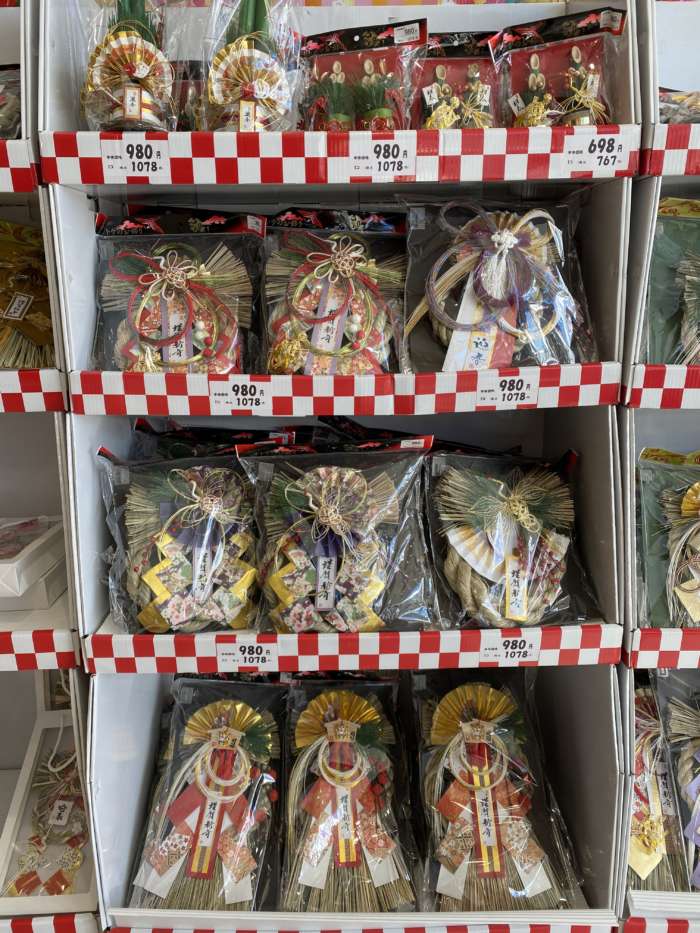
Shime-kazari (Special decoration for Japanese New Year’s)

Categorised in: | Link of this article


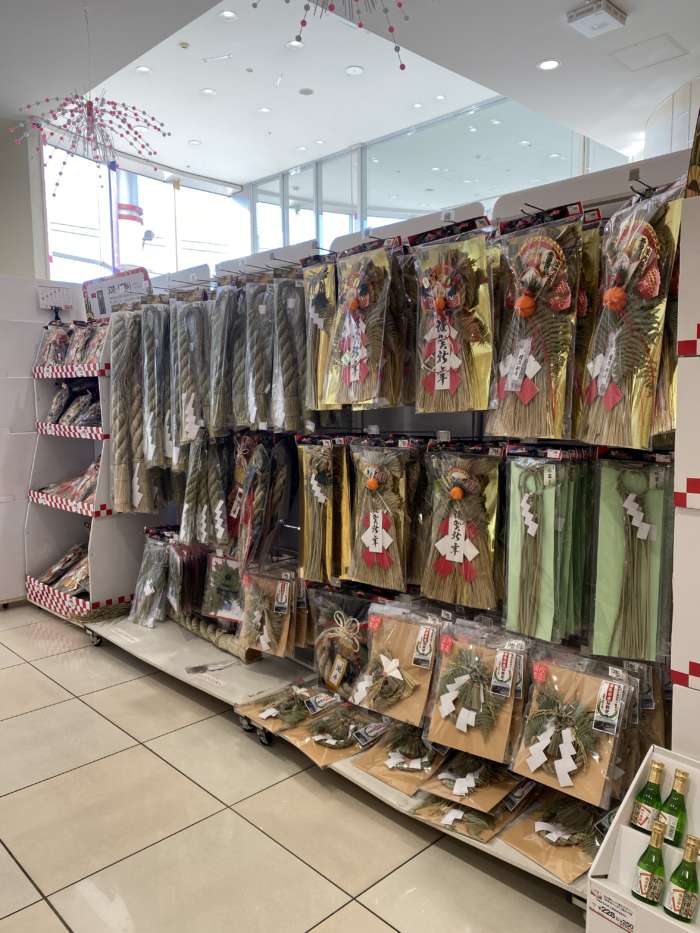
A shimenawa is a rope used to mark the boundary between this world and the next at shrines and other sacred places where gods are worshipped.

A shimenawa with lucky charms and other decorations attached to it is called a shime-Kazari. This is also a part of the Shogatsu event, which means that the house with the shime-kazari is ready to welcome the god of the year and is a sacred place.


The presence of the shimekazari makes the place safe and pure for the gods of the year to come down with peace of mind.

Originally, shime-kazari was usually made of rice straw to wish for a good harvest, but recently, more and more traditional shime-kazari are being arranged.

Japanese Set Meal Idea : vol.242

Categorised in: | Link of this article


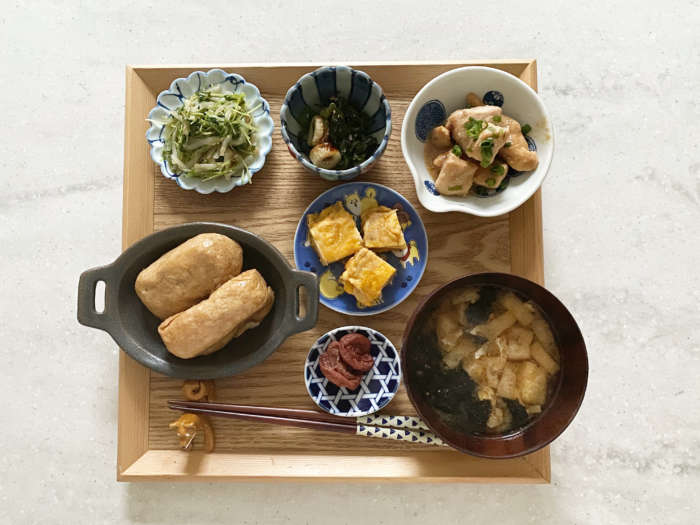
Menu:
– Inarizushi (Inari Sushi) [Recipe]
– Miso soup with fried tofu and Nori seaweed [Recipe]
– Grilled chicken with miso sauce
– Japanese omelette [Recipe]
– Stir-fry young bean sprouts and bean sprouts
– Simmered chikuwa and green pepper
– Pickled plum

Item :
– Seikou Kiln Shiba Inu Kutani Sauce Plate
– Ihoshiro Kiln Animal Series Mino Ware Chopstick Rest

Radio Interview For “Living In Japan” (NHK World Japan)

Categorised in: | Link of this article

I have an announcement to make this time.
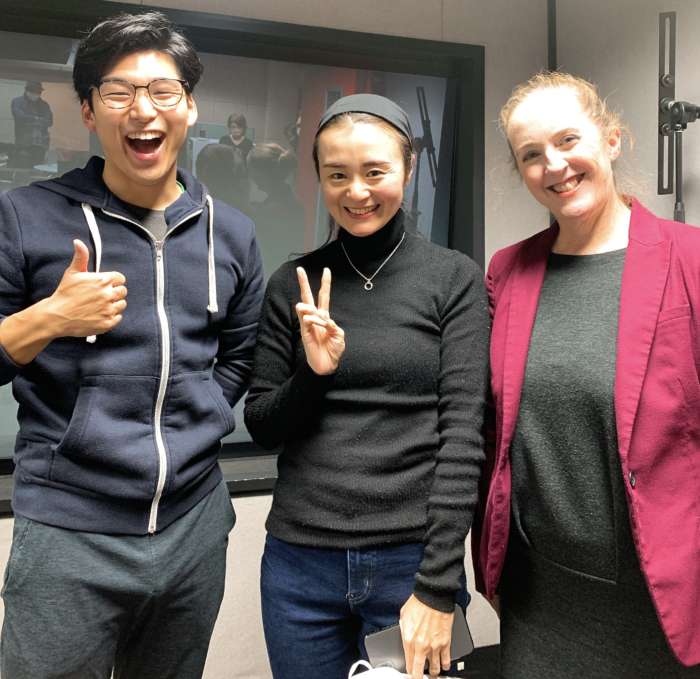
That is, I was interviewed by NHK WORLD JAPAN for their radio program “Living in Japan” and went to the studio to participate in the recording!!!


“Living in Japan” is a program that provides hints and tips for foreigners who are living or planning to live in Japan, as well as for those who are interested in Japanese culture.

– Radio Webside
https://www3.nhk.or.jp/nhkworld/en/livinginjapan_pr/

– My InterviewRadio: Jan 2nd 2022 On air
https://www3.nhk.or.jp/nhkworld/en/radio/livinginjapan/202201020600/

In the recording, I talked about topics such as “How to start cooking Japanese food” and “Easy & Delicious dishes to cook during this season” etc. Since it was a radio program, my favorite song and its episode will also be introduced in the program.

It was my first time to record a radio show, but the MCs Kevin (YouTuber&Influencer) & Ruth (Company Consultant CEO) created a fun atmosphere, so I was able to enjoy the show and finish it.

The episode I was interviewed in will be aired on January 2, 2022 (SUN) at 1:10 pm Japan time. The program will be broadcast on the NHK World’s Free App, Radio, and Website and archived on On Demand, so don’t worry if you missed it!
https://www3.nhk.or.jp/nhkworld/en/radio/livinginjapan/

I’m also very excited to see how the show turns out.❤️

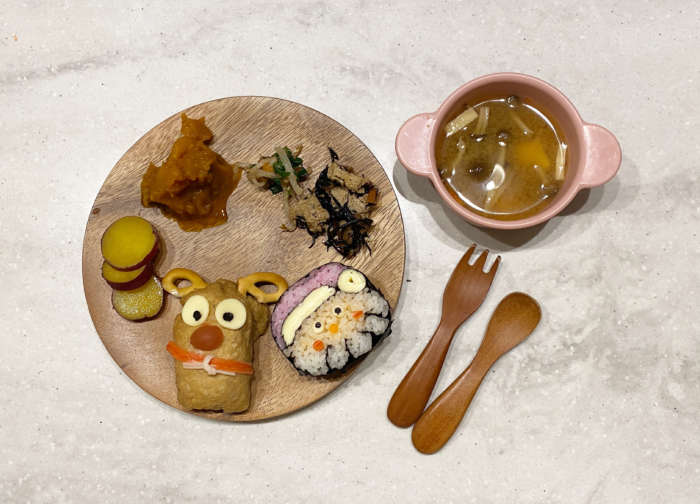
Kid-Friendly Japanese Food: vol.60

Categorised in: | Link of this article


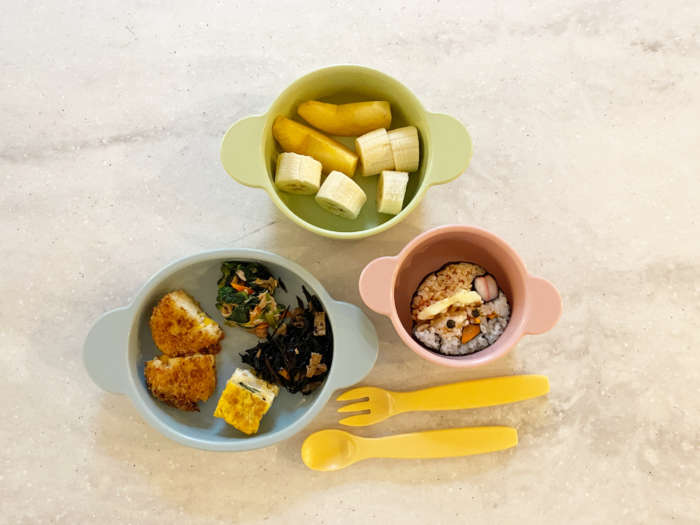
Menu:
– Santa sushi roll [Recipe]
– Reindeer Inarizushi [Recipe]
– Miso soup with mushroom and fried tofu [Recipe]
– Sweet potato with honey and lemon
– Hijiki seaweed with carrot and fried tofu [Recipe]
– Sesame salad with spinach, sprouts and carrot
– Simmered pumpkin

Item:
– Baby Food Plates (Combi)

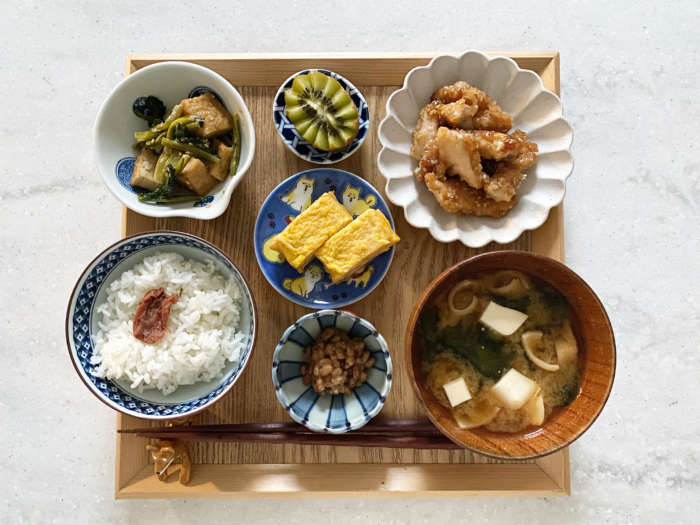
Japanese Set Meal Idea : vol.241

Categorised in: | Link of this article

Menu:
– Japanese rice with pickled plum
– Miso soup with tofu, fried tofu and wakame [Recipe]
– Teriyaki flavor fried chicken
– Stir-fry tofu and Komatsuna
– Japanese omelette [Recipe]
– Natto with yukari
– Kiwi

Item :
Seikou Kiln Shiba Inu Kutani Sauce Plate
– Ihoshiro Kiln Animal Series Mino Ware Chopstick Rest

Nama Yatsuhashi

Categorised in: | Link of this article

In this recipe video, I will introduce how to make Nama Yatsuhashi. Nama Yatsuhashi is a Japanese sweets from Kyoto. This is also a gluten-free vegan Japanese sweets. A thin skinned glutinous mochi called gyuhi is sprinkled with cinnamon and soybean powder and filled with red bean paste gives it a unique flavor.

Read More

Display mode

In-person Class Schedule

See all