Kid-Friendly Japanese Food: vol.87

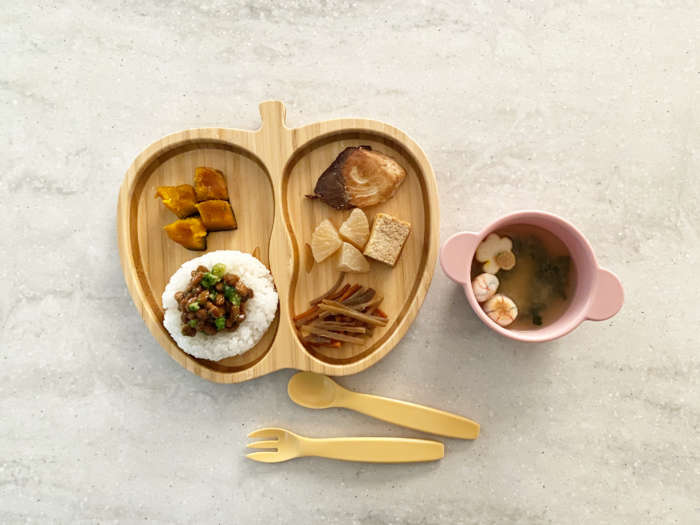
Menu:
– Rice topped with Natto
– Miso soup with wakame and ofu
– Simmered yellowtail and radish
– Simmered pumpkin
– Kinpira gobo [Recipe]



Menu:
– Rice topped with Natto
– Miso soup with wakame and ofu
– Simmered yellowtail and radish
– Simmered pumpkin
– Kinpira gobo [Recipe]
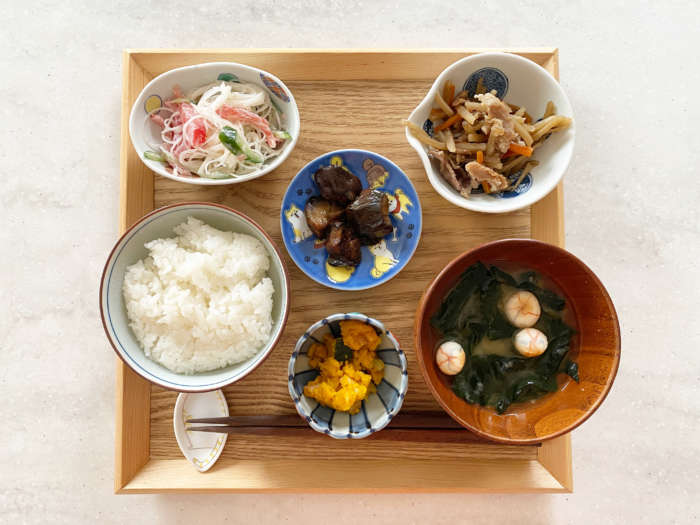
Menu:
– Japanese rice [Recipe]
– Miso soup with wakame and fu [Recipe]
– Simmered pumpkin [Recipe]
– Kinpira gobo with pork [Recipe]
– Eggplant stir-fry with miso
– Harusame salad
Japanese soup curry (スープカレー) originated in Hokkaido, Japan, where it was influenced by Thai and other Asian cuisines. It is a refreshing dish even in summer, but it is also popular as a warming dish during the cold winter months. It is also an attractive dish for those who want to store plenty of nutrients with the power of spices and vegetables, and can be freely arranged by adding seafood, tofu, mushrooms, and other ingredients.
Read More
As the seasons change from spring to summer, people put away their warmer clothing and take out their lighter, thinner clothing. Some families even use different furniture and household utensils.

Although things have changed considerably from the days when kimonos were worn every day, the custom of changing clothes according to the season still continues.
Schools and workplaces with uniforms also have the custom of changing clothes. Jackets are removed, tops are changed from long-sleeved to short-sleeved, and bottoms are made of light, breathable fabrics such as linen. Also, depending on the industry, many workplaces are encouraging employees to wear no-ties or casual clothes to work only during this time of the year.
In very olden days, it was the custom at the royal court to change into summer attire on April 1 of the lunar calendar and back into winter on October 1. In later years, the Shogun issued precise regulations regarding dress to all samurai and ladies of the court. Commomn people as well were bound by the regulations.
During the Meiji period, the government established official dates for the seasonal change of clothing. To this day, it is still general practive to change from winter to summer clothes on June 1 and back to winter on October 1.
Seasonal Changes in the House
Memo:
Are you interested in more about Japanese culture & events? Check here!
Oranges are rich in vitamin C, antioxidants, and skin benefits. You may have trouble storing them when they can’t fit in the refrigerator or when you can’t finish eating them. In such cases, I recommend wrapping oranges in newspaper and storing them at room temperature in a cool, well-ventilated, dark place. 1 to 2 weeks will keep them tasty without drying out. Just don’t forget to refrigerate them before eating!
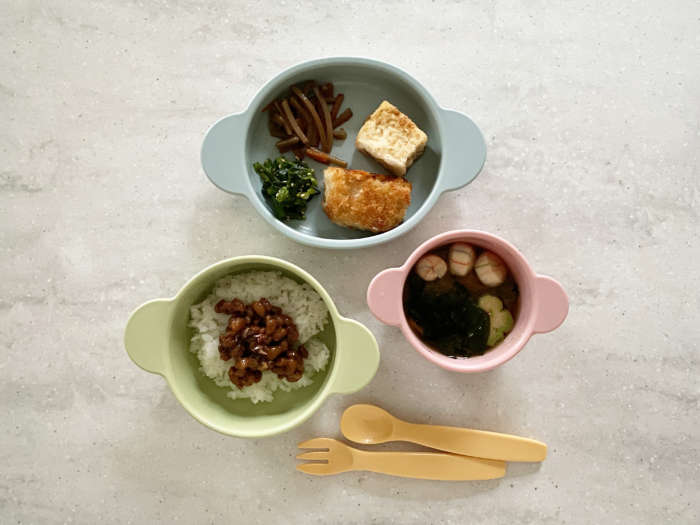 Menu:
Menu:
– Rice topped with Natto
– Miso soup with wakame and ofu [Recipe]
– Tofu steak [Recipe]
– Fried cod fish
– Sesame salad with spinach [Recipe]
– Kimpira gobo [Recipe]
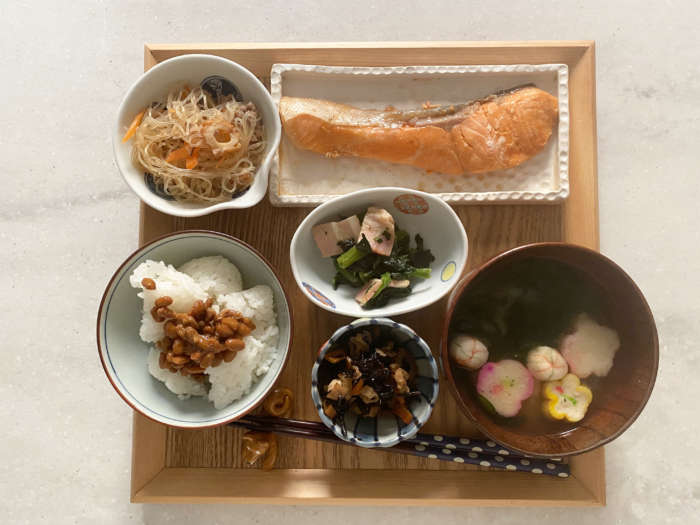
Menu:
– Japanese rice topped with Natto [Recipe]
– Miso soup with wakame and ofu [Recipe]
– Grilled salmon
– Stir-fry spinach and bacon
– Simmered Hijiki seaweed [Recipe]
– Glass noodle salad
Umami is the fifth category of taste and is not as commonly known as the other four (sweet, salty, sour and bitter).
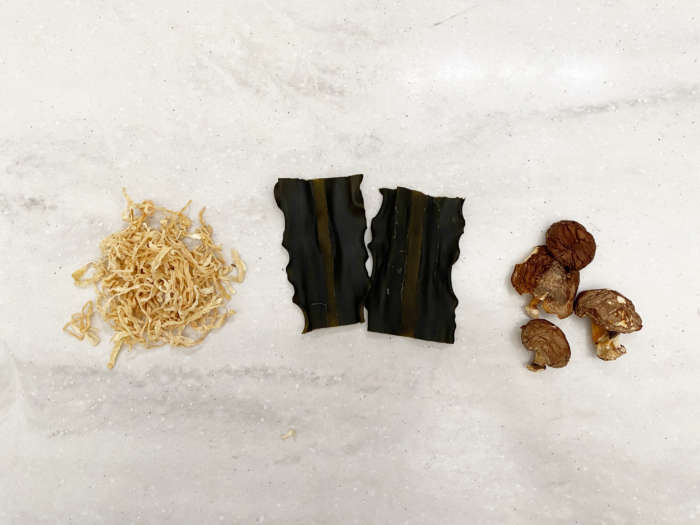
Umami is a concept with which all Japanese people are familiar – the Japanese palate easily recognizes its rich mouth-feel. The Kanji characters for umami translate as “delicious flavor” (旨味). When something taste good, it is often said to be Oishii (美味しい), but it can also be called Umai (旨い), and shares the Japanese character for umami.
Umami can be described as savory; it is full, rich, and round on the palate. It naturally exists in many foods including Parmesan cheese, meat, mushrooms, seaweed and tomatoes.
In 1908, Professor Kikunae Ikeda identified umami while sampling his wife’s is tofu simmered in a kelp broth and later isolated glutamate, inosinate, and guanylate, the naturally occurring amino acids and nucleotides that are the common components in umami-rich foods. Professor Ikeda also developed the flavor enhancer monosodium glutamate.
Many Japanese ingredients are rich in natural umami, including some of the main players in the Japanese pantry; soy sauce, mirin, miso and sake. Food is richer in Umami when fried that when fresh: shiitake, scallops, and daikon, for example.
* Reference of this article : Food Sake Tokyo (The Terroir Guides)
Chives are an effective vegetable for nourishing and relieving fatigue. It also contains vitamin E, which helps prevent lifestyle-related diseases and antioxidants, so it is an ingredient that should be included in your daily diet as much as possible. Because of its unique flavor, it is best to use it up quickly, but if you cannot use it up, it is recommended to wash it well before refrigerating or freezing it.
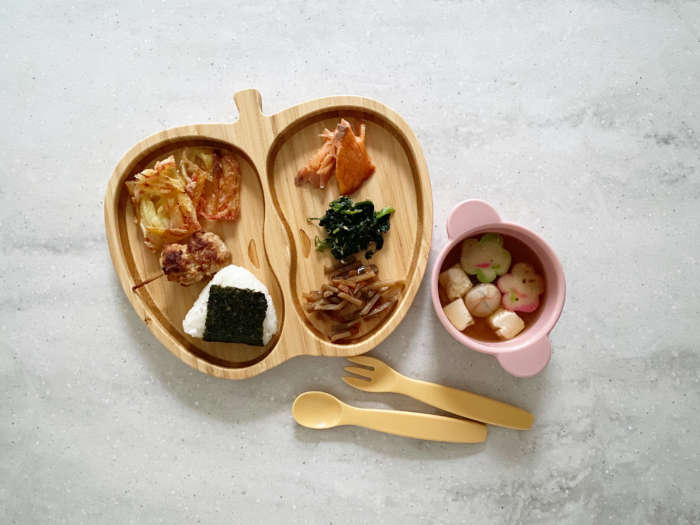
Menu:
– Salted onigiri [Recipe]
– Miso soup with ofu and tofu [Recipe]
– Chicken meat ball
– Kinpira gobo [Recipe]
– Sesame salad with spinach [Recipe]
– Grilled salmon
– Fried potato and fake crab meat