Kid-Friendly Japanese Food: vol.79

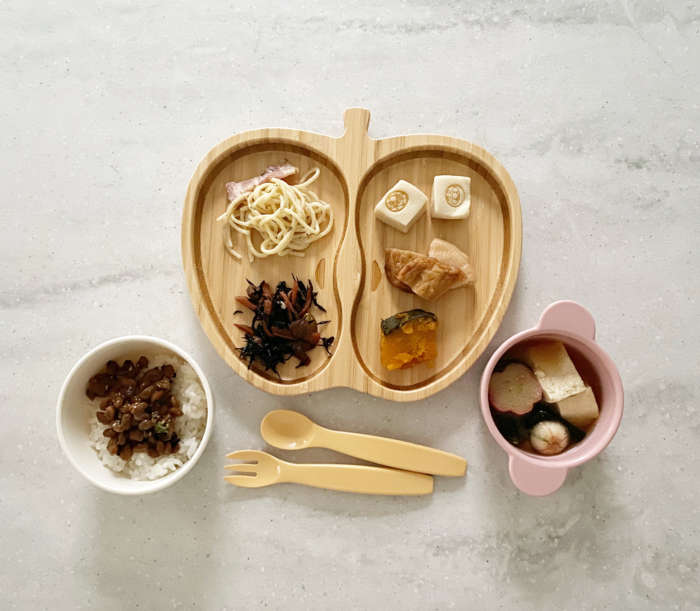
Menu:
– Rice with Natto
– Miso soup with wheat gluten, tofu and wakame [Recipe]
– Simmered Pumpkin [Recipe]
– Oden
– Koya tofu
– Simmered Hijiki seaweed [Recipe]
– Salad spaghetti


Menu:
– Rice with Natto
– Miso soup with wheat gluten, tofu and wakame [Recipe]
– Simmered Pumpkin [Recipe]
– Oden
– Koya tofu
– Simmered Hijiki seaweed [Recipe]
– Salad spaghetti
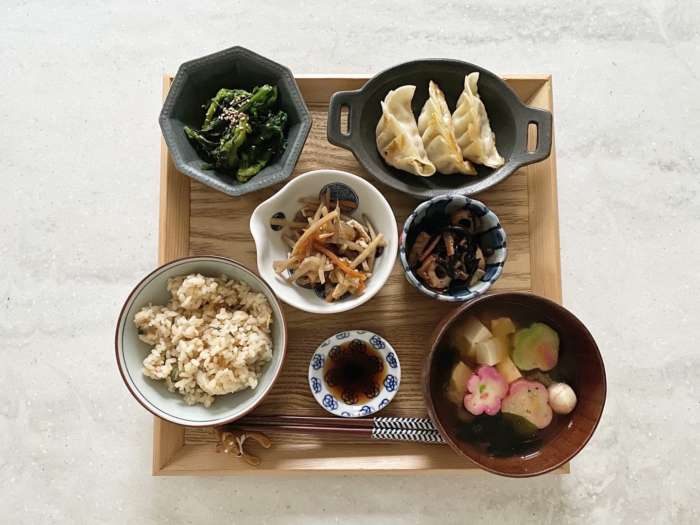
Menu:
– Mixed rice with asari
– Miso soup with Fu, tofu and wakame [Recipe]
– Vegan gyoza [Recipe]
– Kimpira gobo [Recipe]
– Boiled rape blossoms with spicy sauce
– Simmered hijiki seaweed [Recipe]
In Japan, school lunches are provided at some kindergartens and almost all nursery schools, elementary schools, and junior high schools.
Both my daughter, who currently attends nursery school, and my son, who attends elementary school, receive school lunches every day.
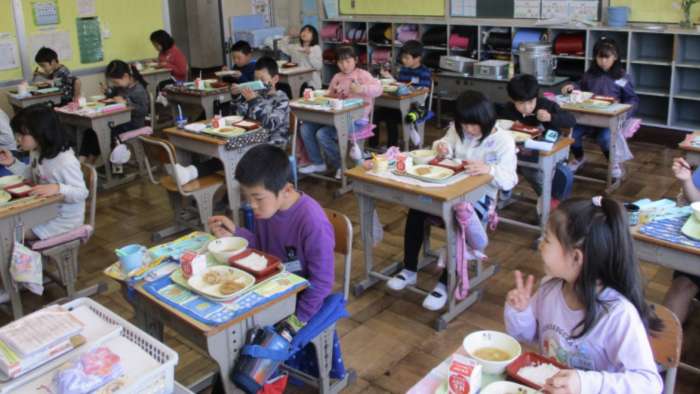
At my son’s kindergarten, he brought his own spoon & fork and chopsticks, but at my daughter’s nursery school and my son’s elementary school prepare for them. In my son’s case, he now brings his own luncheon mat every day. In addition to this, during the week when he is on school lunch duty, he brings a laundered apron, a triangular hood and a mask every day.
A Japanese school lunch consists of milk, soup, carbohydrate (rice, noodles, bread), main dish, side dish, and fruit.
 School lunch menus are prepared by a dietitian, taking into consideration event meals and seasonal ingredients. The menus are then distributed to all students approximately two weeks in advance. The menu list at my son’s elementary school includes a note for each day, which includes information about the producer, ingredients, and trivia about the menu.
At the daycare center where I worked, we also had a 10:00 a.m. snack, so four to five people started cooking at 8:00 a.m. and made snacks & school lunches for about 200 students in less than three hours.
Some of the children needed to eliminate certain foods due to allergies or religious reasons, so I prepared separate school lunches with different cooking methods and ingredients for a few of them. And every day, without fail, the principal tasted and checked the food.
At lunch time, the students would turn their desks around and divide into several groups. (Currently at Corona Disaster, everyone seems to eat facing forward.)
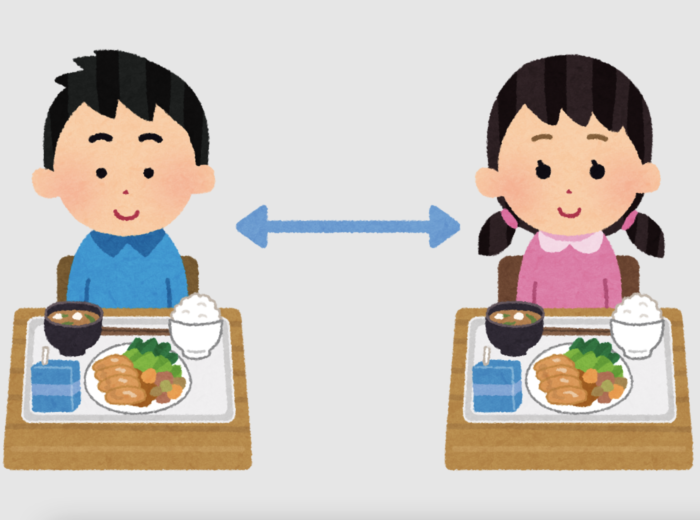
Students on lunch duty serve the food assigned to them. Students who are not on lunch duty line up in single file and place one dish on each of their trays.
 When lunch duty is over and everyone is seated, they greet each other with “Itadakimasu!” and begin to eat their lunch in unison. The teacher joins the students and eats with them. If there is leftover food, the children who want to eat it play rock-paper-scissors to get it. When they are done eating, the lunch duty person takes the dishes and leftovers to a designated area. After lunch and after school, the whole class cleans up the classroom. This sequence of events is what I consider “Japanese school lunch”.
How to book the class?
1. Go to Class Schedule page and check if the class date is open.
2. Click on your desired dates and select your class (if any classes are available).
3. Fill out and submit the request form at the bottom of the page.
4. We will send a reply with the link for the payment. (If you do not receive a reply from us within two days, please resubmit your request again.)
5. You will receive a booking confirmation mail after payment is completed.
*If you want to try other class, go to All Classes page and fill the form to send your request to us.
*If you are a large group (more than 8 guests), please contact us from here.
Cancellation policy :
– 1 week prior to the booked date : full refund
– 6 days to 3 days prior to the booked date : 50% refund
– 2 days prior to the booked date : no refund
– No show : no refund
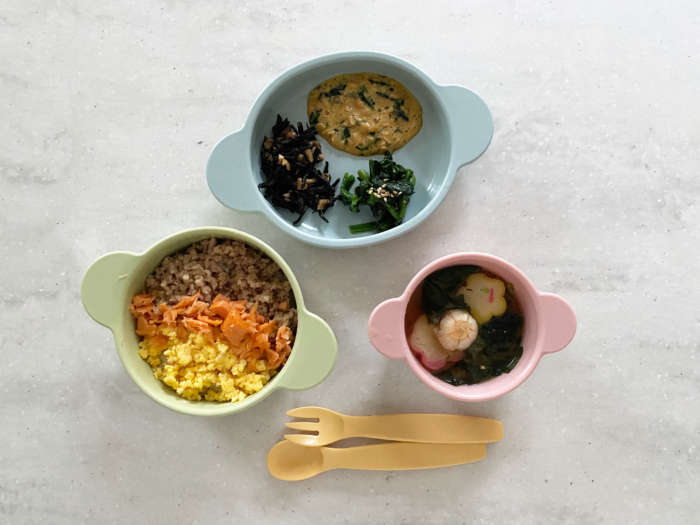
Menu:
– Soboro Donburi [Recipe]
– Miso soup with wheat gluten, tofu and wakame [Recipe]
– Boiled spinach with Nori seaweed
– Simmered Hijiki seaweed [Recipe]
– Natto with egg yolk and spinach
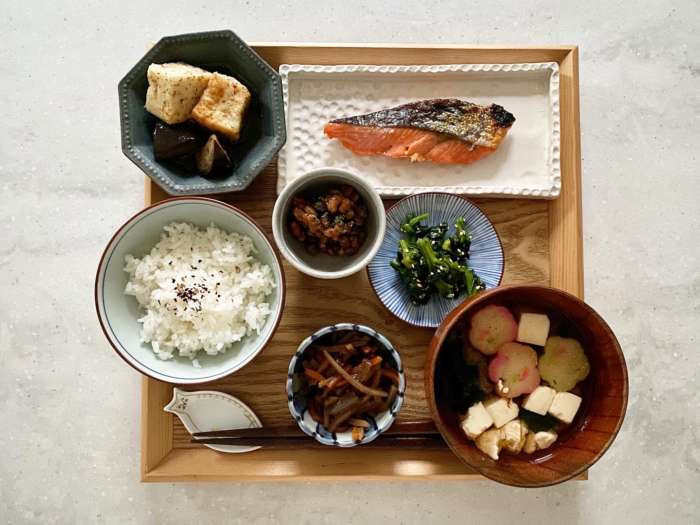
Menu:
– Rice [Recipe]
– Miso soup with Fu, tofu and wakame [Recipe]
– Grilled salmon
– Kimpira gobo [Recipe]
– Natto
– Boiled rape blossoms with spicy sauce
– Simmered deep-fried tofu and eggplant
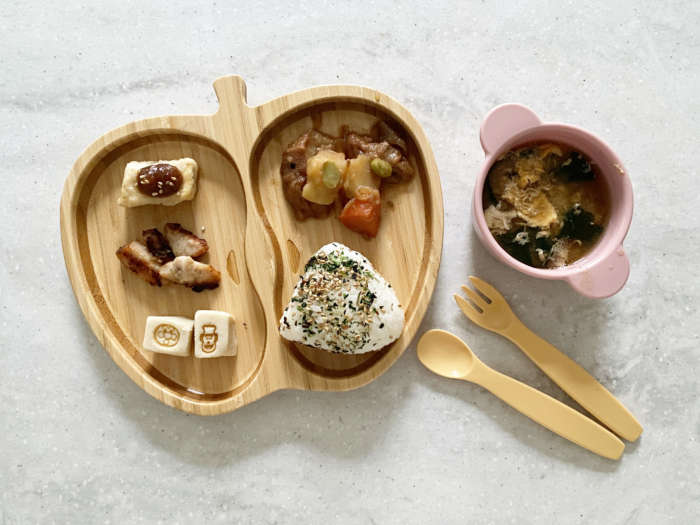
Menu:
– Onigiri [Recipe]
– Vegan Nikujaga [Recipe]
– Miso soup with egg and wakame seaweed
– Simmered Koya tofu
– Grilled Chicken with Shio Koji and aosa seaweed
– Tofu steak with yuzu miso sauce
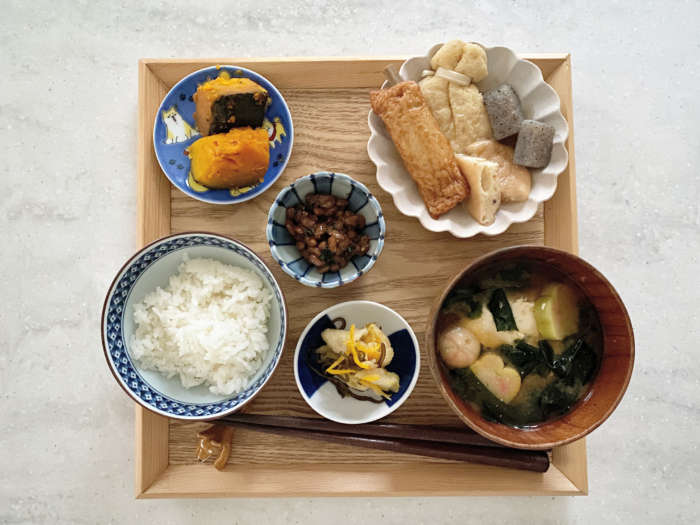
Menu:
– Rice [Recipe]
– Miso soup with Fu, tofu and wakame [Recipe]
– Oden
– Simmered pumpkin [Recipe]
– Natto
– Pickled Chinese cabbage, kelp and yuzu
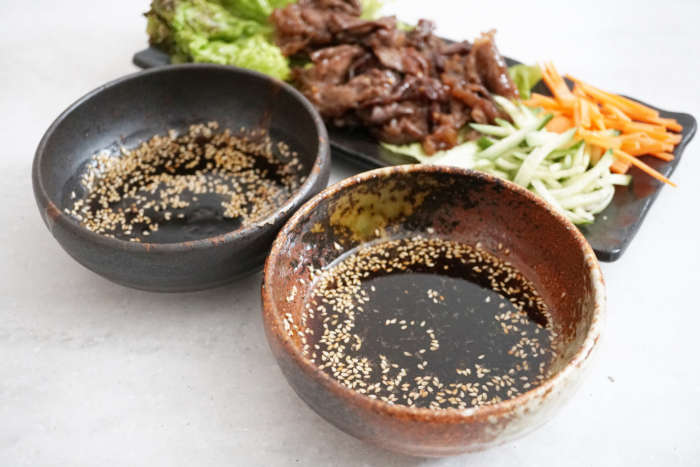
In this recipe video, I will show you how to make Japanese BBQ Sauce (Yakiniku no Tare). Japanese BBQ sauce has rich and unique taste from essential Japanese seasonings like soy sauce, sake, mirin and rice vinegar. This is easy and simple recipe so please take a look this tutorial and try it out!
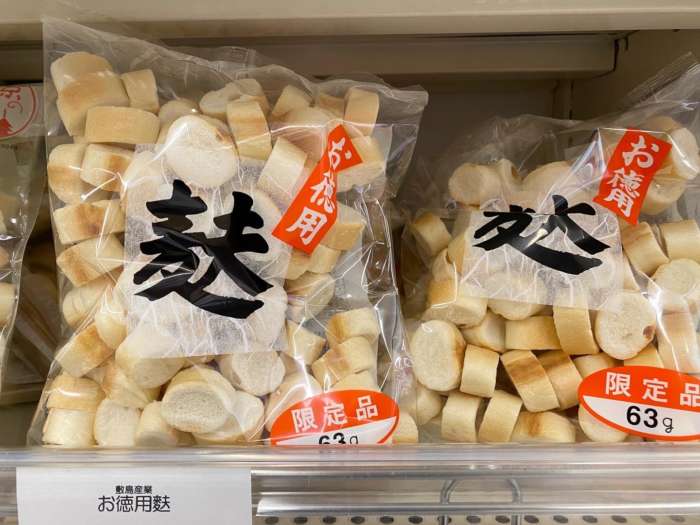
Fu (麸) is a processed food made mainly from gluten. Gluten is produced by kneading wheat flour with water. Since there is still some starch left after just kneading the flour, it is put in a cloth bag and rubbed in water, and the gluten left in the bag is used for fu.
History of fu:
It is said that the production method of fu was introduced by Zen monks who came from Ming Dynasty China in the early Muromachi Period (1336-1573). Fu, along with tofu, was an ingredient to supplement protein, which was often lacking in vegetarian cuisine at that time.
In those days, the number of domestic wheat crops was small and wheat was expensive, so fu was a food for special occasions at court and temples. For this reason, the culture of fu developed in Kyoto, where temples and shrines and the Imperial Palace are located.
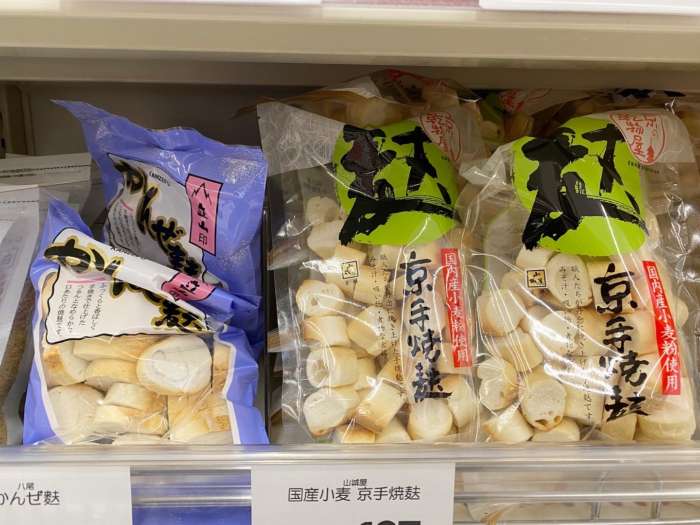
In the Momoyama period (1573-1600), a confection called “Funoyaki” appeared in documents. It is written in the “Chakai-ki” that “Funoyaki” often appeared as a rare sweet at the “Tensho Tea Ceremony 100 Seats” held by Hideyoshi Toyotomi and Sen no Rikyu, and that Rikyu was fond of it. Even today, “funoyaki” is used as a tea confectionery, rolled up like a crepe or shaped like a rusk.