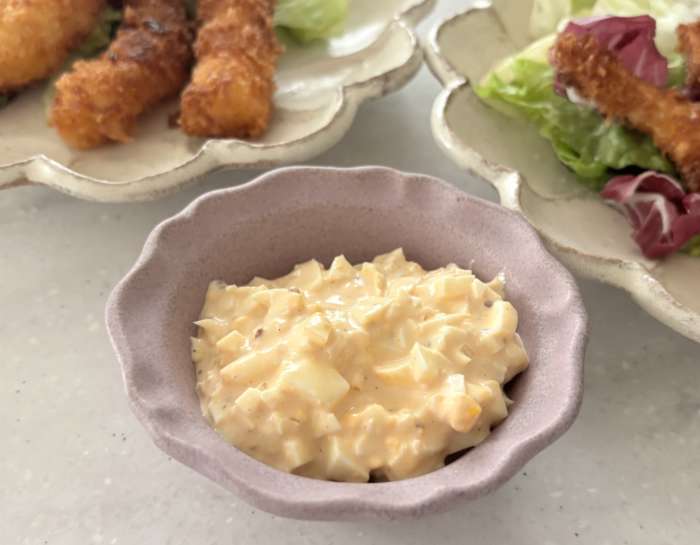
Japanese tartar sauce is slightly different from the typical Western version, as it incorporates Japanese ingredients. Its characteristics include the use of Japanese mayonnaise, onions, boiled eggs, and cucumbers instead of pickles. To add sweetness, sugar and soy sauce are often used. If acidity is needed, a small amount of lemon or rice vinegar may be added. Japanese tartar sauce is commonly used in home cooking and Western-style restaurants, providing a mild and rich flavor that complements dishes. It is often paired with simple fried foods and fish dishes.
The other day, we welcomed a very special guest to our Japanese cooking class in Tokyo.
He was a young boy who absolutely loves Japanese food — especially Japanese sweets. With shining eyes, he showed me a notebook filled from cover to cover with the names of Japanese snacks and desserts. Before coming to Japan, he had carefully researched them all and written them down himself, preparing for this trip with incredible dedication.
After our class, we stopped by a local supermarket. Notebook in hand, he made a beeline for the snack aisle. Checking each name one by one, he excitedly filled his basket with the sweets he had dreamed of trying. The determination and pure joy on his face were unforgettable.
Moments like this remind me why I love hosting a Japanese cooking class in Tokyo. Seeing a child so wholeheartedly passionate about Japanese food is truly inspiring.
His parents watched nearby — slightly amazed and perhaps a little overwhelmed — but smiling warmly at his enthusiasm.
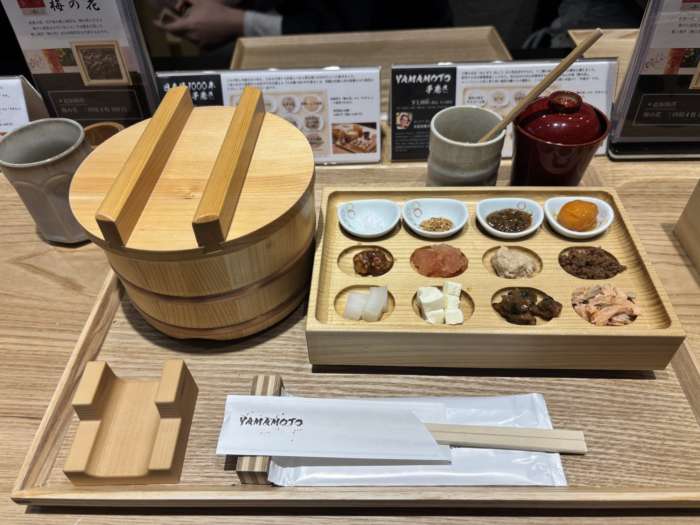
Where to Buy the Best Nori in Tokyo: Yamamoto Nori-ten (山本海苔店) in Nihonbashi
If you’re wondering where to buy high-quality nori in Tokyo, look no further than Yamamoto Nori-ten in Nihonbashi. Founded in 1849, this historic seaweed specialty store has been perfecting the art of nori for over 170 years — making it one of the most respected nori shops in Japan.
Located in Nihonbashi, a district known as the birthplace of commerce in Tokyo, the shop perfectly matches its surroundings: refined, traditional, and deeply connected to Japanese culture.
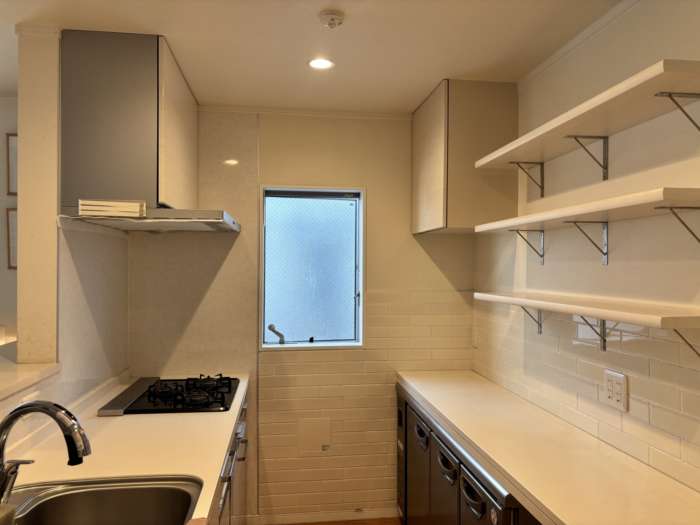
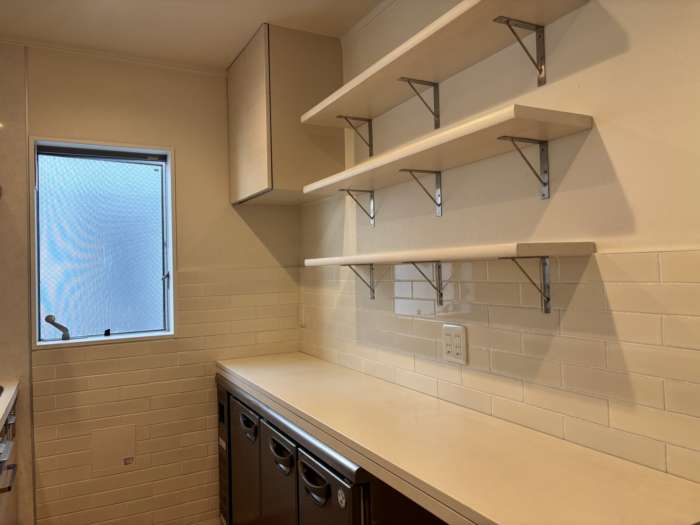
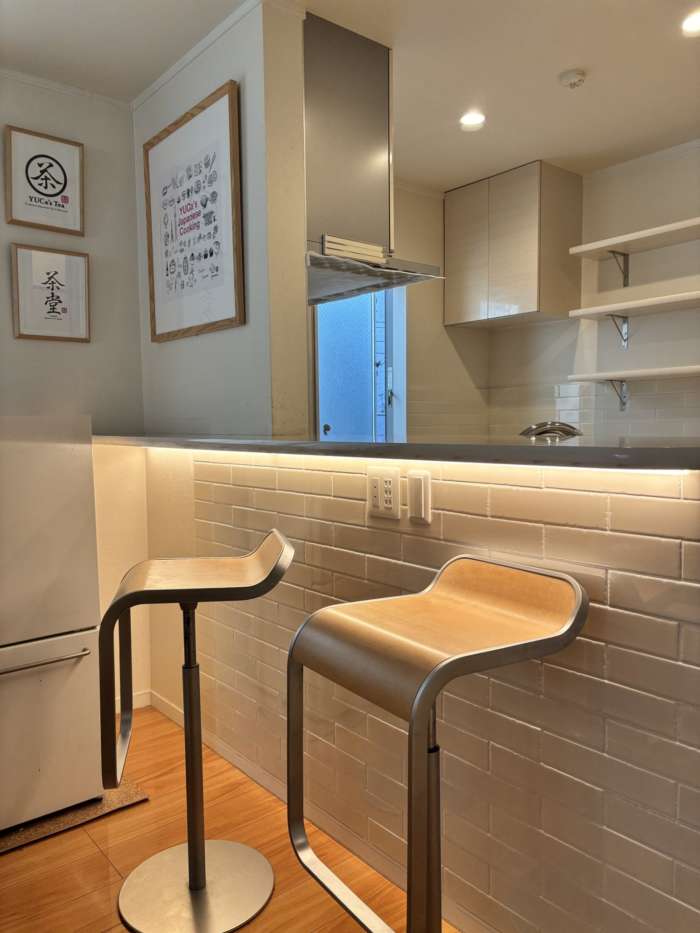
This time of year is usually a little quieter for my cooking classes. Taking advantage of this slower season, I decided to renovate my kitchen area. I added tiles to the walls of both the kitchen and the serving counter, where stains and small scratches had been bothering me for some time. The overall look hasn’t changed much, but it’s now much easier to clean. A long-held wish has finally come true, and I’m feeling refreshed and motivated in the kitchen once again.
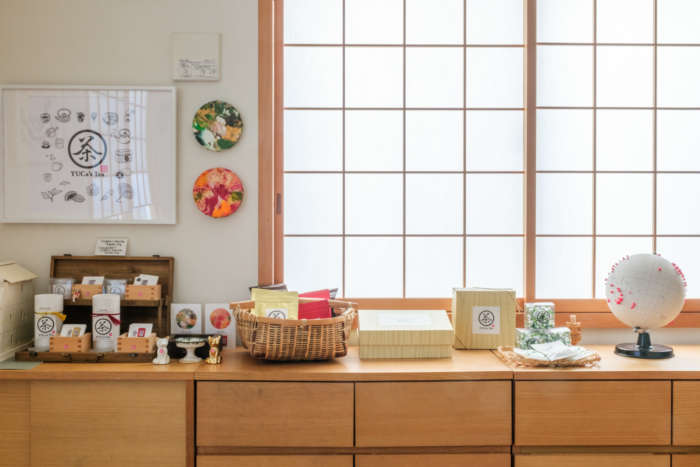
The wall cabinets and the three-tier display shelves were left as they were, and a craftsman carefully installed each tile by hand. Arakawa, where the kitchen studio is located, was once known for its brick-lined streets. With that history in mind, we incorporated a touch of it into the interior design. Being able to clean even under the refrigerator has left both the space and my mind feeling refreshed.
Under the kitchen counter, there were several areas where the wallpaper had peeled away, and it had been a spot that bothered me for many years. (Every time I looked at it, my heart sank a little, so I found myself pretending not to notice.) Even so, this is still a special place for me—my favorite spot where I continue to write this blog.
This time, we had tiles installed here as well. We added indirect lighting to create a cozy, café-like atmosphere, and my husband even designed the cable setup so that devices can be conveniently charged.
I’m looking forward to spending time in this space together with all of you!
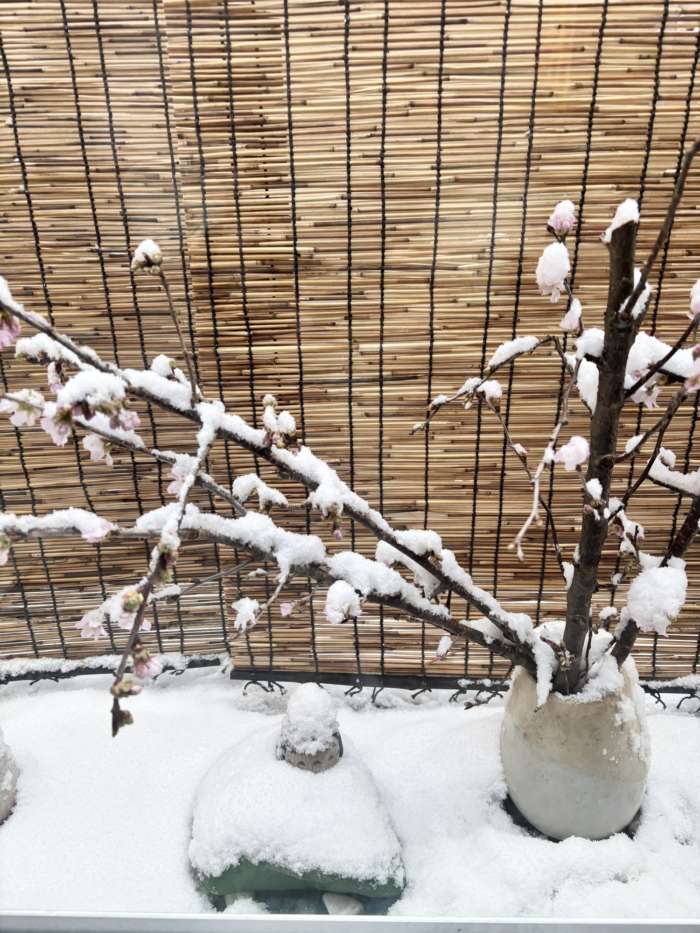
Tokyo covered in snow ❄️ A rare and magical winter moment in the city.
Before heading out, I paused at my cooking studio, looking out at the small garden outside the window — now gently covered in snow. The usually quiet mini garden felt even more still, wrapped in white.
This day was an important election day for Japan. I filmed this video on a snowy morning on my way to the polling station. The snow may have affected the turnout and the results.
Even so, I believe in doing what I can, first. Watching the snow settle softly over the garden reminded me that small, quiet actions still matter. That was the feeling I carried with me that morning.
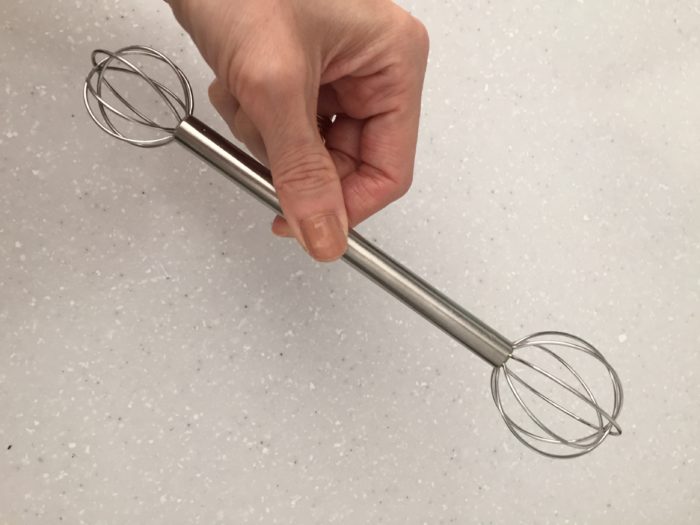
The miso muddler (味噌マドラー) is a thoughtfully designed Japanese kitchen tool made especially for preparing miso soup, a staple of everyday home cooking in Japan. Its rounded, spiral-shaped tip allows you to scoop up miso paste easily and dissolve it directly into hot dashi, helping the miso blend quickly and smoothly without clumps. Compared to using a ladle or chopsticks, it distributes flavor more evenly and saves time.
At first glance, many people are curious about how to use this unique tool, but once they try it, they’re often impressed by how simple and efficient it is. If you’ve ever found your kitchen counter crowded with utensils while cooking—especially when trying a new recipe—the miso muddler offers a smart, space-saving solution. Read More
It was wonderful to welcome returning guests from Hungary after a year. 🇭🇺 Seeing more repeat guests join my classes truly makes me happy.
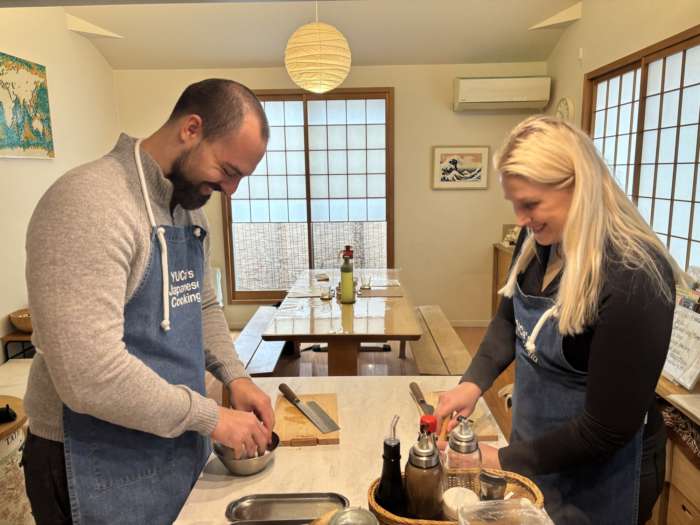
Last time, they joined the Ramen & Gyoza class, and this time they chose the Japanese home cooking class. We started with how to make dashi, then learned how to cook fluffy rice, miso soup, classic pickles, and several main and side dishes using both meat and fish.
They told me they’ll be back again next year — I’m already looking forward to seeing them again! ✨
Perfect For : – Travelers looking for unique Tokyo activities – Couples seeking a cultural date experience – Families with children – Foodies wanting authentic recipes – Anyone who loves Japanese cuisine
Book the BEST Japanese Cooking Class Today 🇯🇵
Make your trip to Japan unforgettable. Cook, eat, laugh, and experience authentic Japanese cuisine with us. We look forward to welcoming you to our kitchen! For booking, please check here!
It’s not about skill, but the focus and presence in the moment ✨
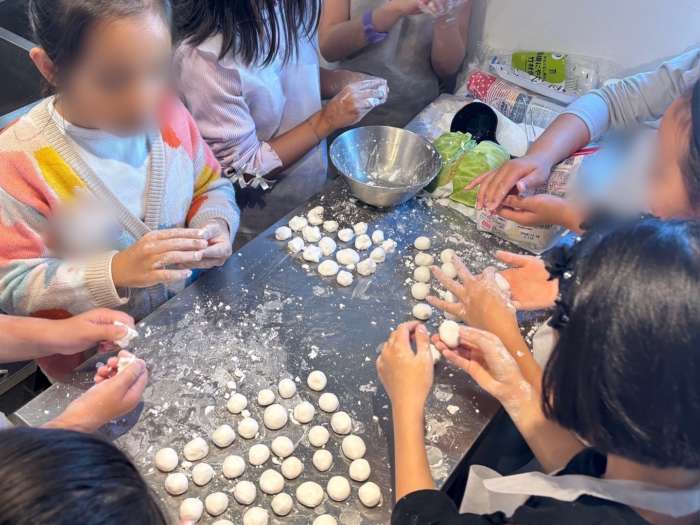
Recently, I hosted a pop-up cooking class at a birthday party with kids from all over the world 🎂 Arrived on site looking a bit like a traveling vendor. We cooked Okonomiyaki and Dango parfait together.
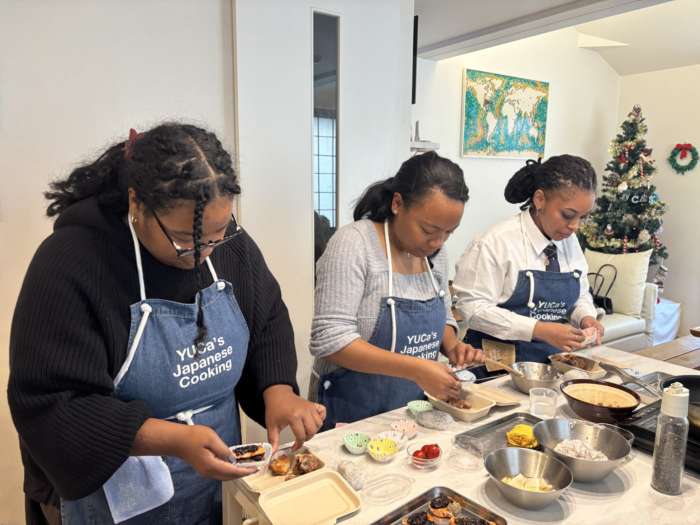
Guests who joined us before came back again, this time bringing their friend! Last time, they took our Ramen & Gyoza class, and this time they joined the Bento class 🍱 While catching up on each other’s recent stories, I was able to share deeper techniques of Japanese home cooking. It was such a wonderful time. Hope to see them again in the near future! ✨