Japanese Home Cooking Class in Tokyo. YUCa's Food & Lifestyle Media from Japan

Trip adviser Google map instagran youtube

Virtual Class Schedule

In-person Class Schedule

See all

Latest Posts

Introduction of YUCa

Categorised in: | Link of this article

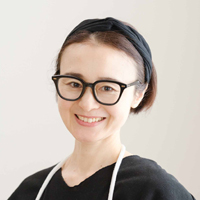
My husband created this piece for me. So, I’d like to take this opportunity to reintroduce myself! 

I’m #YUCa from #tokyo !
I’m a #japanesemom of two children two and #toypoodles .

I love introducing #japanesefood and #japaneseculture via my #foodblog , reading #audiobooks , Singing songs , Enjoying #japanesetea and #matcha with @yucastea , Writing Chinese calligraphy and creating new recipes .

As for profession, I hold…
#cookingclassjapan
#cookingclasstokyo
#japanesecookingclass
#外国人向け料理教室
#japanesehomecooking
for 12 years since 2013! ✨

If you are planning…
#thingstodoinjapan
#thingstodointokyo
#tokyotrip
#visittokyo

Please check…
#yucasjapanesecooking (#google search )
#airbnbexperience
#tripadvisorexperiences (#viator )

My popular classes are…
#ramenclass
#gyozaclass
#gyozaclasstokyo
#ramenclasstokyo

I’ve got the honor of…
#tripadvisorbestofthebest

Thank you for reading! ❤️
P.S. Huge thanks to @msstgm once again!

Tokyo Guide : Kyushu Jangara Ramen

Categorised in: | Link of this article

Craving creamy tonkotsu ramen? Try Kyushu Jangara—Tokyo’s beloved ramen with rich, yet mild pork broth, thin noodles, and amazing toppings like kakuni and mentaiko. A true taste of Kyushu in the heart of the city!

“Jangara Ramen” is a ramen chain based mainly in Tokyo, officially known as “Kyushu Jangara.” It was founded in 1984 in Harajuku, Tokyo, and has since become beloved for its original ramen inspired by pork bone (tonkotsu) ramen from the Kyushu region. Its signature feature is a rich and creamy, yet mild tonkotsu broth that is easy to enjoy even for those unfamiliar with this type of ramen. This approachable taste has made it especially popular among women and foreign tourists.

Read More

4 : What do people eat for dinner in Japan?

Categorised in: | Link of this article

In this series, I’ll be sharing questions that our customers have asked!

Q. What do people eat for dinner in Japan?

A. In Japan, dinner is typically a well-balanced meal, often consisting of a variety of dishes. The traditional style follows the “ichiju-sansai” (一汁三菜), which translates to “one soup and three sides.

  • Rice (Shoku) :
    The meal usually starts with white rice, which serves as the base of the dinner. Takikomi gohan, a seasoned rice with ingredients like vegetables, mushrooms, or seafood, is also commonly enjoyed, especially on special occasions.
  • Main Dish (Shusai) :
    A typical main dish could include grilled fish, such as salmon, mackerel (saba), or sardines (iwashi). The fish is often simply grilled with salt to highlight its natural flavors. Other popular options include teriyaki chicken, which is glazed with a sweet soy sauce, and tonkatsu, a breaded and deep-fried pork cutlet typically served with shredded cabbage and a tangy sauce.
  • Side Dishes (Kobachi):
    Side dishes are an essential part of Japanese dinners, often including:
    – Pickles (Tsukemono): A variety of pickled vegetables like cucumbers, radishes, or plums.
    – Kinpira gobo: A stir-fried dish made with burdock root and carrots, seasoned with soy sauce and mirin.
    – Cold tofu (Hiyayakko): Tofu served cold, topped with green onions, grated ginger, and soy sauce.
  • Soup (Shiru) :
    Miso soup is the most common soup, typically made with miso paste, tofu, and seaweed, sometimes adding seasonal vegetables. There are also lighter clear soups, which may contain vegetables or fish, providing a refreshing contrast to the other dishes.
  • Other Common Dishes :
    – Curry rice (Kare raisu): A comforting dish made of curry sauce served over rice with meat and vegetables. This dish is often enjoyed once a week in many households.
    – Sukiyaki or Shabu-shabu: These hot pot dishes, popular in colder months, involve thinly sliced beef or pork cooked at the table with vegetables in a flavorful broth.
  • Noodles :
    For variety, soba (buckwheat noodles) or udon (thick wheat noodles) are also common dinner items, typically served in a hot broth or stir-fried, especially during colder months.
  • Beverages :
    During dinner, green tea is the most common beverage, but people may also enjoy beer or sake with their meals, particularly for special occasions or when dining out.

Japanese dinners focus on fresh, seasonal ingredients and aim to create a balanced, satisfying meal that includes a variety of tastes and textures. The idea is not just to eat but to appreciate the harmony and thoughtfulness behind each dish.

Tokyo Guide : World’s richest matcha gelato at Suzukien

Categorised in: | Link of this article

Do you like matcha? Matcha is a vibrant green powdered tea made by finely grinding specially cultivated tea leaves called tencha using a stone mill. Since you consume the entire tea leaf, matcha is packed with umami flavor and rich in nutrients. 

In Japan, matcha is traditionally used in tea ceremonies, but nowadays there are many shops where you can easily enjoy it.

Located in Asakusa, Suzukien (壽々喜園) is a specialty tea shop where you can enjoy a wide variety of Japanese teas, as well as sweets and gelato made with tea.

One of their highlights is the “world’s richest” matcha gelato, which has become a hot topic among matcha lovers. Their signature “Matcha Gelato No.7” lets you choose from seven levels of matcha intensity — a must-try for any matcha fan.

Another popular option is the “Four Types of Matcha An Dango with Sencha,” featuring dumplings topped with matcha-flavored sweet bean pastes of varying richness, served with a fragrant cup of sencha. It’s the perfect spot to take a break while exploring Asakusa.

Be sure to give it a try!

Related video :

Location : 

Tokyo Guide : The Art of the RAMEN Bowl (Exhibition)

Categorised in: | Link of this article

Do you love ramen? Ever wanted to dive deeper into its world? If yes, this exhibition is for you! Currently on display at 21_21 DESIGN SIGHT in Roppongi, “The Art of the RAMEN Bowl” showcases the beauty and diversity of ramen bowls.

“21_21 DESIGN SIGHT” is a cultural facility located in Tokyo Midtown, Roppongi, dedicated to exploring the possibilities of design. Opened in 2007, the building was designed by architect Tadao Ando and features a distinctive roof structure that incorporates natural light, harmonizing beautifully with the surrounding greenery.

Ramen, alongside sushi, is one of the most beloved Japanese dishes around the world. This exhibition shines a spotlight on the ramen bowl—donburi—and explores and analyzes it from a design perspective, creating an atmosphere that can be enjoyed by people of all ages.

Read More

Candy Apple

Categorised in: | Link of this article

A candy apple is a sweet treat made by coating an apple with a layer of sugar or syrup. In Japan, it is a classic festival snack, often seen at food stalls during traditional events and fairs.

Characteristics of Candy Apples

1.Crunchy Candy Coating

When the sugar hardens, it creates a crispy texture, contrasting beautifully with the apple’s natural crunch.

2.Sweet and Tangy Apple Flavor

The sweetness of the candy coating balances perfectly with the apple’s natural tartness, offering a refreshing aftertaste.

3.Glossy and Eye-Catching Appearance

The shiny, red coating gives candy apples a vibrant and attractive look. Recently, variations with colorful coatings or decorative patterns have also emerged.

Read More

3 : What time do people eat dinner in Japan?

Categorised in: | Link of this article

In this series, I’ll be sharing questions that our customers have asked!

Q. What time do you eat dinner in Japan? 

A. In Japan, the typical dinner time generally falls between 6:00 p.m. and 8:00 p.m., though this can vary depending on individual household routines and work or school schedules.

For families with young children, dinner is often served earlier, around 6:00 or 6:30 p.m., to accommodate children’s earlier bedtimes. In contrast, in households where adults have longer working hours or commutes—particularly in urban areas—dinner may be served later, around 8:00 or even 9:00 p.m. 

Despite these variations, many Japanese families place importance on having dinner together when possible, as it serves as a valuable time for communication and family bonding at the end of the day.

Tokyo Guide : Harajuku

Categorised in: | Link of this article

Are you interested not only in Takeshita Street fashion but also in the gourmet food and sweets that Harajuku has to offer? The Harajuku area is known as a hub for youth culture and fashion. Takeshita Street, in particular, is lined with shops offering the latest fashion trends and unique items, attracting many young people.

The district is home to several popular tourist attractions, including Meiji Shrine, an oasis of nature in the heart of the city; Tokyu Plaza Omotesando Harajuku, which features the rooftop garden “Omohara Forest”; and Laforet Harajuku, a symbol of Japanese street fashion.

Harajuku is also a place where diverse food cultures come together. It is famous for Instagram-worthy sweets like crepes and cotton candy, as well as a variety of restaurants and cafés serving cuisines from around the world.

Read More

Tokyo Guide : Joyful Minowa in Arakawa

Categorised in: | Link of this article

How about experiencing a unique side of Tokyo, away from the crowded tourist spots? There’s a shopping street that will make you feel like you’ve stepped into a retro trip through the city’s old downtown.

Joyful Minowa (ジョイフル三の輪) is a historic shopping street located in Minami-Senju, Arakawa Ward, Tokyo. Spanning approximately 400 meters, this covered arcade street extends from Minowabashi Station, the first stop on the Toden Arakawa Line (Tokyo Sakura Tram), to Arakawa-itchūmae Station. It features around 120 shops and is a well-loved destination for both locals and visitors.

Originally established in the Taisho era, Joyful Minowa retains a charming, retro atmosphere reminiscent of Showa-era Tokyo. The shopping street is particularly popular for strolling, street food, and traditional shopping experiences.

You can reach this shopping street easily by taking the Tokyo Sakura Tram, the last streetcar line in Tokyo, from the nearest station of my cooking school. Riding the streetcar from the station to the final stop offers a bit of a journey experience, making it a fun and scenic way to get there.

Read More

Tokyo Guide : Toyosu Fish Market

Categorised in: | Link of this article

Toyosu Market (Toyosu Fish Market) is a large market located in Koto City, Tokyo, where fresh fish, vegetables, meat, and other food items are sold. It moved from Tsukiji Market in 2018. It became an important place for Tokyo’s food industry, like the “new Tsukiji Market,” where you can buy fresh ingredients or enjoy meals.

Near Toyosu Market, there is a facility called “Senkyakubanrai (千客万来).” This facility is designed to welcome a large number of visitors and provide a variety of experiences for both tourists and locals. The name “Senkyakubanrai” literally means “welcoming thousands of guests,” and the facility focuses on offering activities such as dining, shopping, and sightseeing.

Read More

Display mode

In-person Class Schedule

See all

Instagram

See more photos