Happy Children’s Day ! Children’s Day is a Japanese national holiday which takes place annually on May 5th, and it is part of Golden Week Holidays. The purpose of the Children’s Day is to celebrate children’s happiness and to respect their personalities.
The day was originally called “Tango no Sekku”, or Boy’s Festival, was celebrated in order to wish the healthy growth of the boys in the family.
On that day, families with boys raise ‘koi-nobori’, or the carp-shaped streamers outside the house, wishing their success in their lives. They also display ornamental helmets called Kabuto or samurai dolls at home, because they are believed to be symbols of strength and vitality.
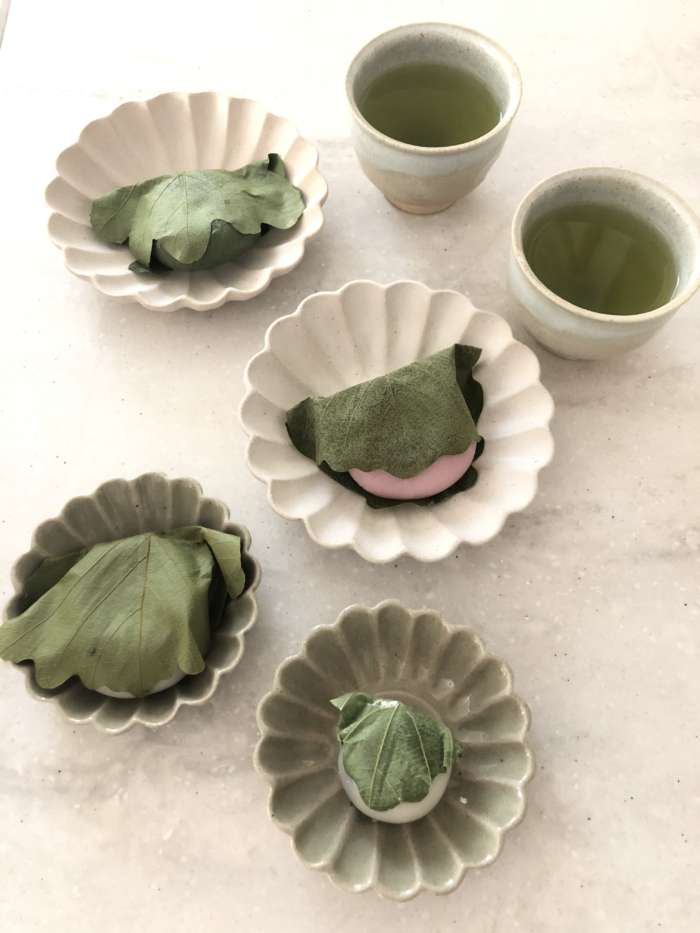
Traditional foods such as ‘kashiwa-mochi’, mochi rice cakes wrapped in oak leavesand, and ‘chimaki’, rice dumplings wrapped in bamboo leaves are eaten on that day. People put iris leaves and roots in the bath. It is believed that it will purge noxious vapor.
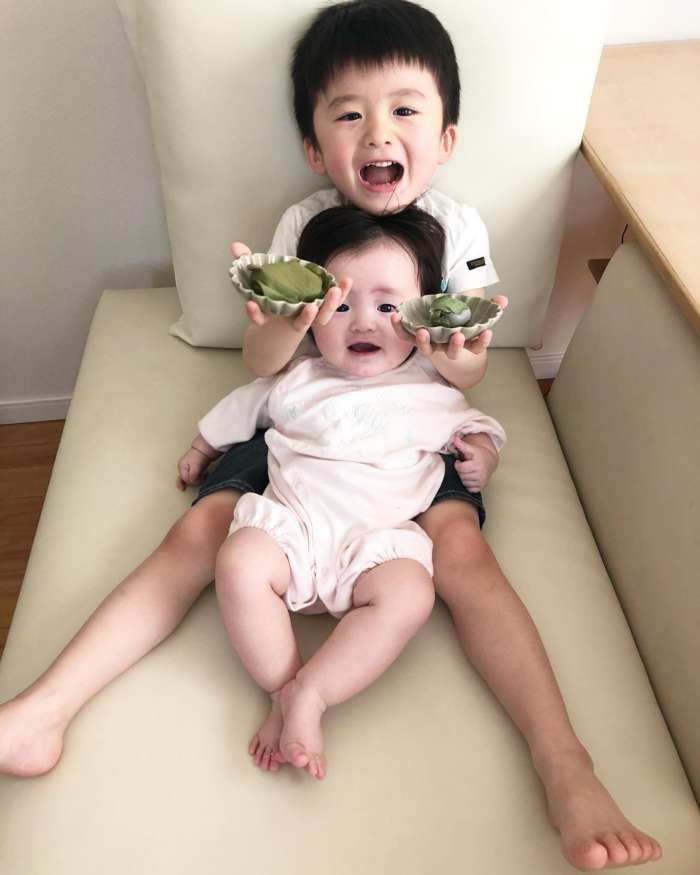
This year, my husband prepared kashiwamochi and I bought iris leaves and roots to put in a bath. Since it’s rare to put iris leaves and roots in a bathtub, my son enjoyed his long bath time tonight! Of course, kashiwamochi was delicious with green tea.
Made a special cake for dogs with using potato, special milk, yogurt and blueberries. The reason is…Mario (our therapy dog!?) became 9 years old !!! Read More
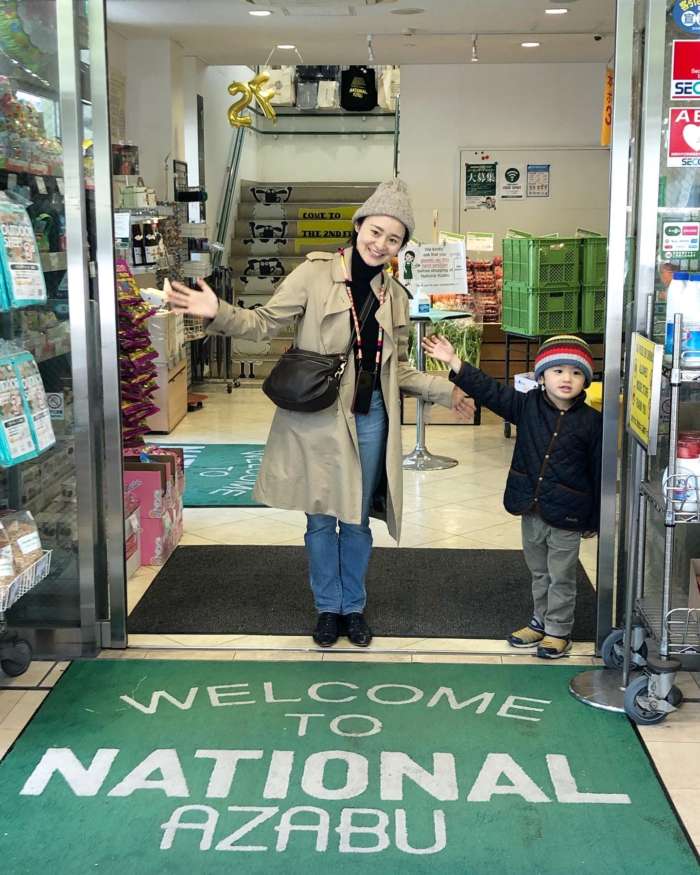
Day trip to memorable and important place for me. I’ve been visiting the National Azabu supermarket since I was a child. I found this supermarket from teen magazine I was reading when I was elementary school student. (Wow, almost 30 years ago!)
When I visited this store for the first time, I was so shocked to know there was such a place in Japan. I felt that I was in another country! Then, I was fascinated by the scent, the interior, the foods and the goods that I have never had. This experience definitely opened my mind and made me eager to understand other cultures in this world. After coming back to my hometown in Fukushima, I slowly became interested in learning English.
Since I love this supermarket very much so I occasionally visited there after I came to Tokyo for studying and living. What is more, I even worked for them before starting my business. Because I thought this was the best timing and the last chance for me to work there.
Don’t forget the strong passion and impactful memories you have in your mind! I believe those will guide you to the next level!
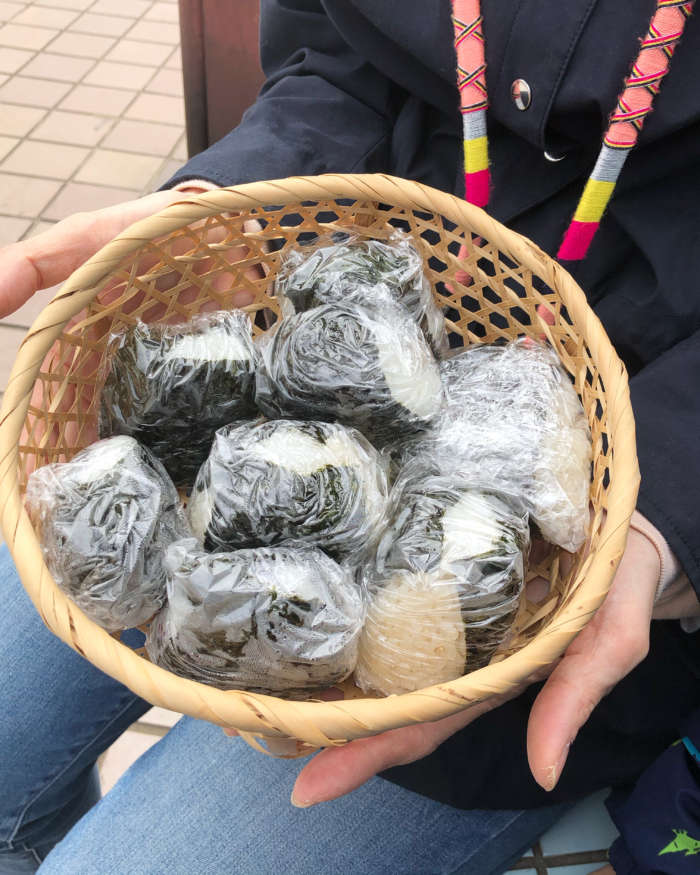
Did you enjoy the “Live” cooking class on YouTube on Saturday? I hope you made some of onigiri already. After the class, My family and I visited the park in our neighborhood and enjoyed eating onigiri (that I made during and after the class) under the Sakura cherry blossoms. This year, this will be our first and the last time to go and see Sakura trees.
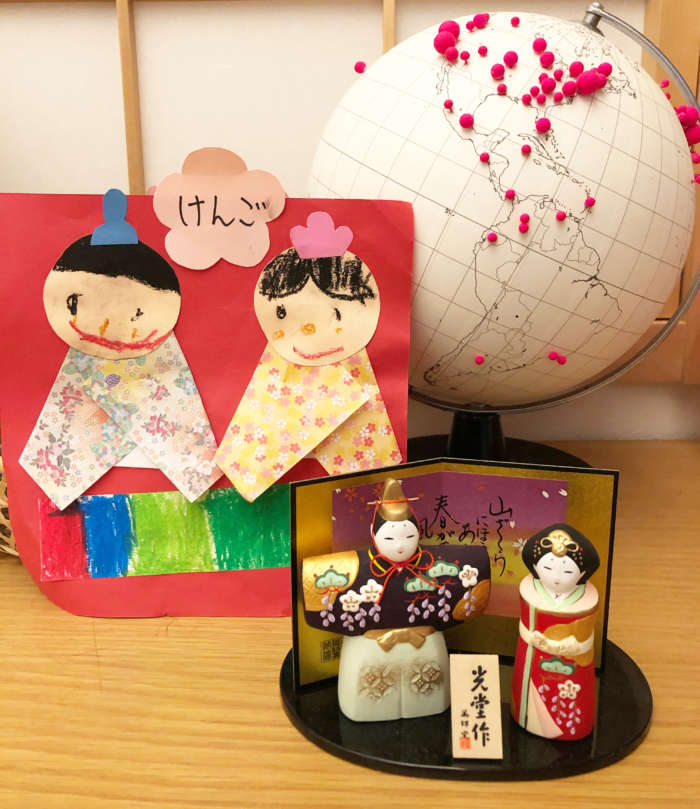
Happy Girls’ Festival 🎎✨ The 3rd of March is the traditional and representative spring event day called “Hina-Matsuri” in Japan.
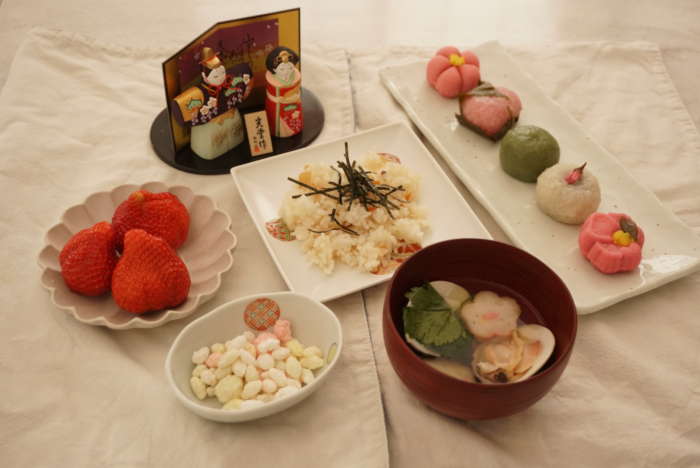
Hina-Matsuri means Girls’ Festival! There is a tradition if the baby is a girl, the parents of the mother give a traditional dolls called Hina-kazari (Traditional dolls of Emperor, Empress, their servants and accessories on the tiered stand) to their daughter’s family. This day, parents having daughter invite their families and friends to celebrate this event. They display Hina-Kazari and serve guests traditional dishes, like Chirashi-zushi (garnished sushi), hard-shell clam clear soup, hishi-moshi and hina-arare (pink and white grilled piece of rice cakes).
When I was a child, my parents invited the Hina-Matsuri party for me and my younger sister every year. So this event reminds me of my childhood and I loved it.
It was my daughter’s first girls festival day today. I made a clear color soup with using cherrystone clam and chirashi-zushi. She cannot eat them this year since she is 4 months old… 👶🏻 Hopefully, next year!
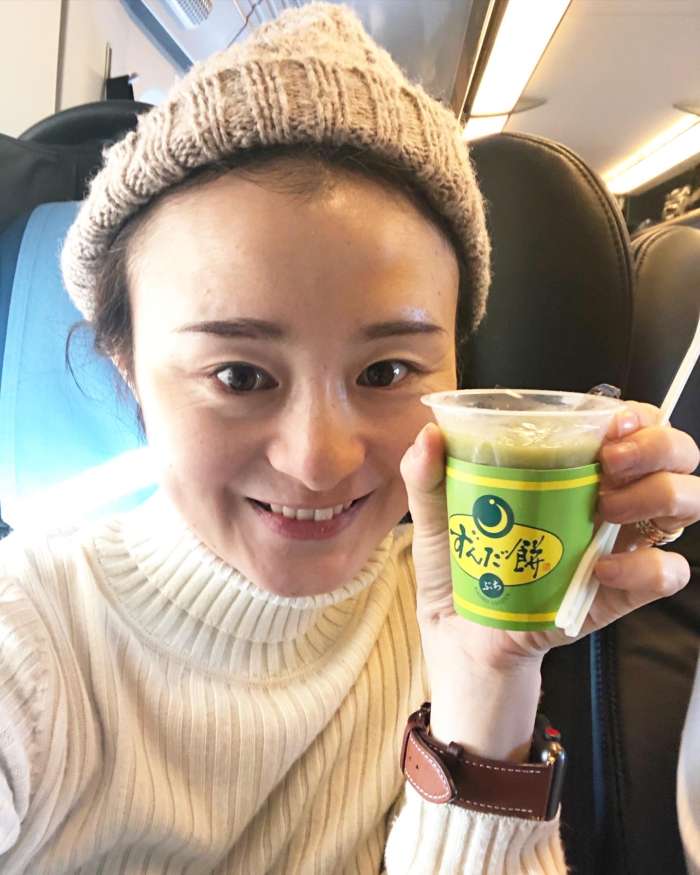
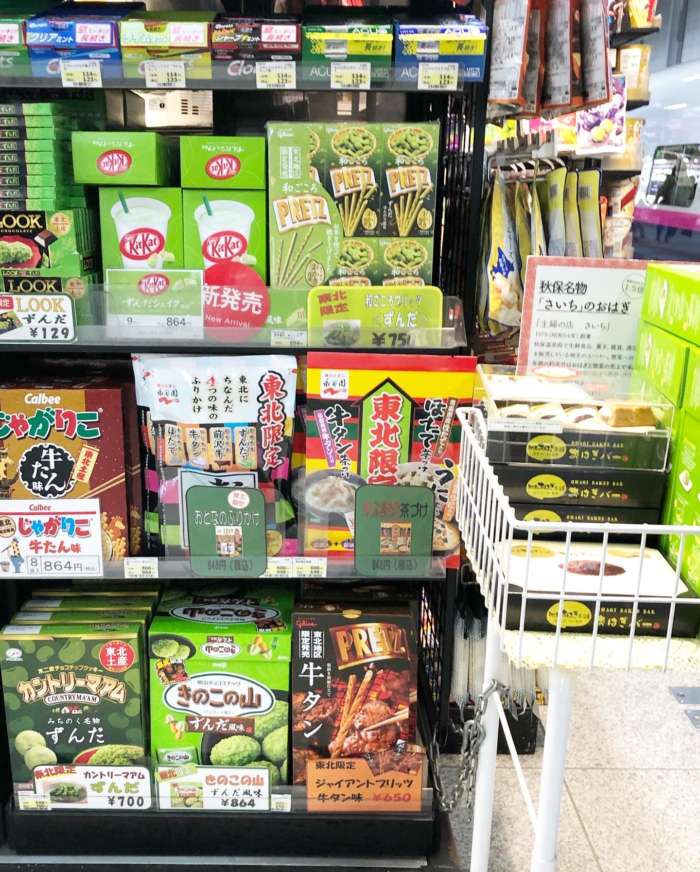
Zunda mochi! For sweets lovers, don’t forget to taste this local sweets in Sendai city. This is a mochi covered with crushed and sweetened edamame beans. Zunda mochi is so popular in this area, so you will see many zunda flavor products at the station or convenience stores etc. (Even KitKat product!!!)
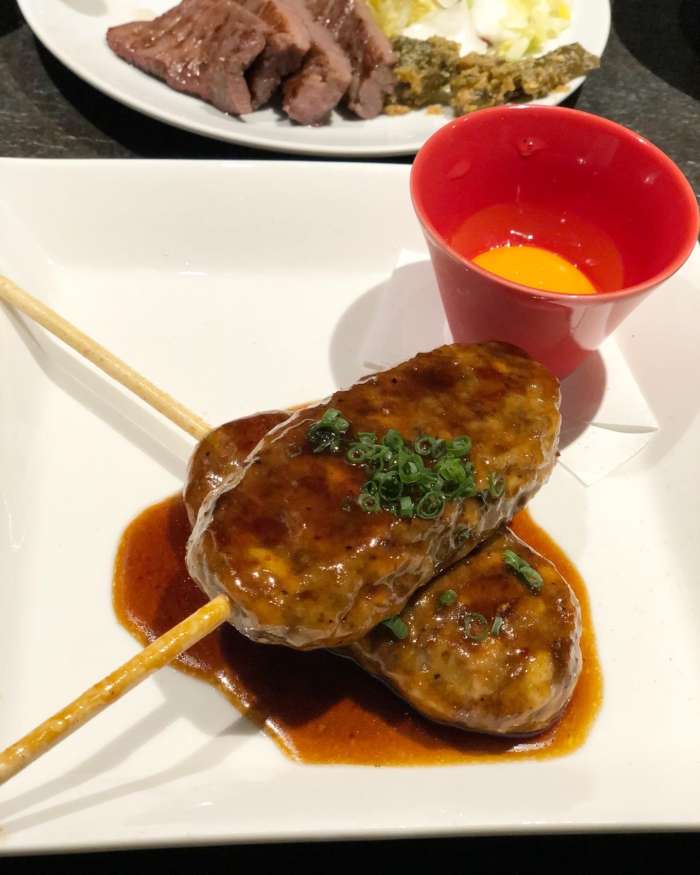
Gyu-tan (cow’s tongue)! It sounds a bit strange but this dish is one of the popular and “must-eat” gourmet food in Sendai city. It’s always nice to eat sliced and steak style but my family really enjoyed tsukune style.
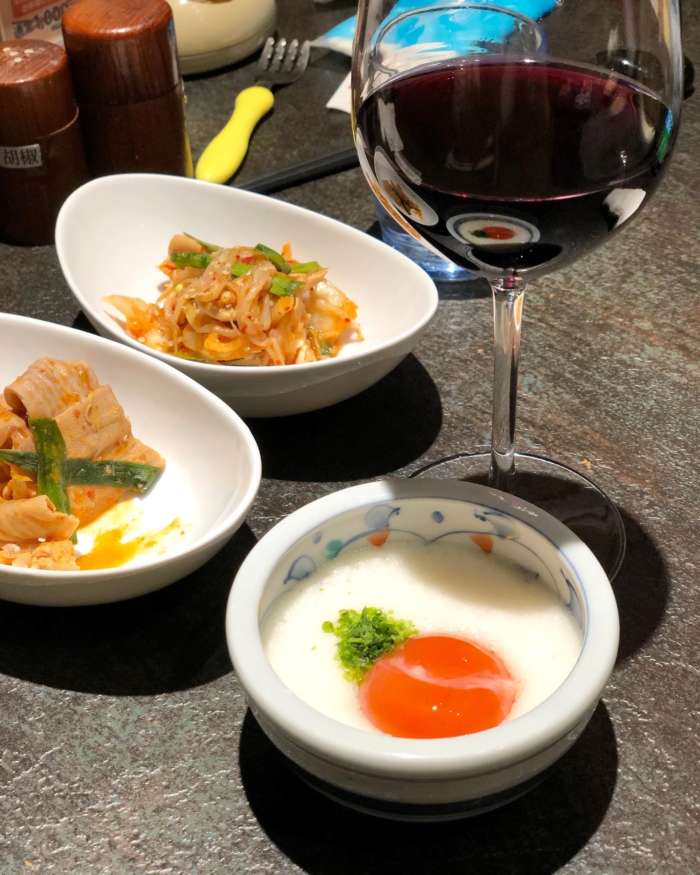
To add more, we ate the best Tamago-Kake-Gohan (We call this “TKG” in Japan!) with the egg from beautiful Fukushima region. This is the simple home meal with raw egg yolk topped over the rice. This restaurant also served shredded yam with egg yolk. The egg yolk is so orange and the flavor was fascinating!!!
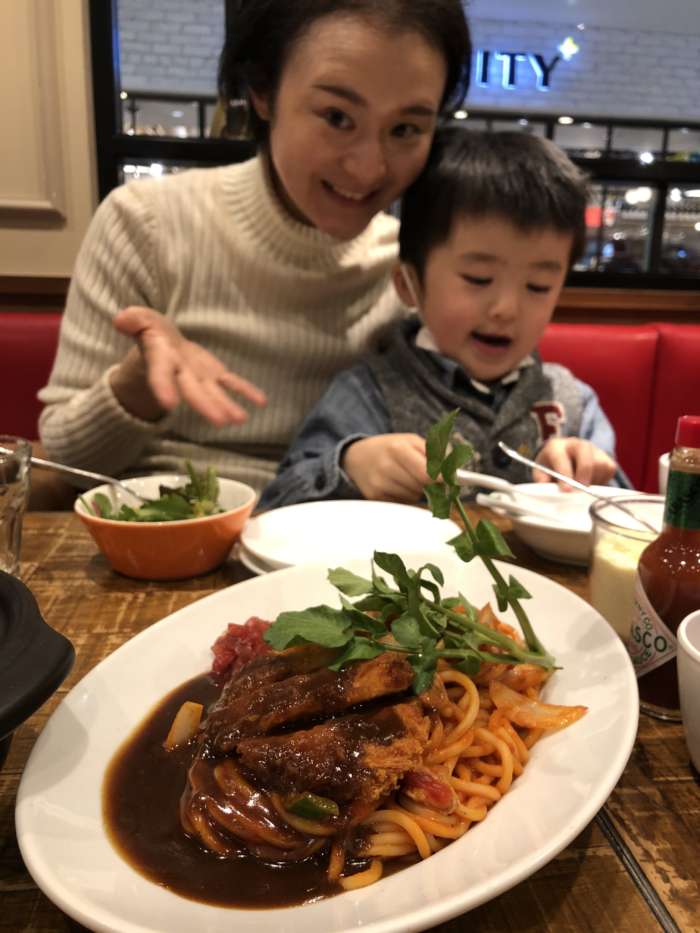
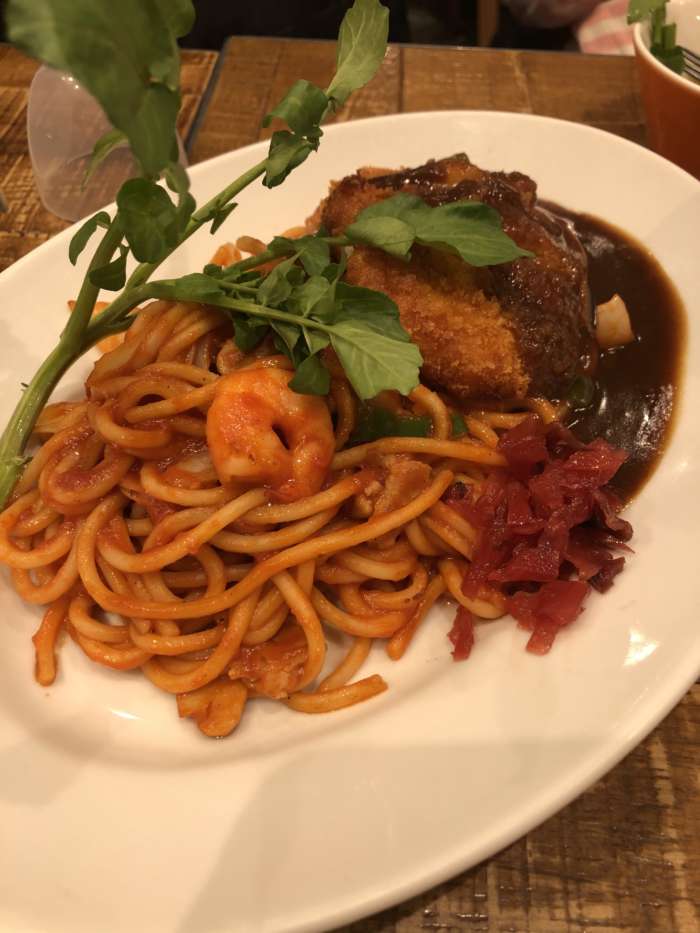
My family and I visited Sendai city the other day and had one of the popular Yoshoku (Western food/Western inspired Japanese food) , which is Napolitan spaghetti. I know some of you doubt about this pasta but we call “ナポリタン・スパゲッティ” in Japanese. For this dish, we usually use brown mushroom, green pepper, sausage or bacon and season with Japanese ketchup. Some people garnish extra parmesan cheese or tabasco on top.
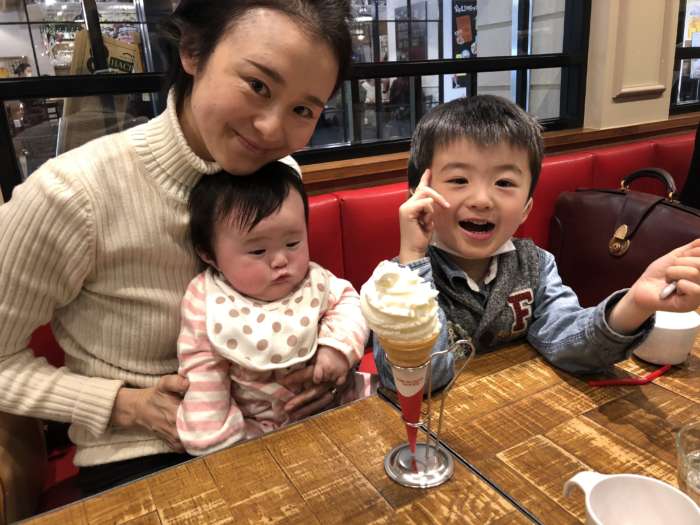
We luckily could eat the No.1 champion Napolitan spaghetti at HACHI (http://www.maido-8.com/) ! This shop is famous for hamburg and napolitan spaghetti. For their Napolitan spaghetti, they use onion, brown mushroom, shrimp and their pasta is a little bit thick and has chewy texture. It tastes between Italian pasta and Udon?! This menu had a fried cutlet aside. Of course, we ate all of it! After eating pasta, it’s ice cream time!!!
In my vlog, I will guide you secret places in Tokyo! This time, I will introduce the fabric town in Nippori. Nippori is best-known for its proximity to the Yanaka Ginza shopping district, which retains something of the Shitamachi (literally “low town”) charm of Tokyo’s less metropolitan past. (I have filmed three vlogs already!) However, on the opposite side of Nippori Station is another of Tokyo’s shopping paradises: Nippori Fabric Town. About 2 minutes’ walk from the Nippori station, you’ll arrive in the land that fabric dreams were hemmed, hand stitched, pressed and made of. For sewing lovers, this vlog is for YOU! Please check the video and plan your itinerary before coming to Tokyo! After visiting the fabric town, I’ll introduce my favorite sweets shop in this area.
I had an interview by Forbes JAPAN (https://forbesjapan.com/). I introduce my entrepreneurial stories, the art of Ramen & Gyoza making, the secrets of my class and vision for the future etc. To read this article (*only in Japanese), please click here.