Soy Products for Japanese Cooking
The soy bean, a rich source of protein, is central to the Japanese diet. Soy products include tofu, soy sauce, and miso. Tofu can also be pronounced dofu, as in Koya-dofu (freeze-dried tofu) or yudofu (tofu hot pot).
Tofu
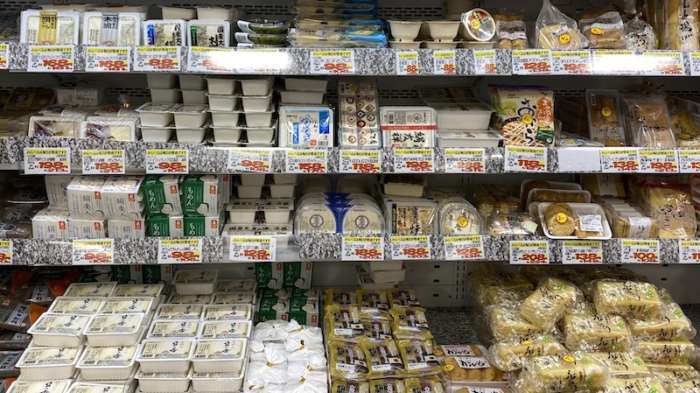
Tofu in Japan can be a reservation, a far cry from the bland blocks commonly found commonly found elsewhere.
Abura-age (油揚げ) : Pieces of tofu from which excess water has been pressed, and then deep-fried
Agedashi dofu (揚げ出し豆腐) : Tofu that is rolled in a starch (katakuriko0 deep-fried, and covered in a savory soy and dashi sauce
Atsu-age (厚揚げ) : Thick pieces of tofu that are deep-fried
Ganmodoki (がんもどき) : Tofu that is mixed with vegetables from both land and sea, molded into balls, and deep-fried
Hiyayakko (冷奴) : Chilled tofu, popular in summer
Kinugoshi dofu (絹ごし豆腐) : Soft or silken tofu
Koya-dofu (高野豆腐) : Freeze-dried tofu, named after Mount Koya where it was originally made
Momen dofu (木綿豆腐) : cotton tofu or firm tofu, so called because the tofu was traditionally strained through a piece of cotton cloth
Yakidofu (焼き豆腐) : Grilled tofu, often used in hot pots
Yudofu (湯豆腐) : Tofu hot pot, a popular dish in the winter
Zaru dofu (ざる豆腐) : Very soft tofu named for the zaru, a bowl made from bamboo in which it is formed
Other soy products
Daizu (大豆) : Dried soybeans
Edamame (枝豆) : fresh soybeans, usually served boiled and seasoned with sea salt
Kinako (きなこ) : Flour made from toasted soybeans; a popular ingredients in wagashi (Japanese confections)
Miso (みそ) : Fermented paste, which is made from soybeans and sea salt combined with koji. More in detail
Okara (おから) : The pulp left over after steamed soy beans are pressed to make soymilk; low in fat and rich in fiber, okra may be mixed with vegetables, or used as an ingredient in croquette
Natto (納豆) : Fermented soybeans, famous for a their funky aroma and gooey texture.
Tonyu (豆乳) : Soy milk
Yuba (湯葉) : The skin from soy milk that has been heated; best when served on its own with a bit of soy sauce and wasabi, it can also be used to wrap foods or as an ingredient.
* Reference of this article : Food Sake Tokyo (The Terroir Guides)
YUCa’s Diary : Week 14, 2021

1st of April was an April fools day! Secretly, I changed my profile photo on my various SNS! Did you notice it???
This is chef’s uniform at the kindergarten. Some of you might know but I was working at the kindergarten in Tokyo. I was making lunches and sweets for around 160 babies and kids (& also teachers). It was really a good experience and became a great career path for me. Especially, when I create baby & kids meal recipes on my YouTube channel! 😉
P.S. It seems that Mario and Luigi are wondering what’s going on.
YUCa’s Diary : Week 13, 2021
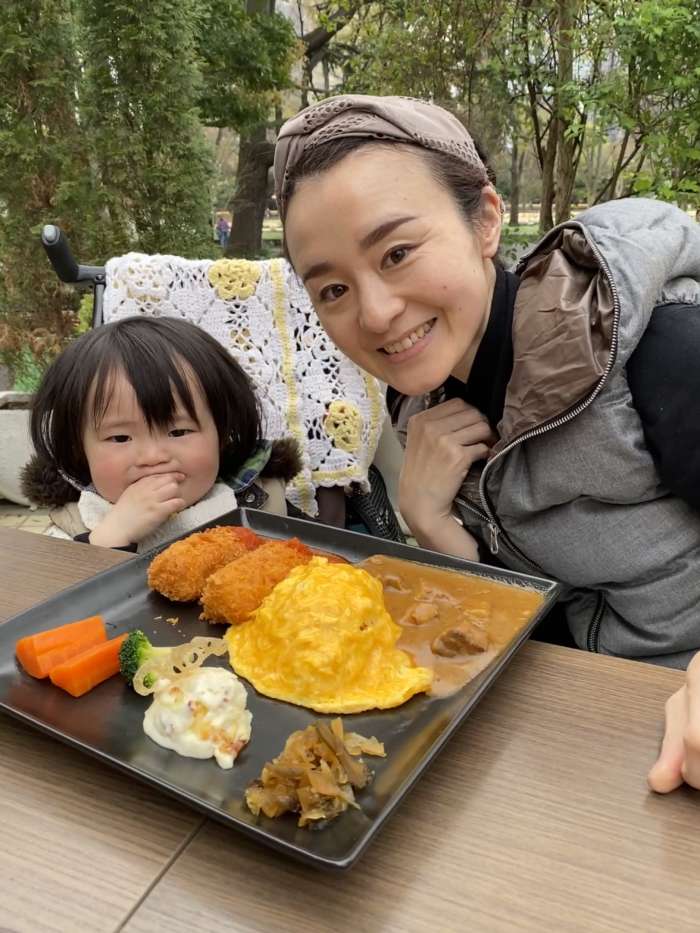
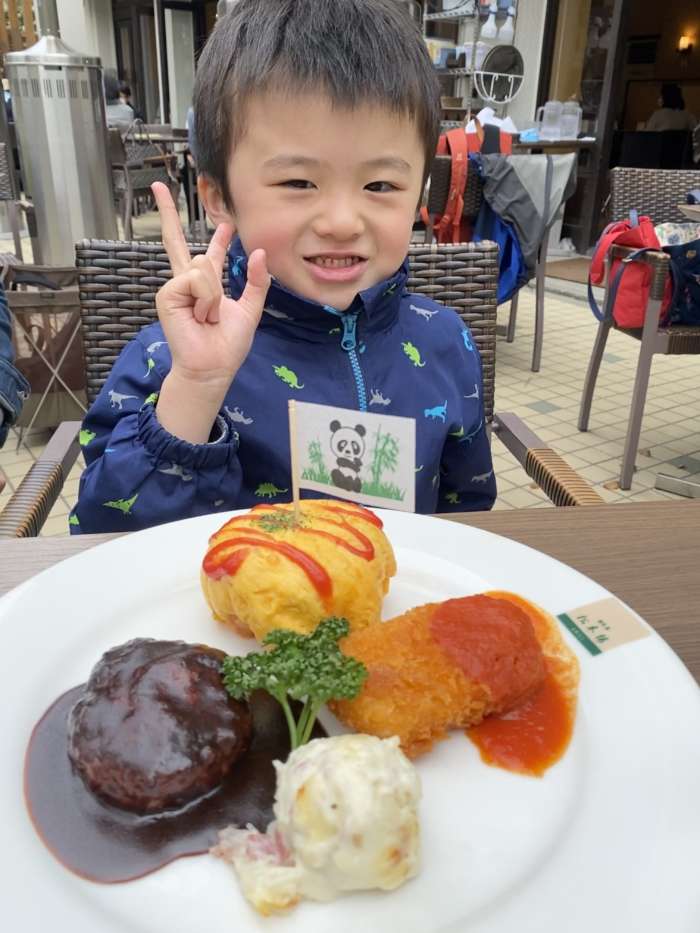
The other day, I had a brunch to celebrate the 10th wedding anniversary at Matsumotoro in Hibiya. It’s been 10 years since there were various things both my business and my private. I realized that 10 years was so quick. There have been some achievements, but there are still some areas. Even so, my family has increased, so I would like to sit down and do my best for the next 10 years.
先日、日比谷にある松本楼にて結婚10周年のお祝いブランチをしてきました。公私共にいろいろなことがあって、内容の濃かった10年。10年ってあっという間なんだなぁと実感。それなりに達成できたことはあったけれども、まだまだの部分もある。それでも、家族も増えたので、これからの10年はもうちょっと腰を据えて頑張っていきたいと思うところです。
YUCa’s Diary : Week 12, 2021
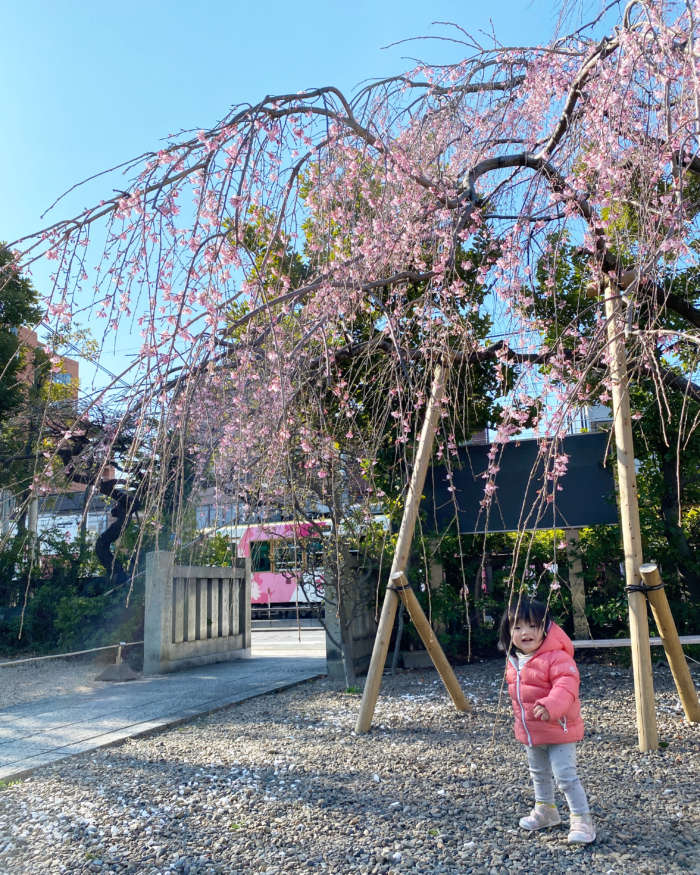
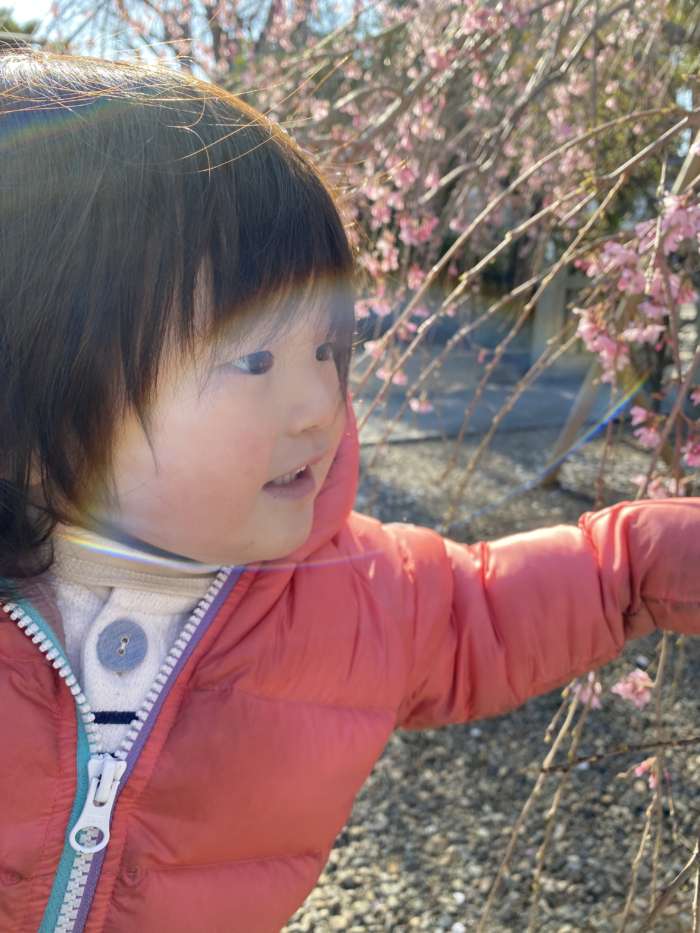
Sui-chan under the Sakura cherry blossoms. Maybe this is the first time for her to see beautiful Sakura consciously.
YUCa’s Diary : Week 11, 2021
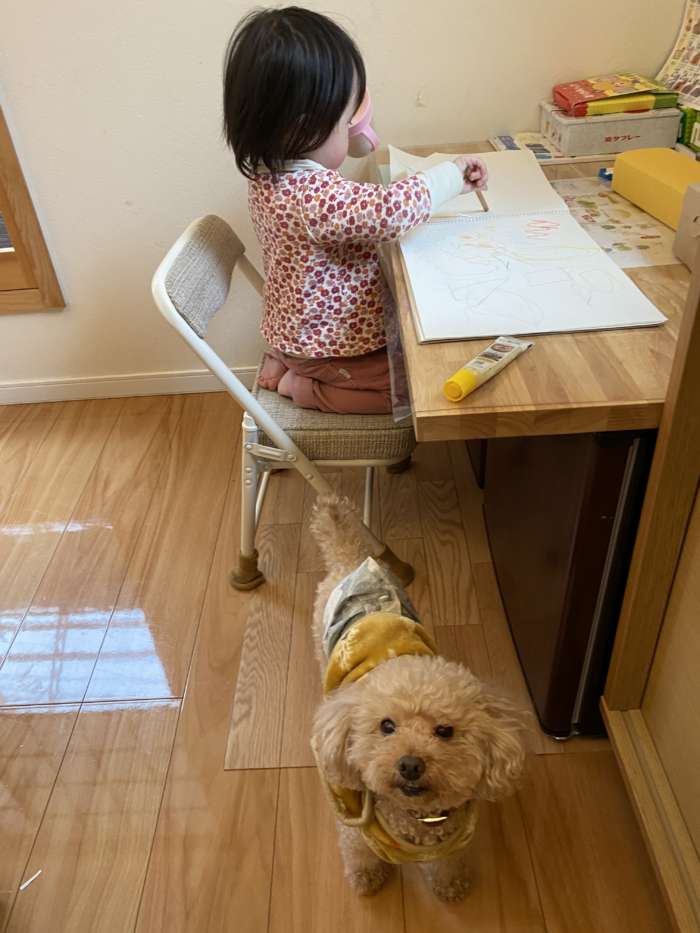
Sui-chan started drawing lines with using pencil. (and she drinks milk at the same time…) Apparently, she is good at multitasking that her mother is not. And Mario is always her guard dog.
YUCa’s Diary : Week 10, 2021
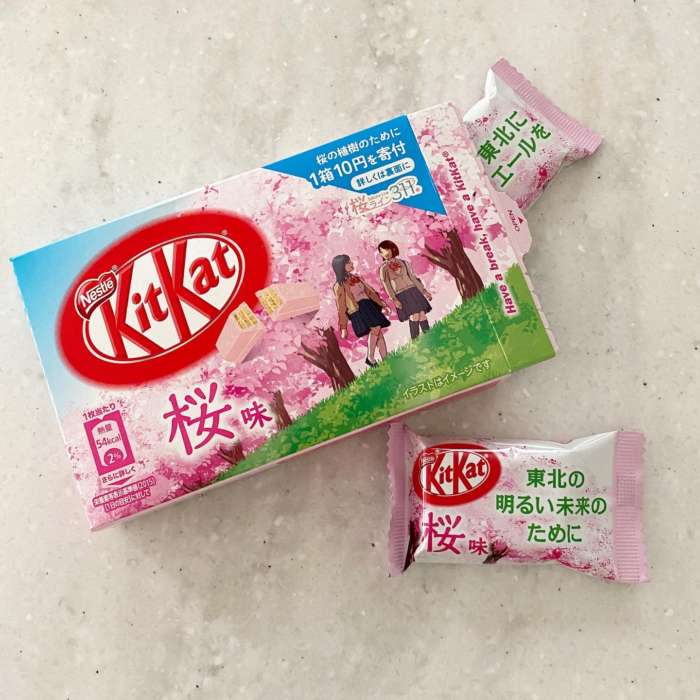
I found the cherry blossoms flavor KitKat at convenience store.
Not only beautiful package, you can make a donation to plant cherry trees in Tohoku region by purchasing this product.
It was March 11 yesterday and special programs were broadcasted all day in Japan. 10 years have passed since the big earthquake and tsunami happened in Tohoku area of Japan.
I believe that this event changed many people’s lives and way of thinking.
From this day onward, I began to think that unexpected things happen suddenly in life. I have to take more responsibility, independence in my life. Feel grateful for the normal day every nights.
And now, I became a mother of two children who were born after this event. As a parent, I will continue telling my children what happened in northern part of Japan and what we should prepare for the future.
YUCa’s Diary : Week 9, 2021
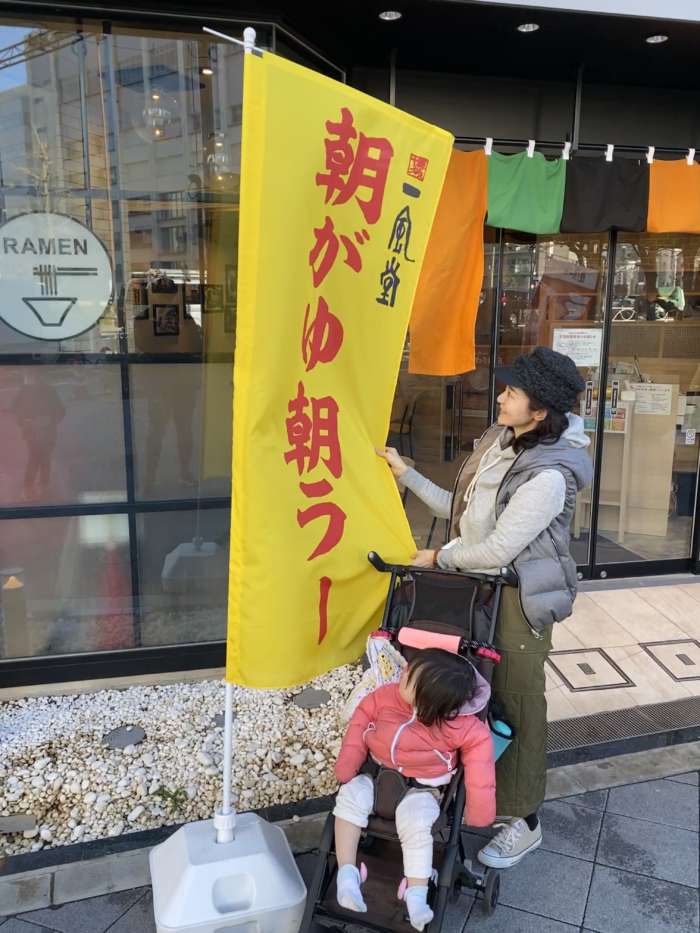
Have you ever heard the word “Asa Ra”(朝ラー)?
This means “Easting Ramen from the morning”.
It has been a hot topic just before Corona and was popular with tourists as well, especially Ramen Lovers !
A Japanese famous ramen company Ippudo 一風堂 recently started offering Soy sauce ramen & Special rice porridge at their limited shop in Asakusabashi. So, my family and I visited weekday morning from 8:00!
The price is reasonable at 500 yen, and those who wish can drink coffee for free. *This service is weekday only!
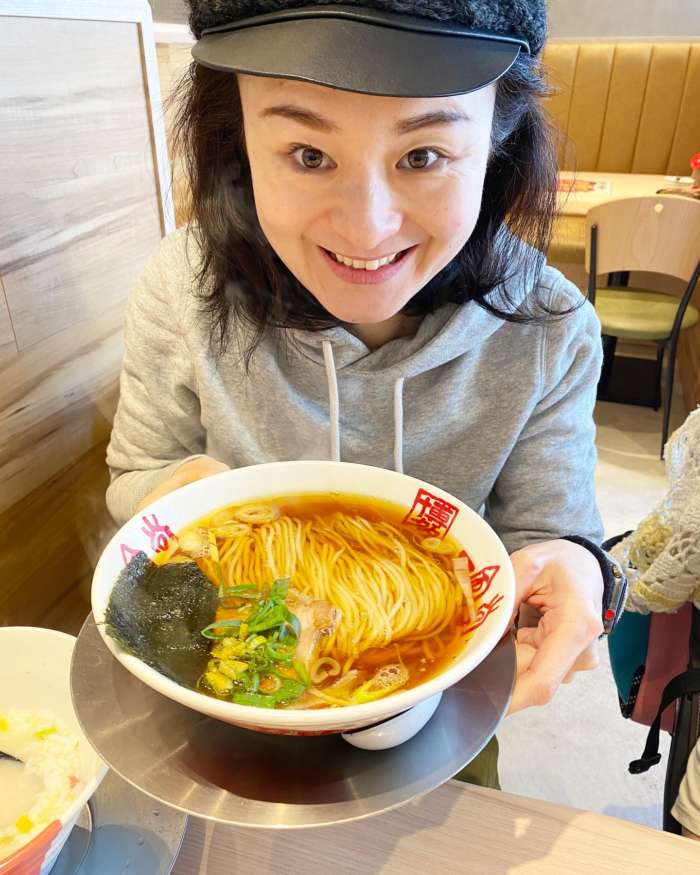
Though Ippudo is famous for Tonkotsu ramen but the soy sauce ramen and their homemade egg noodles were really fresh, chewy and went well with light flavor soy based soup.
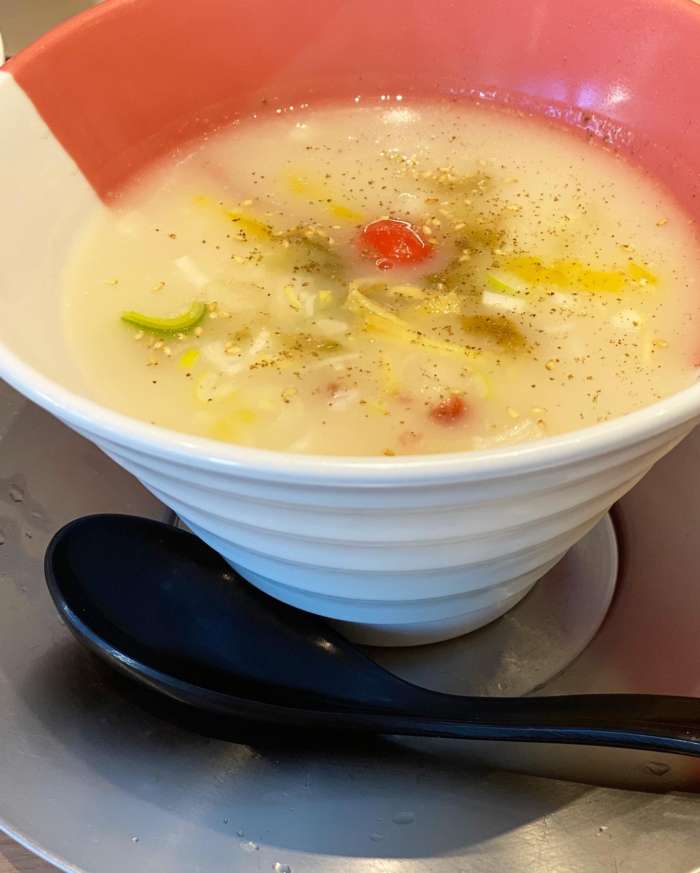
And our surprise was that their special rice porridge is made of Tonkotsu soup! Umeboshi, Zha cai, and paprika, which are thought to have been added to change the texture, were also interesting and delicious.
Both dishes warmed my body on a cold morning.
If you are interested in making Shoyu ramen (soy sauce based ramen), please check this recipe!
YUCa’s Diary : Week 8, 2021
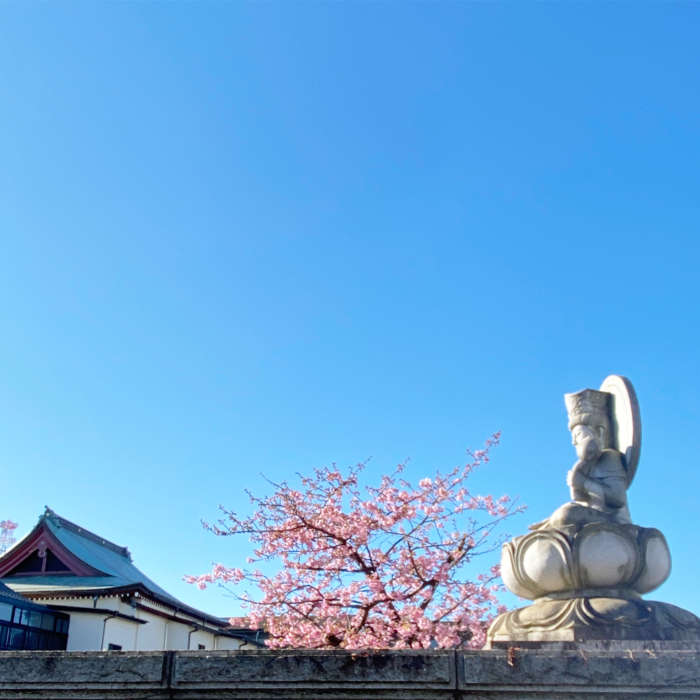
When I was taking a walk in the neighborhood, I found UME (梅) plum blossoms starting to bloom.
The early plum blossoms are called Kanbai/kambai (寒梅). It means Cold (寒) and Plum (梅) because they bloom at the coldest time of the year. Spring is just around the corner in Tokyo!
YUCa’s Diary : Week 7, 2021

Happy Valentine’s Day! Did you know that Japan celebrates Valentine’s Day with the opposite approach from overseas? I remember when I was young, my friends, including myself, were throbbing and squirming as Valentine’s Day approached.
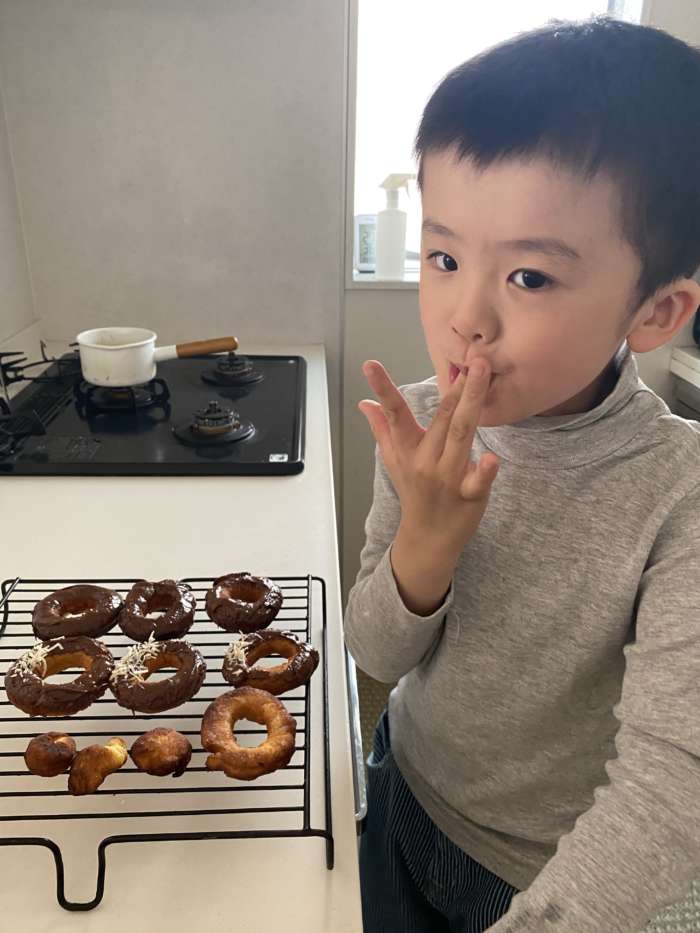
In modern times, there is something called “giri choco” (義理チョコ) that gives chocolate to bosses and friends. Others seem to buy themselves high quality chocolates as a reward. My case…I made tofu donuts with my son Kengo and tasted together with my hubby and Sui-chan.
YUCa’s Diary : Week 6, 2021
It’s still cold here in Tokyo. We don’t have snows but my hometown (northern part of Japan) snows a lot every winter. February 3rd is normally the day of Setsubun. Setsubun refers to the day before the beginning of each season. (the first days of spring, summer, fall and winter). The literal meaning of the word Setsubun is “seasonal division”. Out of all the 4 Setsubun days, Risshun (the first day of spring) is the most special day.
ここ東京はまだ寒いです。雪はありませんが、私の故郷(日本の北部)は毎年冬に雪がたくさん降ります。 2月3日は通常節分です。節分とは、各季節の始まりの前日を指します。 (春、夏、秋、冬の最初の日)。節分という言葉の文字通りの意味は「季節の分裂」です。節分4日間の中で、立春(春の初日)が最も特別な日です。
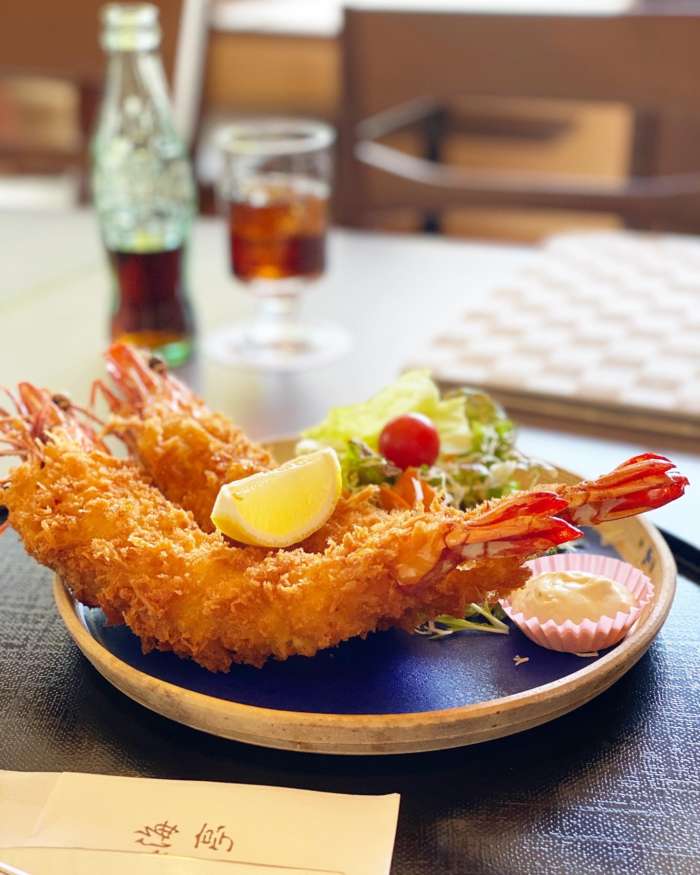
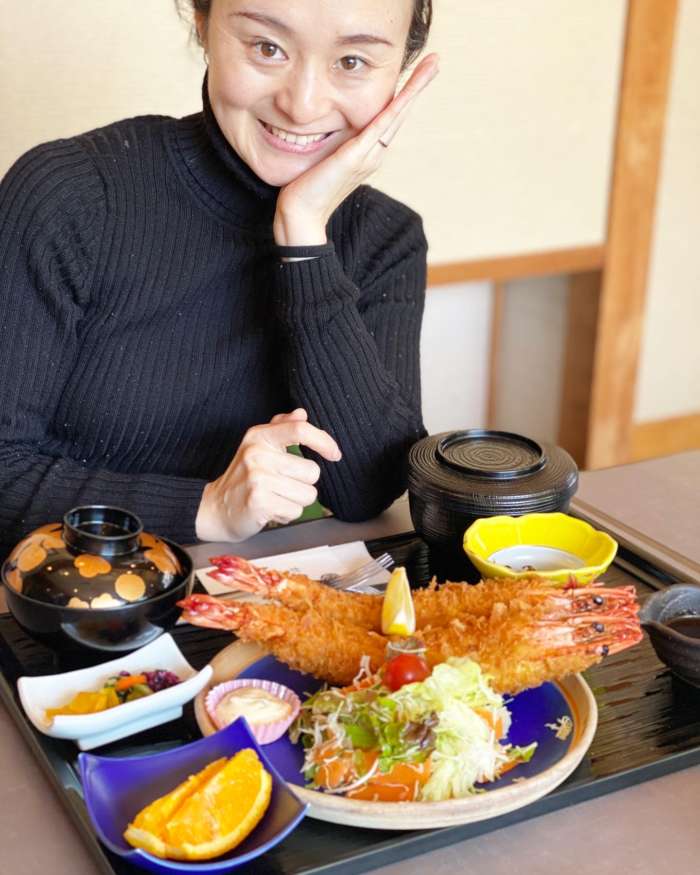
To celebrate this special day, my family and I visited the Japanese restaurant and had the huge Ebi-Furai (fried shrimps) that we have never seen this in life! The shrimp itself was big and also it’s coated with lots of panko (bread crumbs). So, super crispy outside and fluffy inside. I use small to medium size shrimps in my recipe video but if you are interested in how to make the Ebi Furai (Japanese fried shrimp) & Japanese version Tartar sauce, please check here!
この特別な日を祝うために、家族で日本食レストランへ行き、これまでに見たことのない巨大なエビフライを食べてきました。 エビ自体もとても大きくて、パン粉がさらにたっぷりついています。外はサクサク、中はふわふわ。私のレシピ動画では中サイズの海老を使用していますが、海老フライと日本版タルタルソースの作り方に興味のある方は是非、こちらのレシピをご覧ください!