Japanese Home Cooking Class in Tokyo. YUCa's Food & Lifestyle Media from Japan

Trip adviser Google map instagran youtube

Virtual Class Schedule

In-person Class Schedule

See all

Yaki Onigiri

Categorised in: | Link of this article

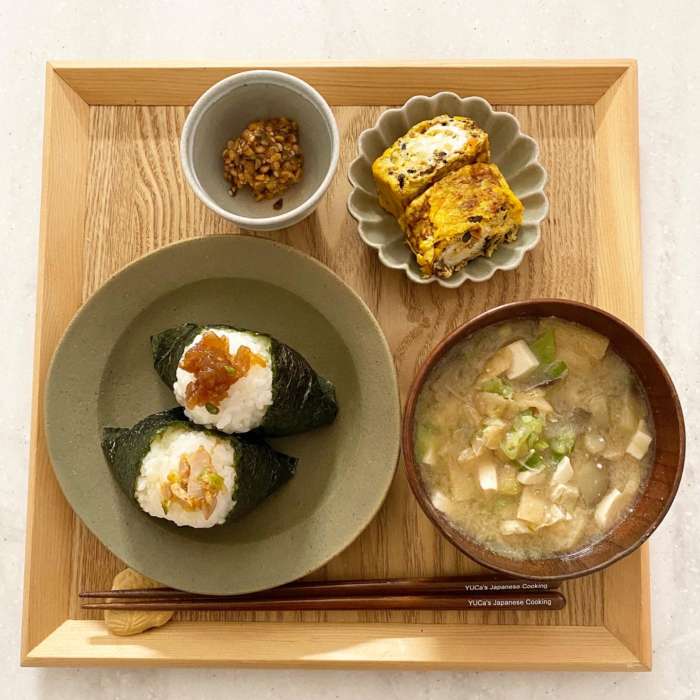
Yaki Onigiri(焼きおにぎり)is not so famous among worldwide but this is one of hidden popular onigiri in Japan. In this recipe, I will show you how to make two types of grilled rice balls. One is to place a white rice ball on the net grill and grill it while dipping it in soy sauce (the traditional style), and the other is to pre-season it with soy sauce, dried bonito flakes, mirin, etc. and place it on the net grill or pan and grill it to your desired hardness (the modern style).

Dried products for Japanese Cooking

Categorised in: | Link of this article

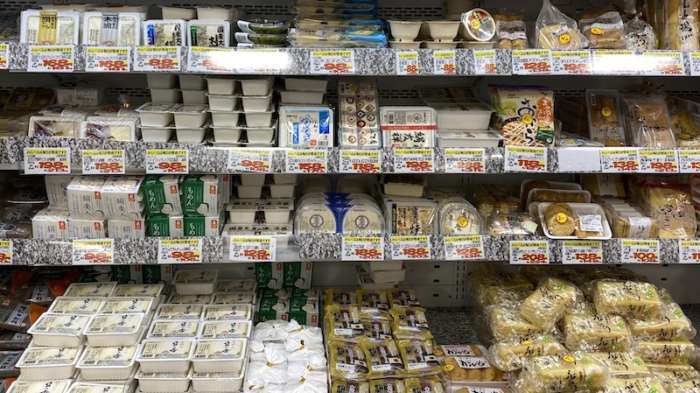
Kanbutsu (dried products, 乾物) are key staples of Japanese pantry. All have a long shelf life, most are natural and without preservatives; and they can be simply reconstituted in water before use.

Seaweed:

Aonori (青のり): Green laver, often sprinkled on Okonomiyaki and Yakisoba.

Aosa (あおさ): Sea lettuce, good in soups

Hijiki (ひじき): A black sea vegetable rich in minerals and protein

Kaiso (海藻): Generic term for sea vegetables, often added to salads

Kanten (寒天): Aga-agar made from tengusa, a sea vegetabl, and used as a gelatin

Kombu (昆布): Kelp, essential ingredients in dashi soup broth

Nori (海苔/のり): Seaweed, often used for sushi

Wakame (わかめ): A sea vegetable often used in miso soup and salads

Seafood:

Katsuobushi (かつおぶし): Dried bonito flakes

Niboshi (煮干し): Small dried sardines

Sakura ebi (桜えび): Dried sakura shrimp

Sesame seeds:

Goma (ごま): Sesame seeds

Irigoma (炒りごま): Roasted sesame seeds

Kurogoma (黒ごま): Black sesame seeds

Shirogoma (白ごま): White sesame seeds

Surigoma (すりごま): Crushed sesame seeds

Wheat gluten:

Fu (麩): Wheat gluten

Kuruma-fu(車麩): Car wheel shape wheat gluten

Vegetable:

Hoshi shiitake (干し椎茸): Dried shiitake mushrooms

Hoshi warabi (干しわらび): Dried bracken, a type of mountain vegetable (Sansai)

Hoshi zenmai (干しぜんまい): Dried royal fern, a type of mountain vegetable (Sansai)

Kanpyo (かんぴょう): Dried gourd strips

Kikurage (きくらげ): Dried wood-ear mushroom

Kinako (きなこ): Dried soybean powder, a popular ingredient in confections

Kiriboshi daikon (切り干し大根): Dried strips of daikon

Kuzuko (葛粉): Starch made from the kudzu plant, used as a thickening agent, also referred to simply as Kuzu

Beans:

Mame (豆): Generic term for beans

Azuki (小豆): Small red beans, often used in confections (wagashi)

Daizu (大豆): Soybeans

Kintoki (金時): Kidney beans

Kuromame (黒豆): Black beans

Koya dofu (高野豆腐): Freeze-dried tofu

Noodles:

Menrui (麺類): Generic term for noodles

Soba (そば): Buckwheat flour noodles

Somen (そうめん): Thin wheat noodles

Udon (うどん): Thicker wheat noodles

Harusame (はるさめ): Thin noodles made from bean starch (or potato starch)


Memo :

1. Are you looking for Japanese cookbooks and kitchenwares etc? Visit YJC store on Amazon!
2. Would you like to cook many more recipes? Download Free recipe app from here! “Recipe by YJC

* Reference of this article : Food Sake Tokyo (The Terroir Guides) 

YUCa’s Diary : Week 5, 2021

Categorised in: | Link of this article


In Tokyo, it snowed for the first time this year. It was only a few hours, but the kids were very excited about the snow. Sui-chan may not have known what was happening. It rarely snows in Tokyo, so I hope it will fall again!
東京では、今年最初の雪が降りました。ほんの数時間でしたが、子供たちは雪に大興奮。すいちゃんは何が起こっているのかわかっていなかったかもしれません。東京で雪が降ることは滅多にないので、また降るといいなぁ!

YUCa’s Table : vol.202

Categorised in: | Link of this article


Menu:
– Miso soup with spinach, tofu and daikon radish [Recipe]
– Japanese rice [w/Pot] [w/Rice Cooker]
– Tofu steak [Recipe]
– Kimpira gobo (Stir-fry burdock and carrot) [Recipe]
– Shira-ae (Tofu salad) [Recipe]
– Japanese pickles [Recipe]
– Japanese omelette [Original] [w/Mayonnaise]
– Strawberry

* Would you like to cook Japanese cuisine anytime?
☞ Download my recipe app “Recipe by YJC” (iOS, iPad OS and Android)  FREE!

Miso soup for Japanese Breakfast

Categorised in: | Link of this article

This is my first collaboration episode with my friend Tomoko, a culinary curator based in LA and the host of the new-ish YouTube channel “Japanese Food Ambassador”. Introducing miso soup in our style. On my side, I will make tofu steak in addition to miso soup and explain about Japanese breakfast. Please look forward to the presentation method for kids! I hope you enjoyed this special episode and commented!

Read More

YUCa’s Diary : Week 4, 2021

Categorised in: | Link of this article


A photo of my daughter. Sui-chan is 1 year and 3 months old now. She eats better than her brother. Around this month, my son used to play with LEGO and wear bibs all the time, but as you can see, she always has food in her hands.
娘と久しぶりのツーショット。娘は1歳3ヶ月になりました。お兄ちゃんよりもよく食べます。息子がこのヶ月の頃はよだれ掛けをしながらLEGOで遊ぶのが定番スタイルでしたが、ご覧の通り、娘は常に両手に食べ物を持っているのが定番スタイルです。

Basic ingredients for Japanese Cooking

Categorised in: | Link of this article

Dashi (だし):The most basic broth on which much of Japanese food is based. Umami rich ingredients like kelp (Kombu), Bonito flakes, dried sardines and dried shiitake mushrooms are all key ingredients to make Dashi. For more about Dashi, please read this page!

Soy sauce (醤油): A primary seasoning of washoku. Traditionally steamed soybeans and roasted wheat are mixed with koji mold and salt, and fermented for several months or longer.

Types of soy sauce: 
Koikuchi (濃口) : Dark color soy sauce. The most popular type in Japan.
Usukuchi (薄口) : Lighter color than koikuch. Normally saltier. Convenient to highlight the color of food. It is popular in the Kansai area.
Tamari (たまり) : A little bit sweet. Normally Gluten-free. Often served with sashimi. The taste is more intense and rich in umami with a thicker mouth feel.

Sake (日本酒): A national alcohol beverage of Japan. It is delicious and flavorful as a beverage, and also very handy in cooking. Sake can remove unwanted odor like fishiness, soften texture of food and increase umami. Can be drunk hot or cold.

Recommend:
Purchase Nihonshu (日本酒)or Seishu (清酒) from the sake section. As with wine, if you cook with sake, the food will naturally pair well with sake. There are several grade in Sake, I recommend Junmaishu (純米酒) or upper.

Mirin (みりん): A sweet cooking liquid with around 14% alcohol and is made with sticky rice, koji and added distilled alcohol such as shochu. Mirin helps to create a dish with deep and complex taste, because the alcohol has an ability to penetrate into food together with other flavor elements. It also helps to tenderize, sweeten and glaze food to give a beautiful shine.

Substitutions : 1 Tbsp dry sherry and 1/2 tsp sugar
                           Or, use sweet sherry
Or, heat two parts sake and one part sugar

Mirin is an ingredients of Toso(屠蘇), spiced medicinal sake that is drunk during the New Year celebration to ward off illness.

Recommend:
Purchase high-quality hon mirin (本みりん) which usually has orange color. It is sweet, but mellower than sugar.

Vinegar (酢): Made from sake rice, Tane koji (seed molt), water, yeast, rice vinegar and acetobacter. Vinegar is very delicate product and should be added toward the end of cooking or it loses its aroma. Vinegar, too, can help cleanse the aromas of fish. Rice wine vinegar, rice vinegar (komezu) is the preferred vinegar in Japan. It is milder and sweeter than other types of vinegar. Rice vinegar is used in many dishes, such as sushi rice and Japanese-style quick pickles, and meat dishes to reduce fattiness.

Miso (味噌): An important seasoning in washoku and also an essential ingredient in miso soup. A rich savory paste from fermented food made from soy beans, salt and grain (usually rice or barley). Red miso (Aka miso) is dark and high in protein and salt. White miso (Shiro miso) is milder and sweeter and suitable for dressings. Medium (Awase miso) is all-purpose, being a mix of red and white miso. Mame miso is made with soybeans (mame) only (popular in Nagoya). If rice (kome) is added, it is called kome miso, the most common type. With barley (mugi), it is called mugi miso (popular in Kyushu). For more about miso, please read this article.


Other common pantry items:

Yakumi (薬味): Herbs and spices called yakumi can play a major role in elevating delicious flavor of washoku, which tend to consist of only a few ingredients. Yakumi also offers heatlhy benefits such as boosting appetite and helping digestion. Vegetable yakumi includes shiso, wasabi, sansho and togarashi. There are fruit yakumi, such as umeboshi (pickled plum), yuzu and sudachi citrus. Fish can be yakumi, e.g. bonito flakes and sakura shrimp. 

Wasabi (わさび): Japanese horseradish, available grated and in tubes; look for products that are one hundred percent wasabi, often labeled “hon wasabi”.

Yuzu Kosho (柚子こしょう): A salty and spicy paste made from salt, yuzu rind and chili peppers.

Yuzu (柚子): The skin of aromatic citron; a popular condiment, it is available freeze-dried.

Shichimi (七味): A blend of seven spices, often including dried red chili pepper, dried yuzu peel, ao nori, hemp seeds, sesame seeds, white poppy seeds, and Sansho peppers. Blend vary; often served with noodles such as udon.

Ichimi (一味): Dried red chili pepper (togarashi), also called ichimi togarashi.

Katakuriko (片栗粉): A starch originally made from dogtooth violet, it is more commonly found made from potatoes. Used to thicken sauces, it is similar to cornstarch but with a finer texture.

Goma Abura (ごま油): An aromatic sesame oil used for its aroma and nutty flavors.


Memo :

1. Are you looking for Japanese kitchenwares and seasonings etc? Visit YJC store on Amazon!
2. Would you like to cook many more recipes? Download Free recipe app from here! “Recipe by YJC

* Reference of this article : Food Sake Tokyo (The Terroir Guides) 

YUCa’s Diary : Week 3, 2021

Categorised in: | Link of this article


My son Kengo and I wrote a votive tablet at the park we visited the other day. It was a park, not a shrine, so I wonder what would happen, but I feel that writing it will change my consciousness again. What is your resolution for this year?
Mine? “
May my YouTube Channel buzz …” 😊
先日訪れた公園に絵馬があったので、息子と一緒に書いてみました。(というか息子が書いてくれました。)神社ではなく公園だったのでどうなることやらですが、書くとまた意識が変わる気がします。今年のあなたの決意は何ですか?
私は、「YouTubeチャンネルでバズりますように♡」です。叶うといいなぁ。😊

Display mode

In-person Class Schedule

See all

Instagram

See more photos