Undo-kai (Sports Day)
Sports Festival (Sports Day), also known as “Undo-kai” (運動会) in Japanese, is a traditional annual event that is generally held in spring or fall. On the day, all students participate in a variety of sports events such as relay and dance performances typically held on the school’s grounds.
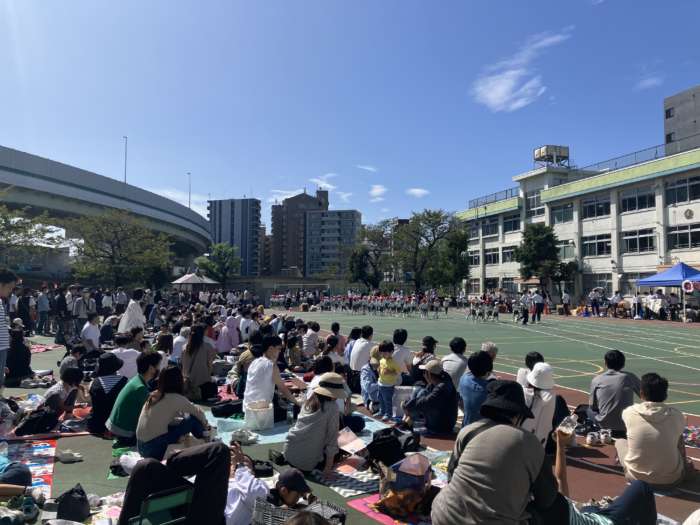
There are competitions in which students are divided into two or more teams and compete to win, which is a lot of fun for the students as well as their parents. Here are some typical athletic competition.
Read More
Japanese Set Meal Idea : vol.268
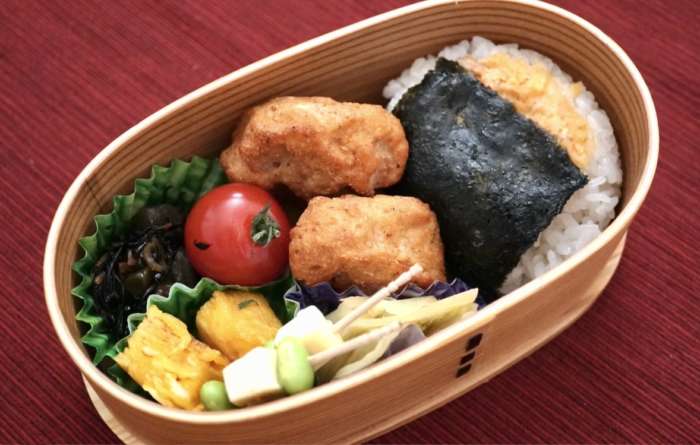
Menu:
– Salmon Mayo Onigiri [Recipe]
– Karaage (Japanese fried chicken) [Recipe]
– Simmered hijiki seaweed [Recipe]
– Tamagoyaki (Japanese omelette) [Recipe]
– Gari (Sushi pickled ginger) [Recipe]
– Cherry tomato
– Cheese and edamame stick
Salmon Mayo Onigiri
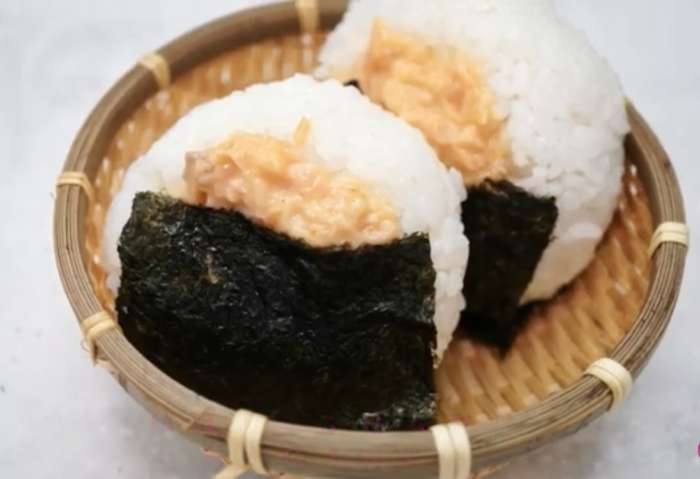
Salmon onigiri is a classic rice ball that can always be found in Japanese convenience stores and supermarkets. This recipe is an arranged version of onigiri with mayonnaise and salmon flakes dressed together. If you like mayonnaise, this is a must try!
Read More
Salmon Onigiri
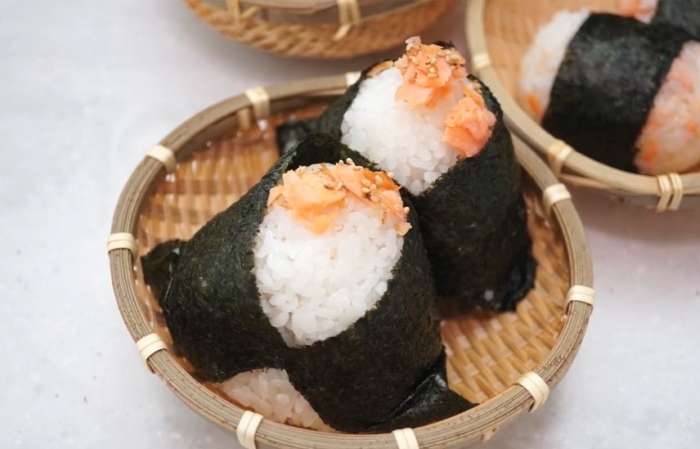
Salmon onigiri is a classic rice ball that can always be found in Japanese convenience stores and supermarkets. It is very simple to make. Grilled salmon is cut into bite-size pieces and wrapped with warm rice. The secret to the delicious taste is to use just the right amount of salt and fresh nori seaweed. I also introduce rice balls made with finely crushed salmon for children.
Read More
Japan Guide : Ikaho Onsen in Gunma (群馬県)
Ikaho Onsen (伊香保温泉)is a historic hot spring resort located in the city of Shibukawa, in the Gunma Prefecture of Japan. It is renowned for its soothing waters and scenic views, nestled on the slopes of Mount Haruna. The onsen has been a popular destination for relaxation and wellness for centuries, dating back to the Edo period.

Ikaho Onsen is also famous for its seasonal beauty, with cherry blossoms in spring, vibrant foliage in autumn, and a peaceful winter atmosphere. The town is an ideal spot for anyone looking to experience traditional Japanese onsen culture in a picturesque setting.

3 Things to do at Ikaho
- Take 2 kinds onsen
In Ikaho, visitors can enjoy two types of hot springs: “golden hot water” and “silvery white water”.
Originally, the only hot spring in Ikaho was “golden hot water” characterized by its color. The golden hot water was called “golden hot water” because the iron contained in the hot water oxidizes and turns a distinctive brownish-brown color. This soft, non-irritating water warms the body from the core and promotes blood circulation, making it especially popular among women as a “fertility hot spring”. It has also been popular as a therapeutic bath for a long time because it is good for recuperating from illnesses and injuries.
The hot spring “Shiragin-no-yu” is colorless and transparent, and its abundant flow of 110 liters per minute was confirmed in recent years. This hot spring is known to be good for recovery from illness and fatigue, as well as for improving health.
Read More
Back to school in Japan
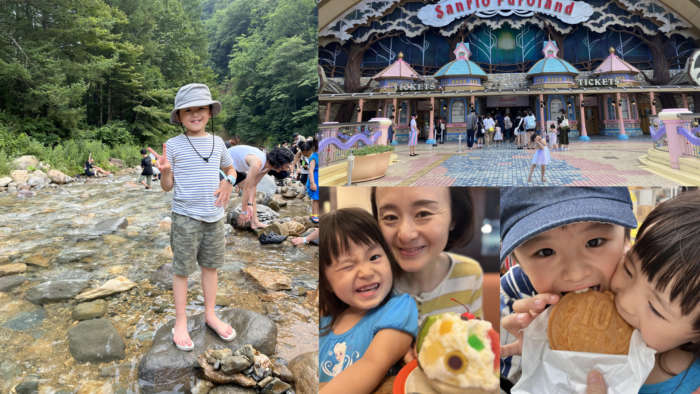
Summer vacation is over. Even our children, a kindergartener and an elementary school student, they seemed to have enjoyed their month-long free time.
My son, an elementary school student, had homework from school. He had to complete Japanese and math assignments on a tablet PC, a one-line diary (with a checklist to see if he helped his parents), a book report, a diary of his observations of mini-tomatoes, a free craft (in his case, making a LEGO creation), and 10 books to read.
There are also many other contests that are free to participate in, such as contests to draw posters on environmental issues, eco ideas, summer- and autumn-themed haiku, piggy bank designs, and so on.
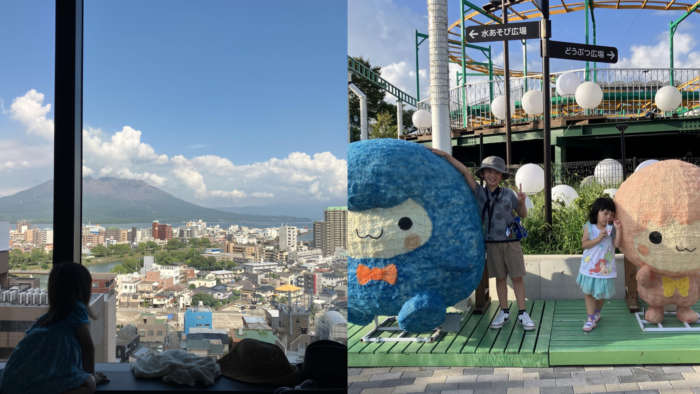
When I was in elementary school, a special booklet called “Summer Vacation Friends” was distributed. I think there was a little more homework, not only Japanese and arithmetic, but also science and social studies.
On the other hand, some schools did not give homework because it was “summer vacation,” which I felt reflected the times.
Do you have homework in your country? I would be very happy if you could tell me what kind of homework you have.
Ehomaki with Meat (BBQ Sushi Roll)
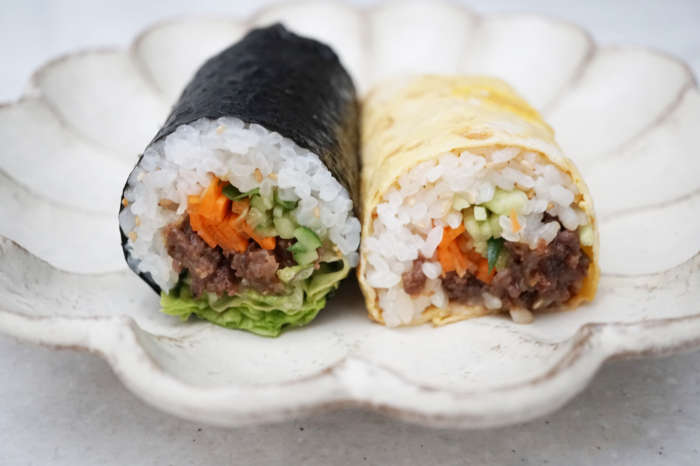
There are various types of sushi rolls in Japan, from thin to thick. Among them, thick rolls filled with a variety of ingredients are called “ehomaki,” and are usually eaten on Setsubun in February. Instead of using raw fish, we’ll use Wagyu Japanese beef seasoned with Yakiniku sauce (Japanese BBQ sauce). And we will make two types sushi roll; one with nori seaweed and the other with thin egg omelette sheet.
Read More
Tuna Mayo Onigiri
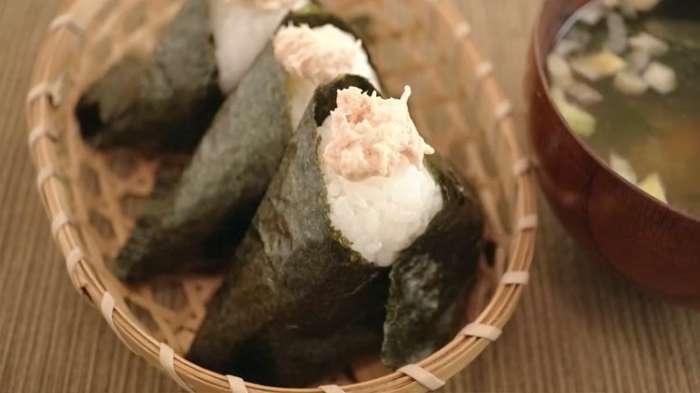
Onigiri is a Japanese rice balls with various fillings inside. There are a variety of ingredients such as pickled plums and bonito-flavored bonito, but the tuna mayo flavor is especially popular among both children and adults. You can easily buy it at convenience stores or supermarkets, but if you have canned tuna and mayonnaise, you can easily make it at home with a difference!
Read More
Tuna Sandwich
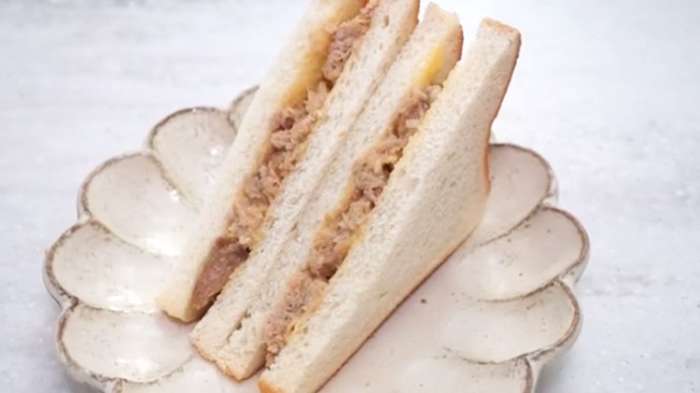
Like my family, many Japanese households keep canned tuna on hand. Perhaps because of this, people often eat tuna salad with mayonnaise. So this time, I made a simple & healthy tuna salad with homemade tuna (canned style) and Japanese mayonnaise, and made a tuna sandwich between two pieces of Japanese bread. Please try it and taste it!
Read More
YJC’s 10th Anniversary !
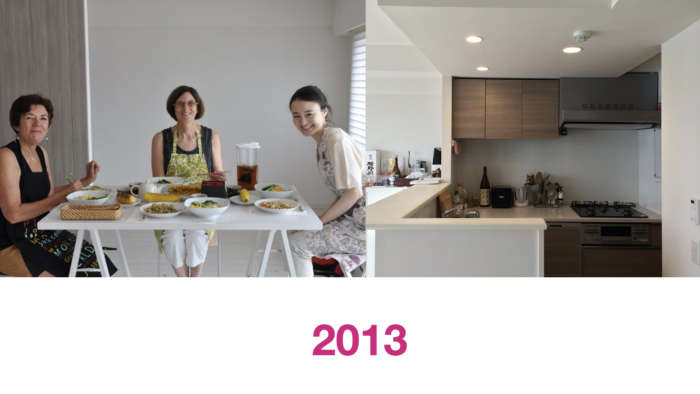
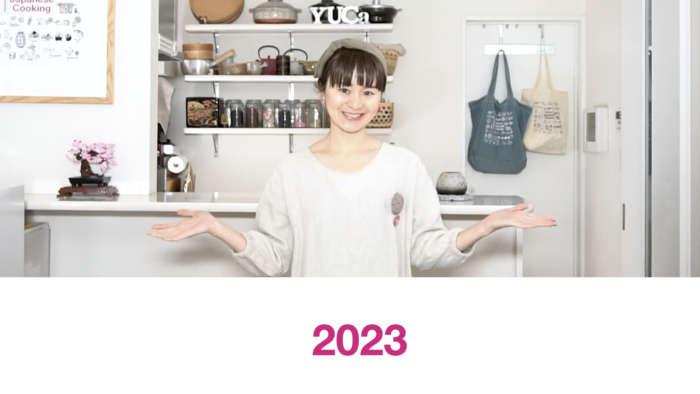
In July 2023, YUCa’s Japanese Cooking celebrated its 10th anniversary!
My first class was on July 9, 2013. I remember how nervous I was to start the first class in a room of the tiny apartment that my husband and I had just bought at the time.
On that day, my two Australian friends joined.
At the memorable first class, we made okonomiyaki, grilled corn, and somen noodles with the “summer festival” theme. Although I managed to finish the class successfully, it was a month later that I was able to hold the next class.
Thanks to the word of mouth from guests who participated in the class helped me to be able to gradually increase the number of classes from once a month to twice a month and then once a week. Now, thankfully, the class is almost full every day.
🙇♀️🙇♀️🙇♀️
During the pandemic (COVID), I started new online classes and filming recipe videos & Vlogs for YouTube. It was a tough time as an entrepreneur but I could survive thanks to my husband and children’s supports. I feel so grateful. ❤️
Over the past 10 years, I have received national and international media coverage of my cooking classes. I was also able to realize my long-time dream of holding cooking classes overseas, in New York. I secretly hope to have more opportunities like this in the future.✈️🌏🎵
As for the future, since this is my 10th year anniversary, I am planning to try new project to further promote Japanese cuisine.
I will let you know as soon as the details are finalized! ✨✨✨
Love from Tokyo 🇯🇵❤️
YUCa