Japanese Home Cooking Class in Tokyo. YUCa's Food & Lifestyle Media from Japan

Trip adviser Google map instagran youtube

In-person Class Schedule

  • Yuka's Japanese Cooking
    2-34-8, Nishiogu116-0011
    Mar 2(Mon) 10:00-12:30

    Ramen & Gyoza

  • Yuka's Japanese Cooking
    2-34-8, Nishiogu116-0011
    Mar 3(Tue) 10:00-12:30

    Ramen & Gyoza

  • Yuka's Japanese Cooking
    2-34-8, Nishiogu116-0011
    Mar 5(Thu) 10:00-12:30

    Ramen & Gyoza

  • Yuka's Japanese Cooking
    2-34-8, Nishiogu116-0011
    Mar 5(Thu) 10:00-12:30

    Japanese Sweets & Tea

  • Yuka's Japanese Cooking
    2-34-8, Nishiogu116-0011
    Mar 6(Fri) 10:00-12:30

    Ramen & Gyoza

  • Yuka's Japanese Cooking
    2-34-8, Nishiogu116-0011
    Mar 9(Mon) 10:00-12:30

    Ramen & Gyoza

See all

Tokyo Guide : Asobono for Kids

Categorised in: | Link of this article

Are you looking for a place to have fun with kids in Tokyo, especially on a rainy day, where they can run around and play? Here’s a recommended spot: ASOBono!, a large indoor playground located in Tokyo Dome City in Chiyoda Ward, Tokyo. It’s a popular spot for families where children can play to their heart’s content!

ASOBono! is designed for children from infants to elementary school students, offering various areas that help enhance their creativity and physical abilities.

Adventure Ocean Area: Right when you enter the facility, this area catches your eye. It features a large ball pit, slides, and plenty of space to move around and play. There are also trampolines, and my kids always start by getting active here.

Crawl Garden Area: This area is dedicated to infants aged 0-24 months, with soft mats laid out for crawling babies. The space is enclosed to prevent babies from wandering too far, and there are age-appropriate play equipment available for them.

Read More

Recipe : Nikujaga

Categorised in: | Link of this article

Nikujaga is known as an important Japanese home meal. “Niku” means meat (and it’s usually Japanese beef for this dish) and “Jaga(-imo)” means potato. Other than Japanese beef and potato, there are carrot and onion. As for color and texture, you can add green beans and Shirataki to add volume. It’s a bit funny but it is said that if young women she can cook this dish very well, she is ready for getting married. What an interesting and important dish!

Read More

Fukagawa meshi

Categorised in: | Link of this article

Fukagawa-meshi is a traditional local dish originating from the Fukagawa area in Koto Ward, Tokyo. It primarily features clams, such as asari (Japanese littleneck clams), and was popularized among fishermen as a quick and easy meal. 

The name comes from the area’s historical association with fishing and water transportation since the Edo period.

Fukagawa-meshi is also recognized as one of the “100 Selected Local Dishes” by Japan’s Ministry of Agriculture, Forestry, and Fisheries. It can also be enjoyed at home, with many recipes highlighting the umami of clams.

Read More

Recipe : Anmitsu

Categorised in: | Link of this article

Anmitsu (あんみつ) is considered as a summer dessert but we can buy it all year around here in Japan. This Japanese style parfait is made of small cubes of agar agar jelly, red bean paste called anko, mochi, various fruits, ice cream (either vanilla or matcha flavor) and boiled red beans. It’s usually served with brown sugar syrup called Kuromitsu that you pour over the Anmitsu before enjoying this sweets.

Read More

Tokyo Guide : Kiyosumi Gardens

Categorised in: | Link of this article

How about having a break from visiting hustle bustle touristy spots in Tokyo and enjoying the Japanese garden? Kiyosumi Gardens (清澄庭園) is a traditional Japanese garden located in Kiyosumi, Koto Ward, Tokyo.

Renowned for its tranquil scenery and historical significance, it is one of Tokyo’s most beautiful gardens. Designed in the Edo and Meiji periods, this garden features a *chisen-kaiyu-shiki* (circuit-style pond) layout, offering visitors a chance to enjoy picturesque landscapes throughout the year. 

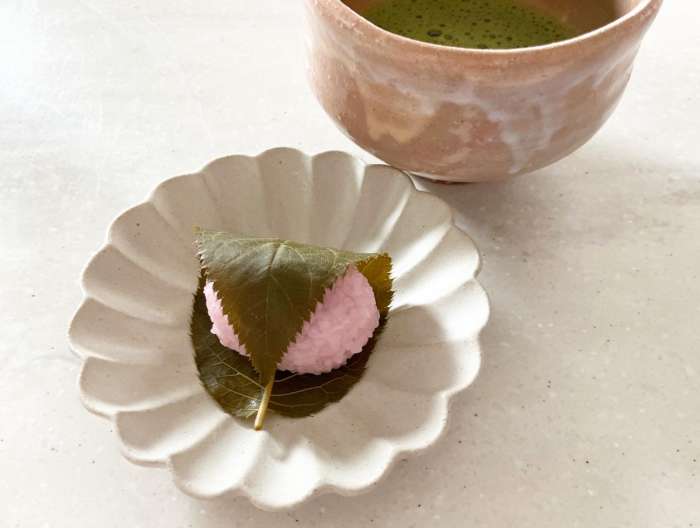
At the teahouse in Kiyosumi Gardens, visitors could enjoy matcha and traditional Japanese sweets.

Read More

Tokyo Guide : Fukagawa Edo Museum

Categorised in: | Link of this article

Fukagawa Edo Museum (深川江戸資料館) is a cultural and historical facility located in Koto Ward, Tokyo, that offers visitors a chance to experience the life and atmosphere of the Edo period (1603–1868).

The museum features a recreated Edo-era townscape, complete with houses, shops, and streets, giving an immersive glimpse into daily life during that time.

Read More

Recipe : Burdock & Hijiki Salad

Categorised in: | Link of this article

Hijiki (dried seaweed) and gobo (Japanese burdock root) are ingredients rich in dietary fiber and packed with nutrients. They also have a great texture, providing a satisfying bite and a sense of fullness. In this recipe, in addition to hijiki and gobo, I also use corn and string beans. This salad allows you to get a combination of iron, vitamins, minerals, and calcium all at once. It’s perfect as a side dish for a bento box or as a make-ahead dish for meal prepping.

Read More

1 : What do Japanese people eat for breakfast?

Categorised in: | Link of this article

In this series, I’ll be sharing questions that our customers have asked!

Q. What do Japanese people eat for breakfast?

A. Generally, many people eat miso soup, white rice, grilled fish, natto, raw eggs or tamagoyaki (rolled omelet), and pickled or boiled vegetables.

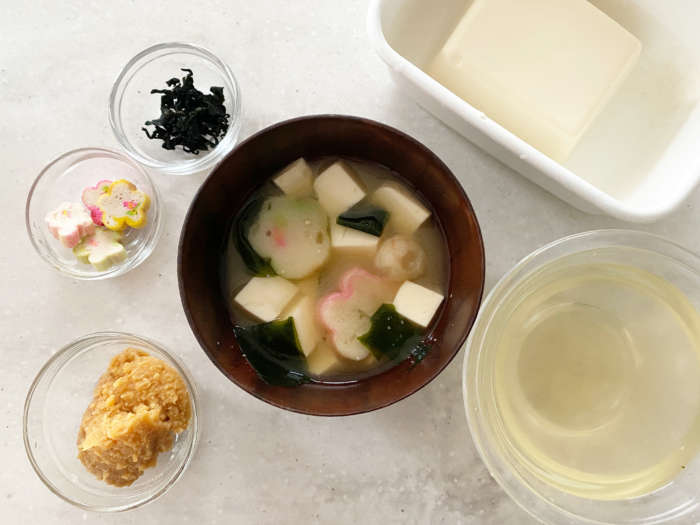
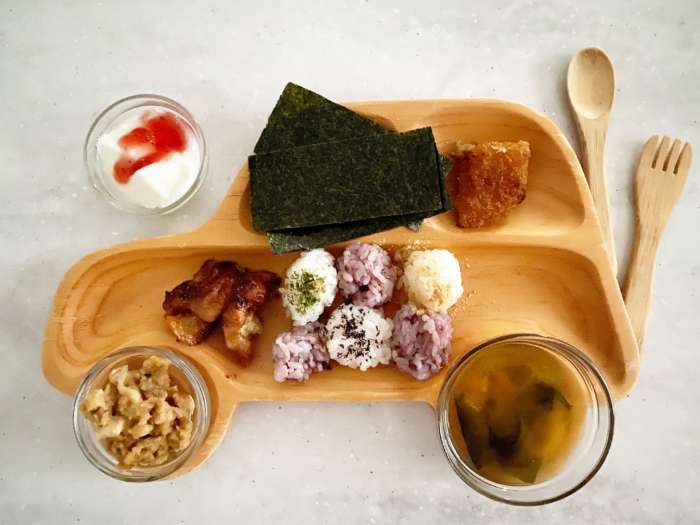
In our house, my son and daughter often want to eat different things, but it’s too much work to cater to each of them individually. So, our typical breakfast includes miso soup with plenty of vegetables and silken tofu, tamagoyaki, and both bread and white rice. To keep things interesting, I switch up the types of bread and prepare the rice as onigiri with various fillings or as ochazuke. If I have extra time, I also add grilled salmon and fruit to the meal.

Tokyo Guide : Yanaka Ginza (谷中銀座)

Categorised in: | Link of this article

Yanaka Ginza is a traditional shopping street located in the Taito ward of Tokyo. The Yanaka area itself is known for its old-fashioned, nostalgic atmosphere and has become a popular spot for both locals and tourists. Yanaka Ginza is at the heart of this area and offers a glimpse into the charm of Tokyo’s Showa-era streets.

The shopping street is lined with small, family-run stores, including local food shops, miscellaneous goods stores, and cafes. There are also many food stalls where visitors can enjoy local snacks like deep-fried sweet buns, grilled skewers, and shaved ice, giving a taste of traditional Japanese street food.

Read More

Annual Events and Food in Japan

Categorised in: | Link of this article

Annual Event & Festive Food In Japan

1st – Shogatsu (New Year) : Osechi(-ryori), Fukubukuro, Shimekazari, Fukuwarai
7th – Nanakusa no Sekku (Seventh-Day New Year) : Nanakusa gayu
11th – Kagami Biraki (Opening the Rice-Cake Offerings) : Oshiruko
15th – Koshogatsu (Small Shogatsu) : Red bean rice porridge
20th – Hatsuka shogatsu : Ozoni

3rd – Setsubun (Seasonal Division) : Ehomaki
8th – Harikuyo (Memorial Service for Needles) : Tofu
10th – Hatsu-uma : Inarizushi

3rd – Hinamatsuri/Momo no Sekku (Doll Festival ) : Chirashizushi
21st – Ohigan (Spring Equinox) : Botamochi

Hanami (Cherry-Blossom Viewing) : Sakuramochi, Dango
8th – Hanamatsuri (Flower Festival)

5th – Tango no sekku,(Children’s Day) : Kashiwa-mochi, Chimaki

Koromogae (Seasonal Change of Clothing)
Around 10th – Nyu-bai : Plum syrup, Umeboshi

7th – Tanabata (Star Festival) : Somen

15th – Obon (Bon Festival) : Vegetable Tempura, Rice Dumplings, Udon, Inari Sushi

15th – Tsukimi (Moon Viewing) : Tsukimi Dango
Ohigan, Autumn Equinox : Ohagi

19th – Choyo no Sekku (Chrysanthemum Festival) : Kiku-zake, Kikuka-cha, Kiku-monaka  *Sept.9 on Lunar Calendar
Undokai, Sports Festival : Bento
Ensoku, School Excursion : Bento

15th – Shichi-go-san (Festive Day for Children) : Osekihan, Chitose-ame, Tai no Shio-yaki

13th – Toshikoshi (Crossing over to a New Year)
Around 22nd or 23rd – Toji (Winter Solstice) : Azuki-gayu, Pumpkin
31st – Omisoka (Last day of the year) : Toshikoshi soba


Display mode

In-person Class Schedule

See all