Japanese Home Cooking Class in Tokyo. YUCa's Food & Lifestyle Media from Japan

Trip adviser Google map instagran youtube

In-person Class Schedule

  • Yuka's Japanese Cooking
    2-34-8, Nishiogu116-0011
    Feb 20(Fri) 10:00-12:30

    Ramen & Gyoza

  • Yuka's Japanese Cooking
    2-34-8, Nishiogu116-0011
    Feb 24(Tue) 10:00-12:30

    Ramen & Gyoza

  • Yuka's Japanese Cooking
    2-34-8, Nishiogu116-0011
    Feb 25(Wed) 10:00-12:30

    Home Meals : Meat/Fish/Vegan

  • Yuka's Japanese Cooking
    2-34-8, Nishiogu116-0011
    Feb 26(Thu) 10:00-12:30

    Ramen & Gyoza

  • Yuka's Japanese Cooking
    2-34-8, Nishiogu116-0011
    Feb 27(Fri) 10:00-12:30

    Ramen & Gyoza

  • Yuka's Japanese Cooking
    2-34-8, Nishiogu116-0011
    Mar 2(Mon) 10:00-12:30

    Ramen & Gyoza

See all

Latest Posts

Ramen ラーメン

Categorised in: | Link of this article

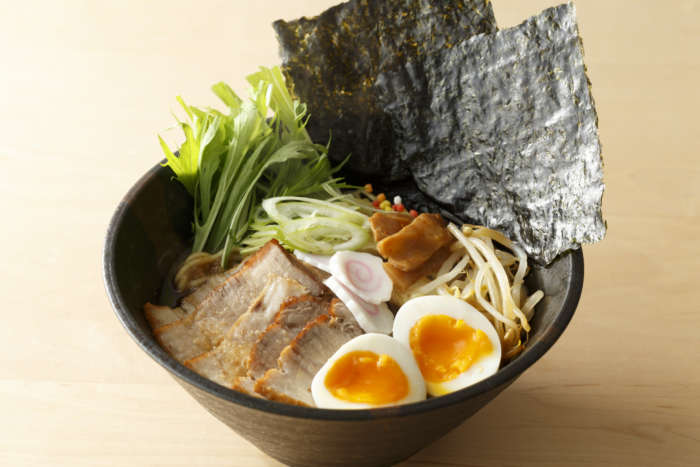
Despite the origin from China, ramen is now a most representative dish of Japan. There are three components of ramen. Soup is made with dashi and seasonings like soy and miso. Chefs develop their own recipes for their soup by combining multiple ingredients, such as pork bones, chicken bones, kombu (kelp), dried fish, vegetables and herbs. Two other components are toppings and noodles. These vary depending on the ramen shop and the region it is produced. Noodles are usually egg noodles and can be thicker or thinner. You can see the dynamic performance of shaking noodles with using noodle strainer at the shop. Ramen toppings reflect the local food culture. Seasoned eggs called Ajitsuke tamago is a must! The classic flavors are miso, salt, soy sauce and tonkotsu (pork bone-based thick soup). Ramen is regionally diverse. Tonkotsu is popular in the south, whereas Shoyu ramen (soy sauce-based ramen) is popular in Tokyo.

Related articles & video :
– Soy sauce based ramen
Japan Guide : Ramen Museum in Yokohama
– Vegetarian Ramen | Japan Travel
– Japan Guide : Ise jingu & Toba | Wagyu ramen, Tofu ice cream etc
– Book : Complete Guide to Japanese Cuisine
Tonjiru (豚汁)

Categorised in: | Link of this article

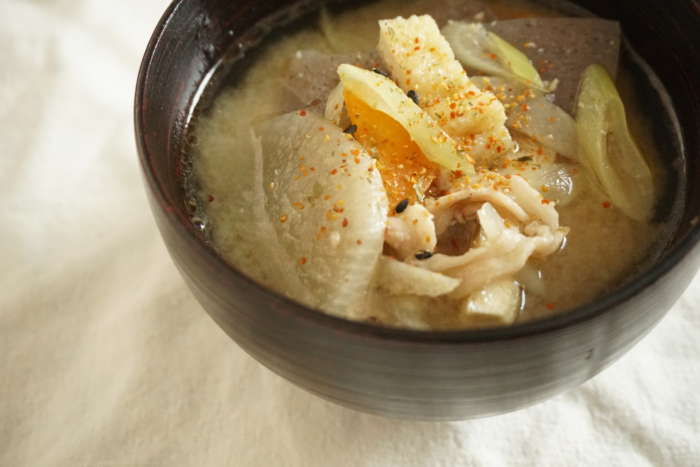
Tonjiru is a comforting and hearty Japanese soup made primarily with pork and miso broth, filled with a variety of vegetables. The word “Ton” means pork, and “Shiru” (or “Jiru”) means soup, making it a pork-based soup. 

Unlike traditional miso soup, which typically contains only a few ingredients, tonjiru is packed with vegetables, making it filling and nutritious. Common ingredients include carrots, onions, potatoes, and konjac, along with pork and miso paste for a rich, savory flavor.

Tonjiru is often considered a nostalgic and comforting dish in Japan, reminding people of gatherings and events. It’s a versatile dish, and if you’re not able to eat pork, you can easily substitute it with chicken or skip the meat altogether for a flavorful vegetable-based soup.

Personal memory : 
Tonjiru reminds me of my youthful days. I remember that I used to eat this dish outside with everyone at various events. And the most unforgettable memory was when my family visited our grandparents’ house in the country side of Fukushima, we cooked Tonjiru with cousins and relatives and eat outside together! After eating, we all had fresh water melon from their field and played fireworks at night. It was so much fun and one of the precious memories for me! Yes, Tonjiru is definitely special dish for me forever!

Recipe :
Tonjiru


Sukiyaki すき焼き

Categorised in: | Link of this article


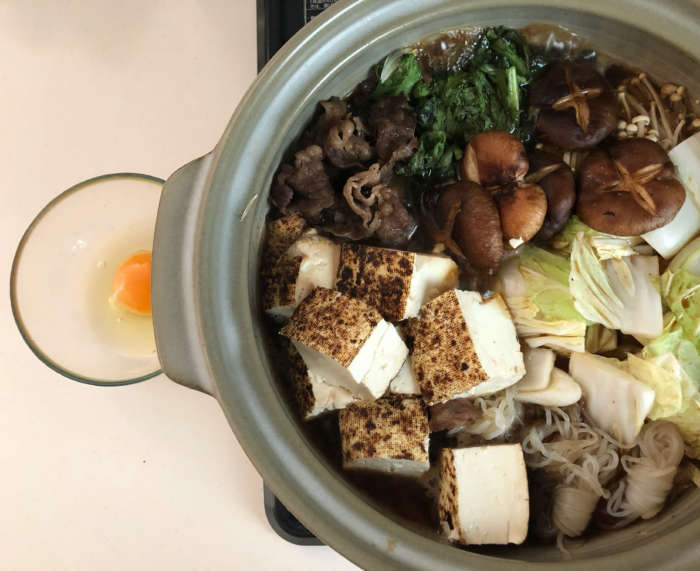
Sukiyaki (すき焼き) is a Japanese style hot pot and has thinly sliced beef, cooked with various vegetables in a table-pot cast-iron pan. The Japanese began eating beef only after 1860s when the western culture flooded into the country. Sukiyaki is now a popular dish same as Sushi, Ramen and Tempura etc. You can eat Sukiyaki at restaurant but we normally cook Sukiyaki at home. Sukiyaki has Japanese beef, Chinese cabbage, chrysanthemum, Japanese green onion, Shiitake mushroom, Grilled tofu and Shirataki (potato noodles). I recommend to use Japanese beef called Wagyu which has good balance of red meat and fat. In Kanto region (Tokyo and nearby area), people make warishita, which is a mixture of soy sauce, sugar, sake and mirin, and add it to the pot little by little. In Kansai region (Osaka and nearby area), there seasonings are directly added to the pot. Once cooked, the ingredients are dipped into a bowl of a raw beaten egg. The hot food cooks the egg and the egg enriches the flavor of the dish.

Related article & video :
Sukiyaki
Book : Complete Guide to Japanese Cuisine
Daigaku Imo (Candied Sweet Potatoes) 大学いも

Categorised in: | Link of this article

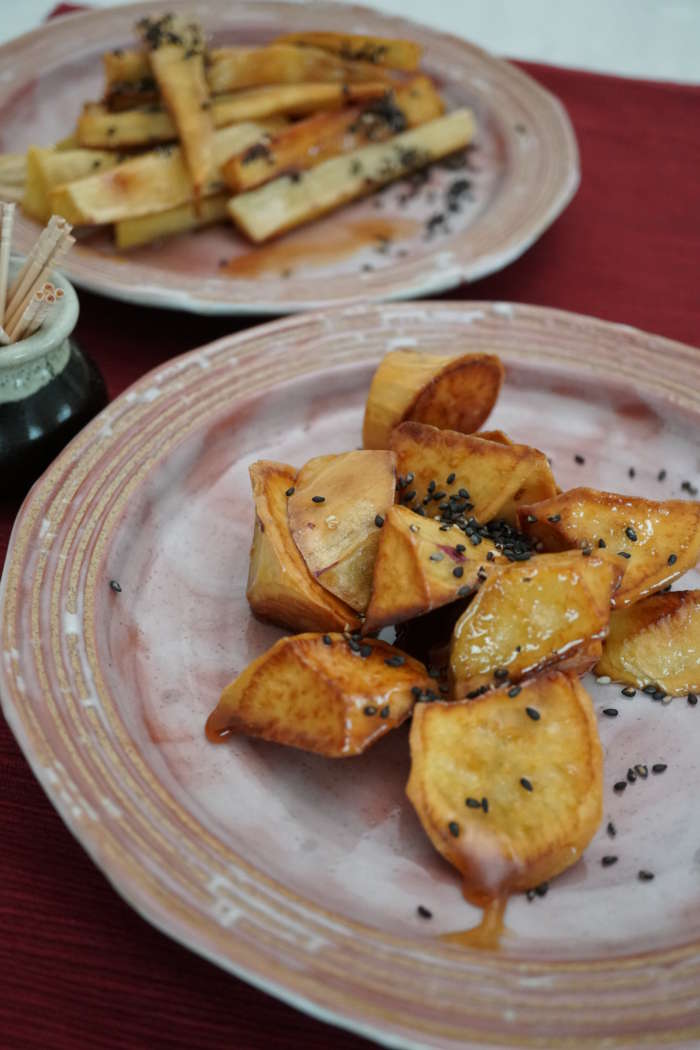
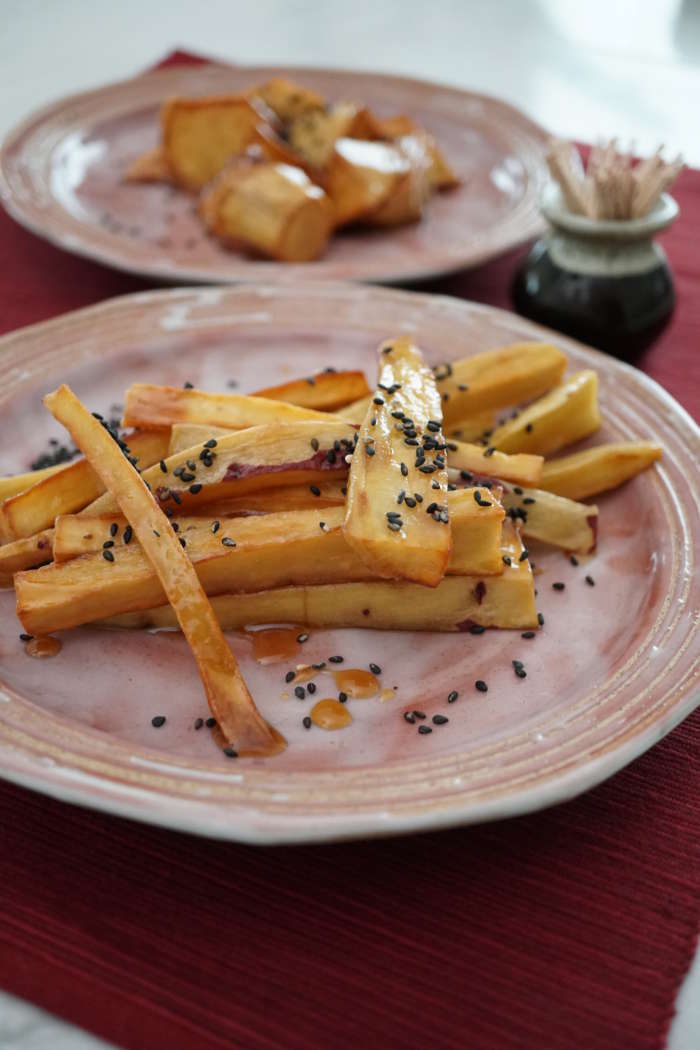
Making the Daigaku Imo takes a little effort, but it is a Japanese sweet that is as popular as roasted sweet potatoes. The crunchy surface and chewy texture are addictive. Moderately sweet caramel syrup is also appetizing. Enjoy with green tea or Hoji-cha (roasted green tea)!

For me, Daigaku Imo was between snacks and meal. When I was young, on days when I had no appetite, I had to eat only the Daigaku Imo that I bought from outside. That is the Daigaku Imo for me.

At my son’s kindergarten, there is an opportunity to experience sweet potato harvesting in the fall. He brings fresh sweet potatoes at home. It’s too much for my family, so I usually distribute them to my neighbors and moms. Other than that, I usually just grill it or use for the Nikujaga and the Japanese curry rice instead of potatoes.

  • What is Daigaku Imo ?

This sweet syrup-covered sweet potato is called “Daigaku Imo” in Japanese and is a sweet snack made from fried sweet potatoes covered with hard sugar cane.

“Daigaku” means the university and “Imo” means potatoes in general. You may wonder why it’s called “University”. There are several stories but I heard that there was a student from the Tokyo University who made this Daigaku Imo and sold at school to earn money for his study.

  • About Japanese sweet potatoes (Satsumaimo)

The Japanese sweet potatoes have purple color outside and beautiful creamy yellow color on the inside. These Japanese sweet potatoes are very popular overseas, and recently, branded potatoes like Japanese beef have come out. There are Beni Haruka(紅はるか), Anno Imo(安納芋), Beni Azuma(紅あずま), Silk sweet(シルクスイート) etc.

  • Watch How To Make Daigaku Imo

Recipe : Daigaku Imo

Editor’s Note: This post was originally published on July 10, 2015. The post has been updated in September 20, 2020 with more information for the dish and with new images.

Display mode

In-person Class Schedule

See all