Latest Posts
Children’s Day (Tango no sekku) 端午の節句
Children’s Day is a Japanese national holiday which takes place annually on May 5th, and it is part of Golden Week Holidays. The day was originally called “Tango no Sekku”, or Boy’s Festival, was celebrated in order to wish the healthy growth of the boys in the family.
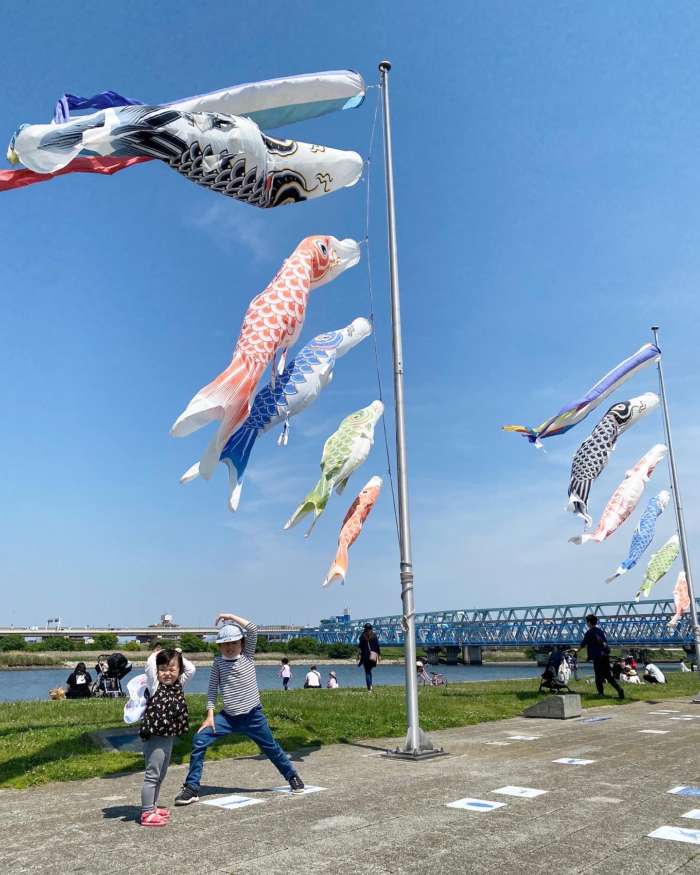
Outside of their houses, families with boys fly large carp streamers called “Koinobori”. Inside they display various kinds of warrior dolls or ornamental helmets called Kabuto because they are believed to be symbols of strength and vitality. At night, people put iris leaves and roots in the bath. It is believed that it will purge noxious vapor.
In 1948, this day was designated a national holiday and renamed “Children Day”. It is now a day for boys and girls to celebrate together.
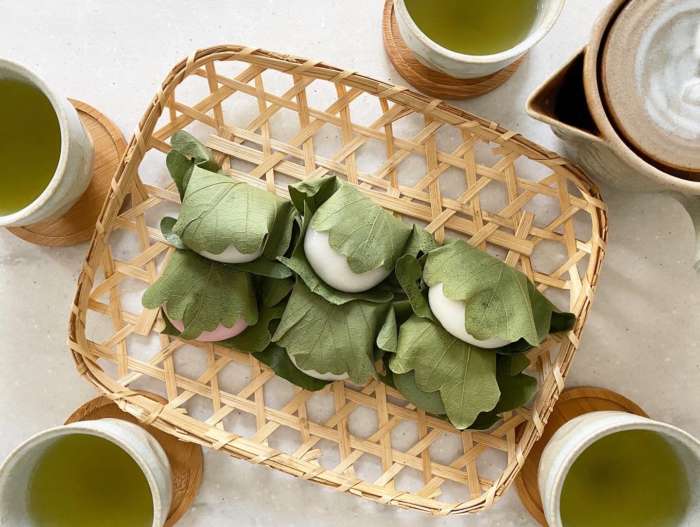
Traditional foods such as “kashiwa-mochi” and “chimaki” are eaten on that day. Kashiwamochi is steamed dumplings filled with sweet red bean paste and wrapped in oak leaves. Oak trees don’t drop their leaves until new shoots have begun to appear. The leaved represents the wish for continuation of the family line and are thus an auspicious part of these traditional sweets.
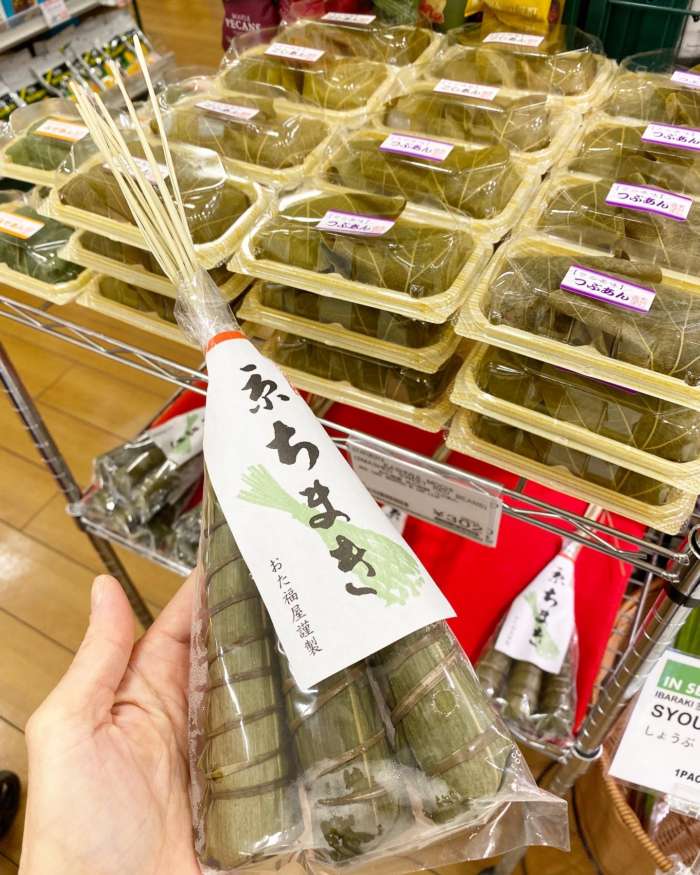
Chimaki is also dumplings made of glutinous rice, wrapped in bamboo leaves and tied with a piece of rush. This type of sweets came from China and is seen in various forms around Japan.
Iris leaves and roots are also used in baths. It is believed that putting iris leaves and roots in the bath can ward off evil spirits.
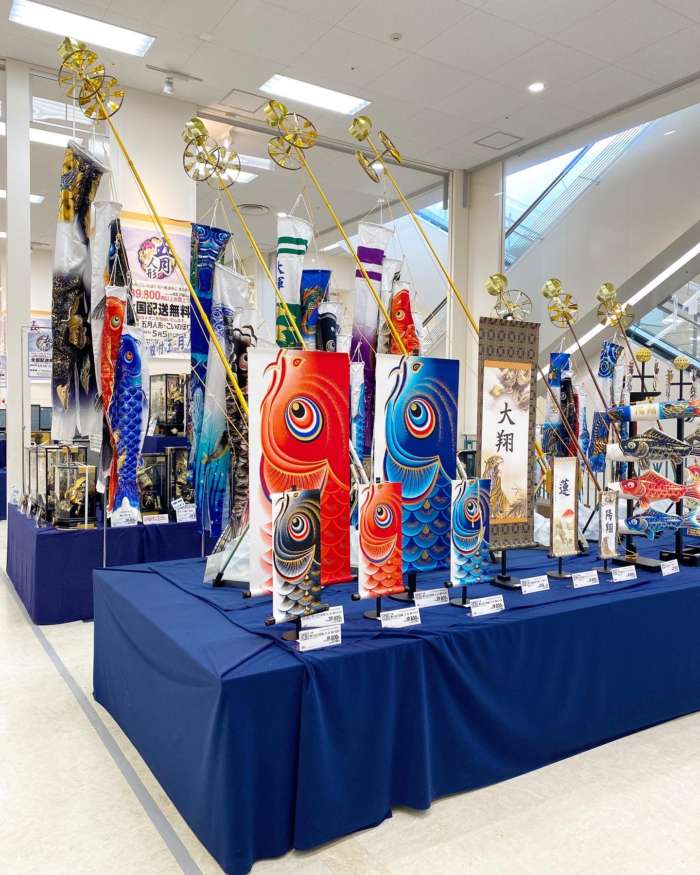
Koinobori (Carp Streamers, こいのぼり) sold at the store. During the Edo period, common people began to make banners in the shape of carp because according to an old Chinese legend, there was a carp which swam upstream all the way to heaven and turned into a dragon. Parents who want their sons to grow up strong and brave so to this day, in the month of May people have continued the practice of flying koinobori. They are usually seen with the streamers on top and the black, red and blue carps below.
During this season in very olden times, from about the 7th century, people observed customs which had come from China. May was thought to be an unlucky month so in order to drive away evil spirits, ordinary working people picked certain plants which were valued for their medicinal powers and made potions or decorative dolls to hand in the doorways.
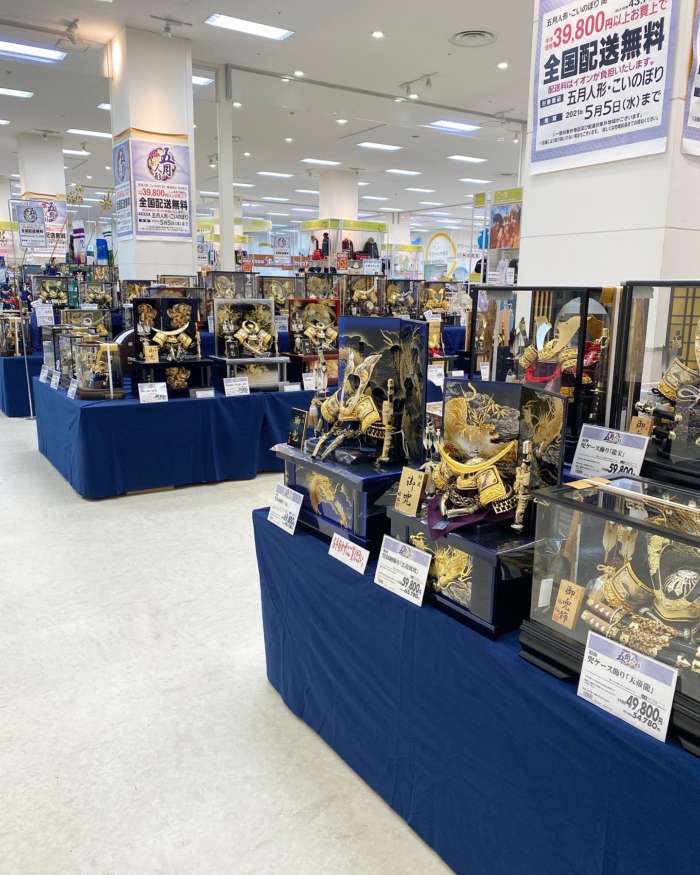
In later years, from the Edo period, they began to display warrior dolls, helmets and banners which symbolized people’s hopes that their sons would grow up into strong and brave young men.
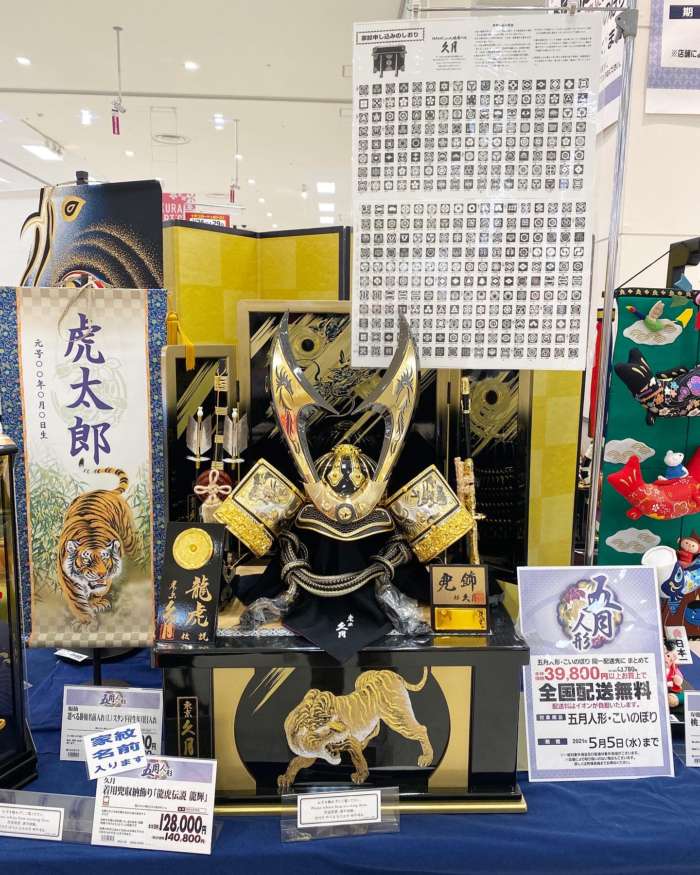
This was the most expensive warrior doll set in this shop!
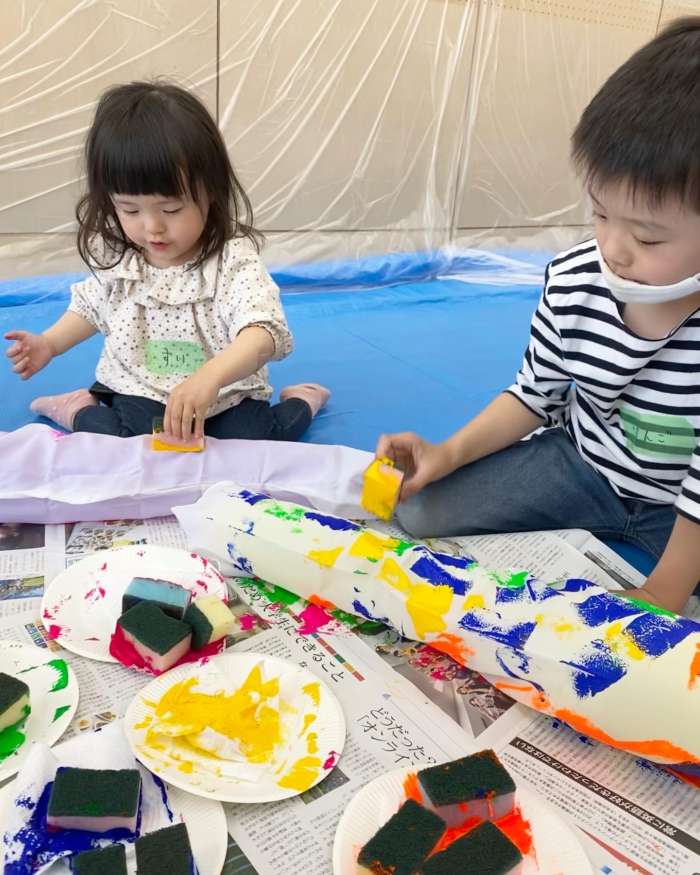
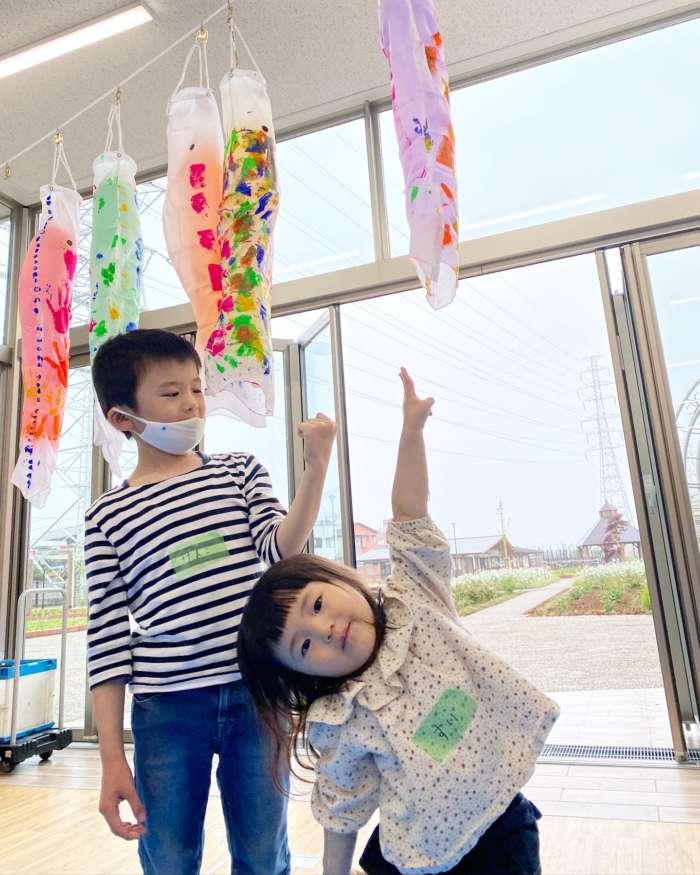
This year, Kengo and Sui took part in the workshop to make koinobori. Their koinobori was so colorful and we all loved it 😍!!!
Memo:
Are you interested in more about Japanese culture & events? Check here!
School Lunches In Japan
In Japan, school lunches are provided at some kindergartens and almost all nursery schools, elementary schools, and junior high schools.
Both my daughter, who currently attends nursery school, and my son, who attends elementary school, receive school lunches every day.
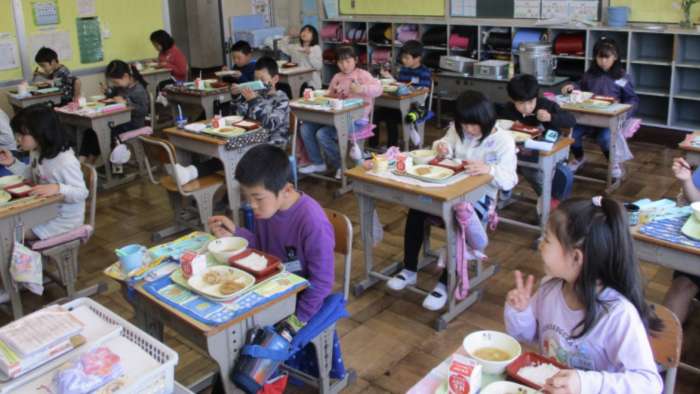
At my son’s kindergarten, he brought his own spoon & fork and chopsticks, but at my daughter’s nursery school and my son’s elementary school prepare for them. In my son’s case, he now brings his own luncheon mat every day. In addition to this, during the week when he is on school lunch duty, he brings a laundered apron, a triangular hood and a mask every day.
A Japanese school lunch consists of milk, soup, carbohydrate (rice, noodles, bread), main dish, side dish, and fruit.
 School lunch menus are prepared by a dietitian, taking into consideration event meals and seasonal ingredients. The menus are then distributed to all students approximately two weeks in advance. The menu list at my son’s elementary school includes a note for each day, which includes information about the producer, ingredients, and trivia about the menu.
At the daycare center where I worked, we also had a 10:00 a.m. snack, so four to five people started cooking at 8:00 a.m. and made snacks & school lunches for about 200 students in less than three hours.
Some of the children needed to eliminate certain foods due to allergies or religious reasons, so I prepared separate school lunches with different cooking methods and ingredients for a few of them. And every day, without fail, the principal tasted and checked the food.
At lunch time, the students would turn their desks around and divide into several groups. (Currently at Corona Disaster, everyone seems to eat facing forward.)
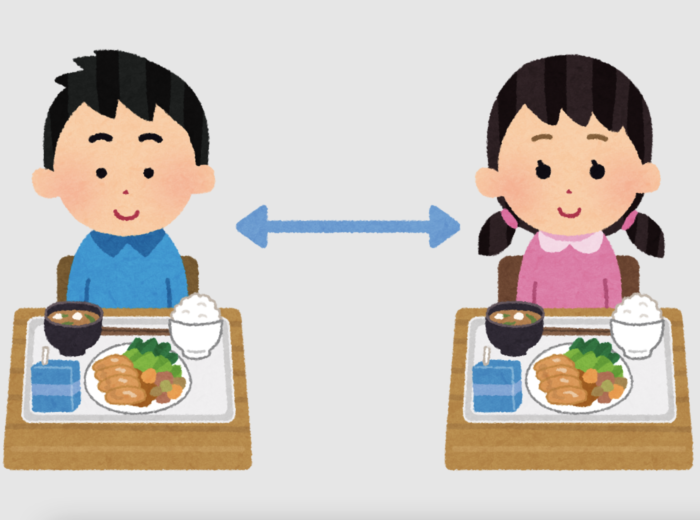
Students on lunch duty serve the food assigned to them. Students who are not on lunch duty line up in single file and place one dish on each of their trays.
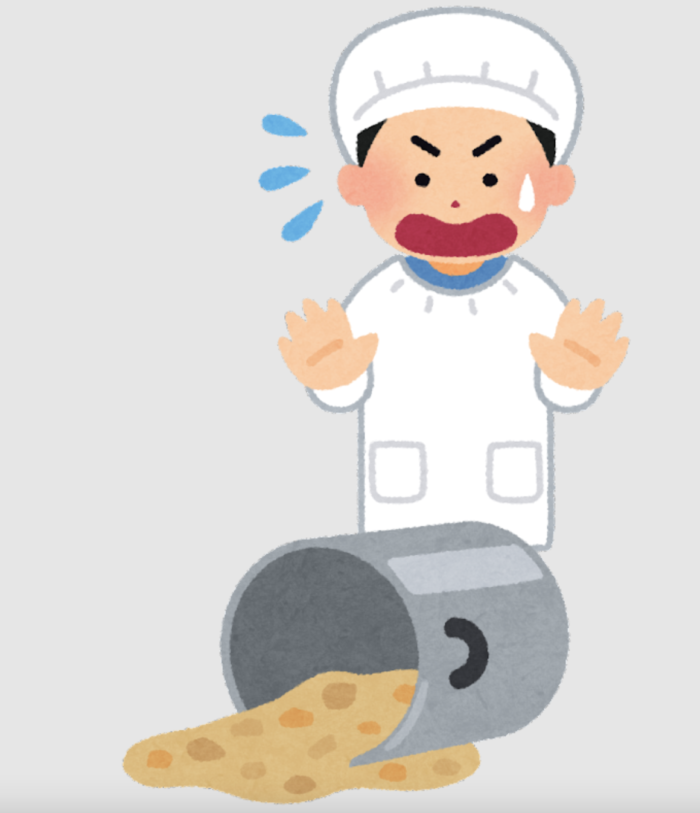 When lunch duty is over and everyone is seated, they greet each other with “Itadakimasu!” and begin to eat their lunch in unison. The teacher joins the students and eats with them. If there is leftover food, the children who want to eat it play rock-paper-scissors to get it. When they are done eating, the lunch duty person takes the dishes and leftovers to a designated area. After lunch and after school, the whole class cleans up the classroom. This sequence of events is what I consider “Japanese school lunch”.
Fu (Wheat Gluten) 麩
Fu (麸) is a processed food made mainly from gluten. Gluten is produced by kneading wheat flour with water. Since there is still some starch left after just kneading the flour, it is put in a cloth bag and rubbed in water, and the gluten left in the bag is used for fu.
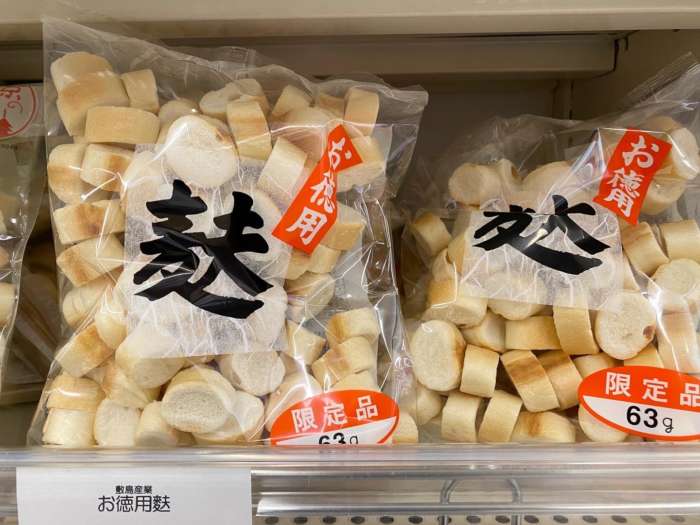
History of fu:
It is said that the production method of fu was introduced by Zen monks who came from Ming Dynasty China in the early Muromachi Period (1336-1573). Fu, along with tofu, was an ingredient to supplement protein, which was often lacking in vegetarian cuisine at that time.
In those days, the number of domestic wheat crops was small and wheat was expensive, so fu was a food for special occasions at court and temples. For this reason, the culture of fu developed in Kyoto, where temples and shrines and the Imperial Palace are located.
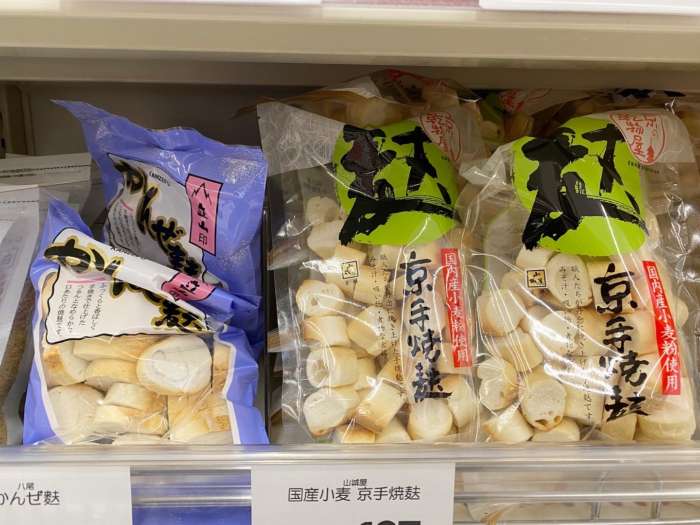
In the Momoyama period (1573-1600), a confection called “Funoyaki” appeared in documents. It is written in the “Chakai-ki” that “Funoyaki” often appeared as a rare sweet at the “Tensho Tea Ceremony 100 Seats” held by Hideyoshi Toyotomi and Sen no Rikyu, and that Rikyu was fond of it. Even today, “funoyaki” is used as a tea confectionery, rolled up like a crepe or shaped like a rusk.
Read More
Ohanami (Cherry Blossom Viewing)
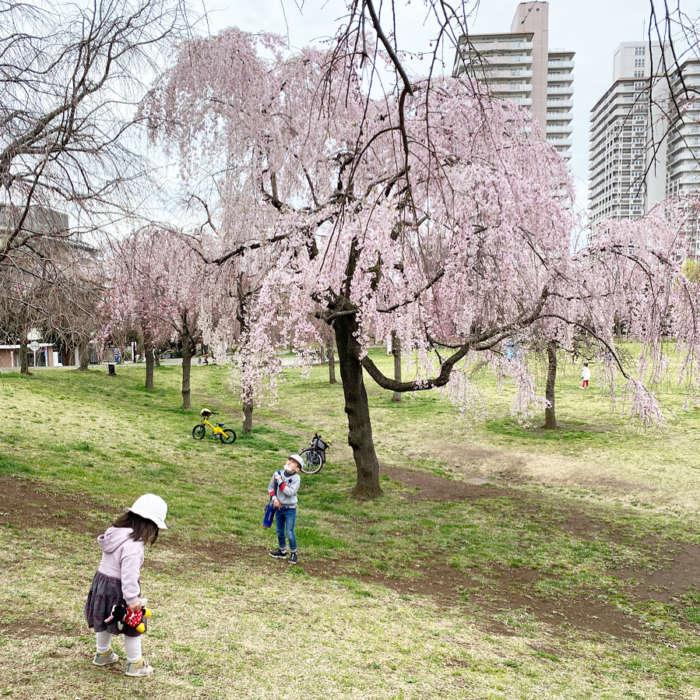
Hanami is an ancient Japanese custom of enjoying the beauty of fleeting flowers. Flowers here refer specifically to cherry blossoms. Cherry blossoms bloom throughout Japan from late March to early May. In Okinawa, the warmest part of Japan, cherry blossoms begin to bloom as early as February.
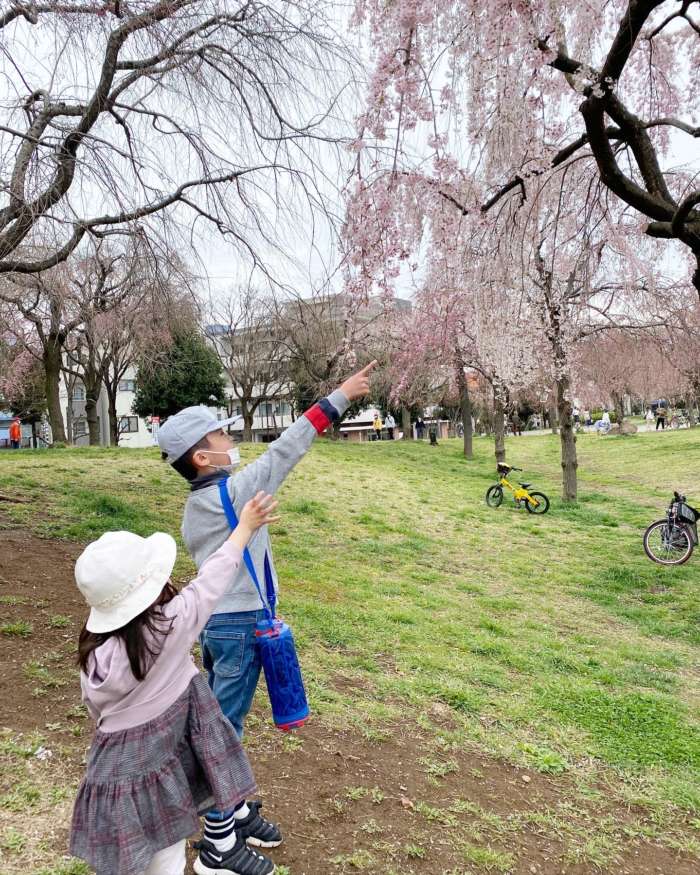
Every year, the Japan Meteorological Agency announces the “cherry blossom front”. Since the cherry blossoms bloom only a week or two apart, people planning to view cherry blossoms are glued to the weather forecast section of TV programs every day.
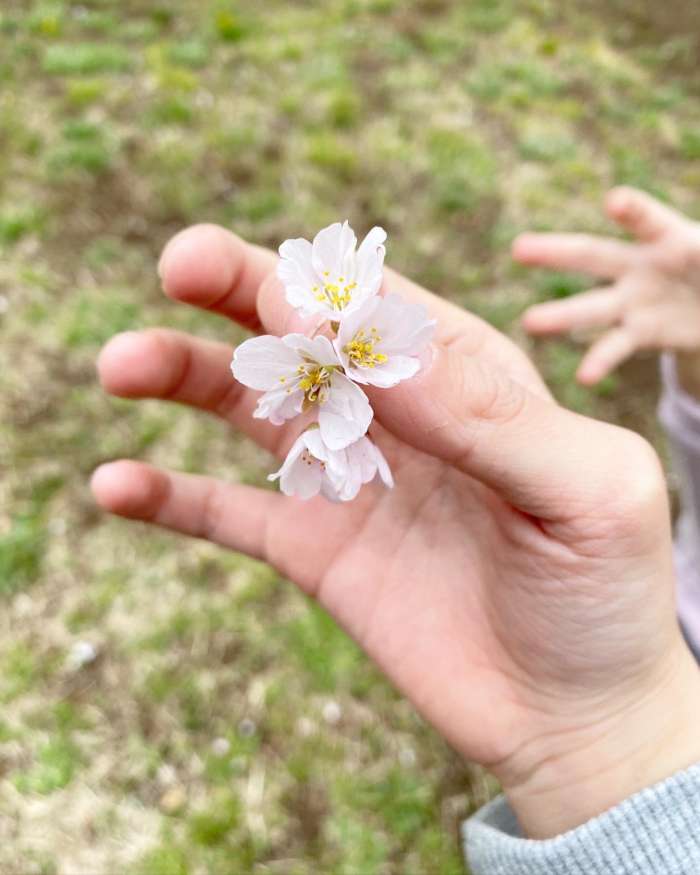
In modern Japan, hanami is usually held during the day or at night, with a party under the cherry blossoms. In particular, nighttime hanami is known as “yozakura,”(夜桜). In recent years, people have refrained from doing so due to the Corona disaster, but many places usually hang temporary lanterns for nighttime cherry blossom viewing.
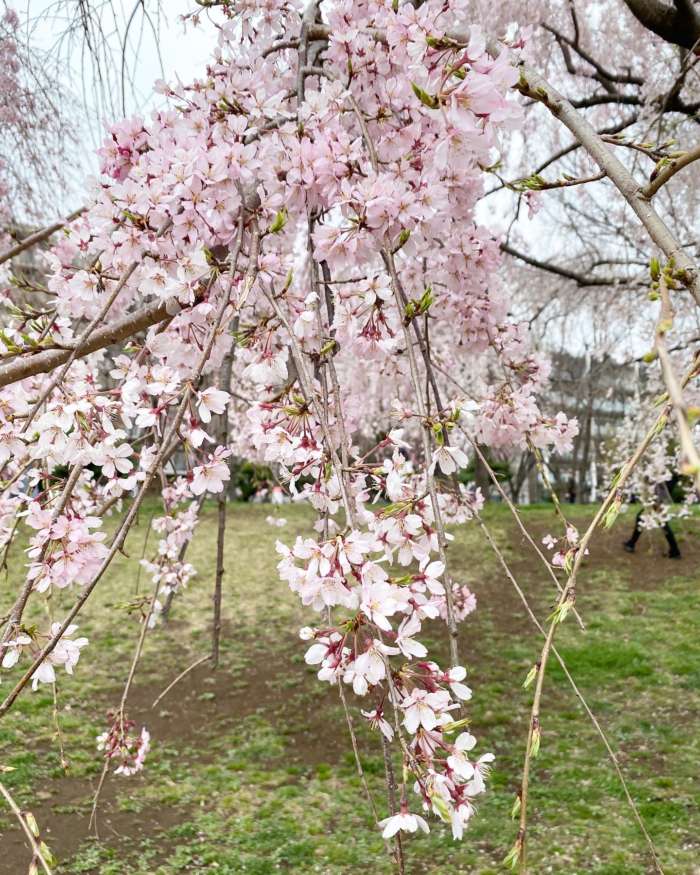
Foods traditionally associated with flower viewing are…
– Hanami-dango (Tricolor sweet dumplings on sticks)
– Sakuramochi (Cherry blossom rice dumplings with bean paste on the inside, wrapped in an edible pickled cherry leaf)
– O-hanami-bento (Traditional Flower-Viewing lunch box)
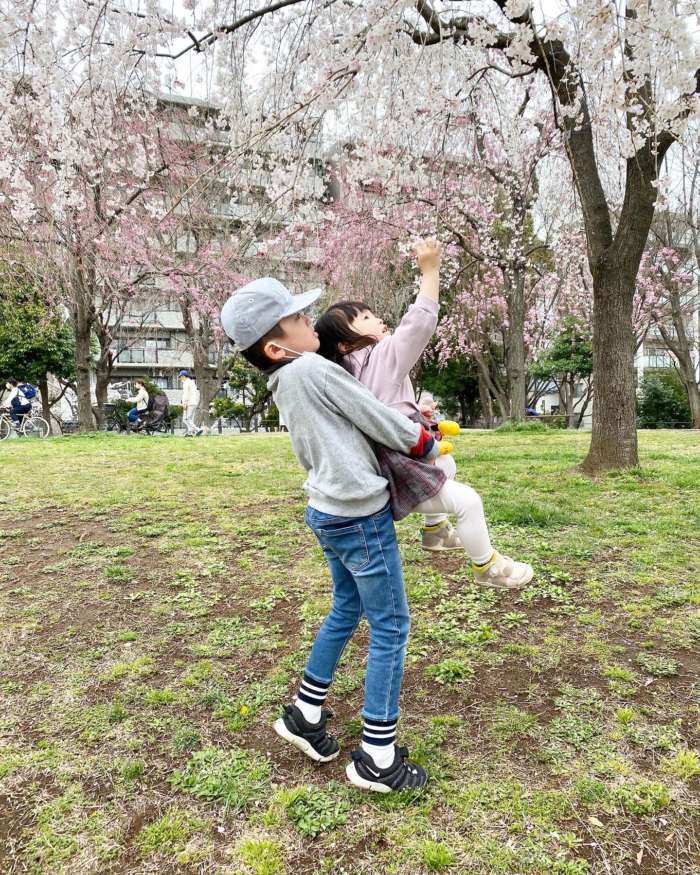
Collaboration Class with Kokoro Cares
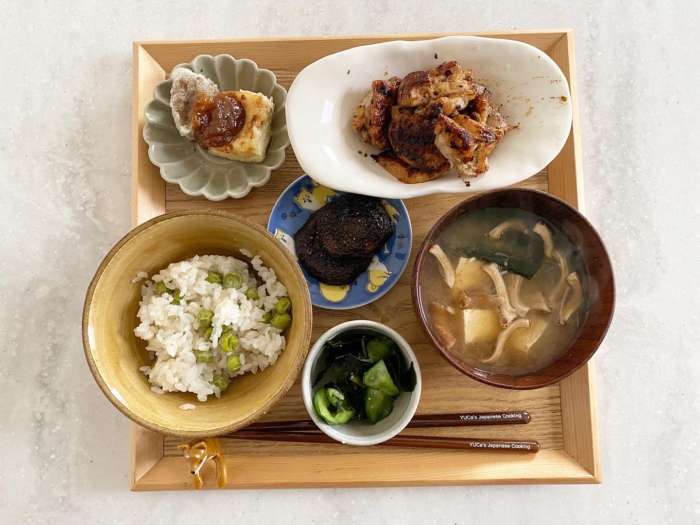
The first collaboration class with Kokoro Cares was success!
I taught 6 dishes in 60 minutes ⏰
I usually make time to prepare many of the prep meals three times a week in bulk. This frees me up from having to think about the menu every day and allows me to have other free time.
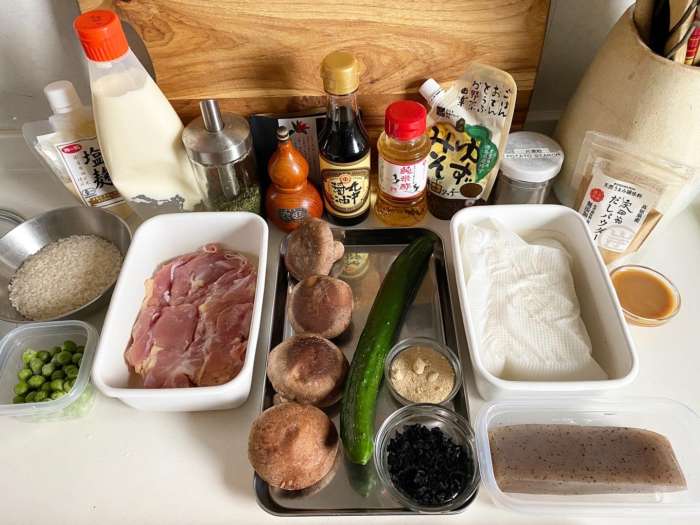
The recipe is for two servings, but if doubled or tripled, it will provide 3-4 days of prep meals. If you plan the menu in advance, as I did in this class, you can use fewer ingredients, which results in saving money. Highly recommended!
There are still a few openings in the class, so if you are interested in this class, please message me directly or visit the linked homepage in the story in my profile. (Vegan, Halal etc. other options are available!)
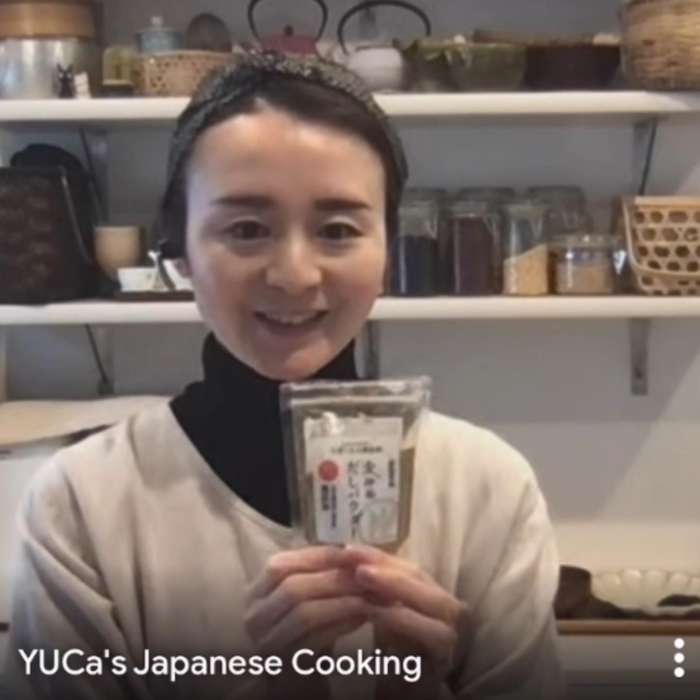 If you are interested in joining this special class, please book your date from here!
4 spots (dates) are still available!
– March 28th, 10:00am (JST)
– April 11th, 10:00am (JST)
– April 18th, 10:00am (JST)
– April 25th, 10:00am (JST)
↓ ↓ ↓
Healthy Japanese Meals Class (March & April 2022)
Hinamatsuri (Japanese Doll Festival / Girls’ Festival)
The 3rd of March is the traditional and representative spring event day called “Hina Matsuri” in Japan.
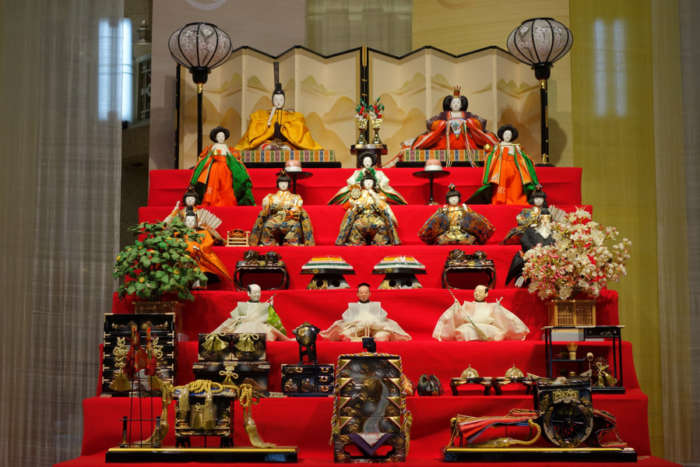
Hina Matsuri (ひなまつり) is a special time to pray for the growth and happiness of Japanese girls. It is also called “Peach-Blossom Festival” because in olden times, people believed that peach blossoms had special powers to drive away evil spirits. According to the lunar calendar, peach blossoms were in full bloom around March 3. This is the reason that even today peach blossoms are always displayed together with Japanese dolls called Hina Ningyo (ひな人形).
There is a tradition if the baby is a girl, the parents of the mother give a traditional dolls called Hina-kazari (ひな飾り) to their daughter’s family. Hina-kazari is a traditional dolls of Emperor, Empress, their servants and accessories on the tiered stand.
In very ancient times, display stands used to consist of just two or three tiers but over the years they grew more elaborate and gorgeous. I had 7 tier Hina-kazari at my house and my younger brother always tried to climb up. His heroic story is still α hot topic every year among my family. His heroic story is still a hot topic every year.
This day, parents having daughter invite their families and friends to celebrate this event. They display Hina-kazari and serve guests traditional dishes. When I was a child, my family always celebrated the Hina Matsuri together. So, this event reminds me of my childhood every year.
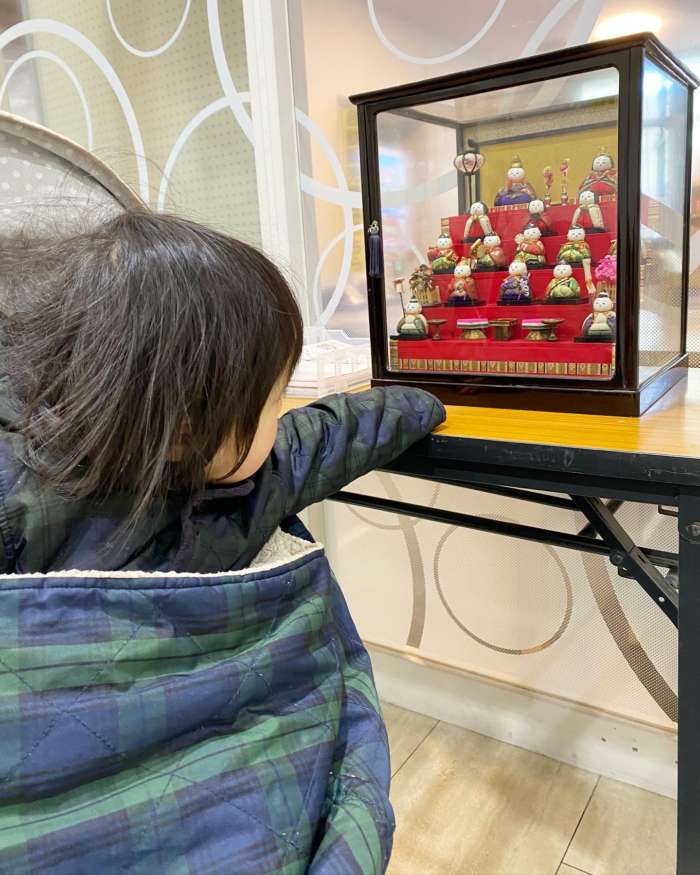
Home Party Menu Ideas
If you are planning to celebrate this Japanese family event, here are the recipes that we prepare here in Japan and also I recommend for home party.
🌸 Main : Chirashizushi (Chirashi Sushi), Cup Chirashi Sushi
🌸 Soup : Hamaguri no osuimono (Cherrystone clam soup)
🌸 Side dish : Potato Salad / Chawanmushi
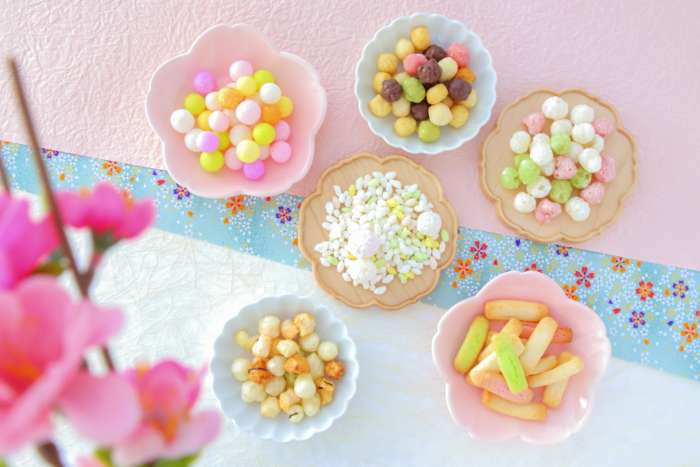
🌸 Dessert : Sakura Mochi / Hinaarare / Hishimochi
🌸 Drink : Amazake
Do you know this?
It is important to dismantle the display and put away the dolls as soon as the festival is over. The dolls’ faces are covered with special soft paper and each item is carefully wrapped and retuned to its designated box.
People have traditionally believed that if the dolls are kept out for too long after the festival, the daughter of the family will have a hard time getting married. I remember that my mother was rushing to clean up when the Hinamatsuri was over. I hope her annual effort worked!
Hatsuuma
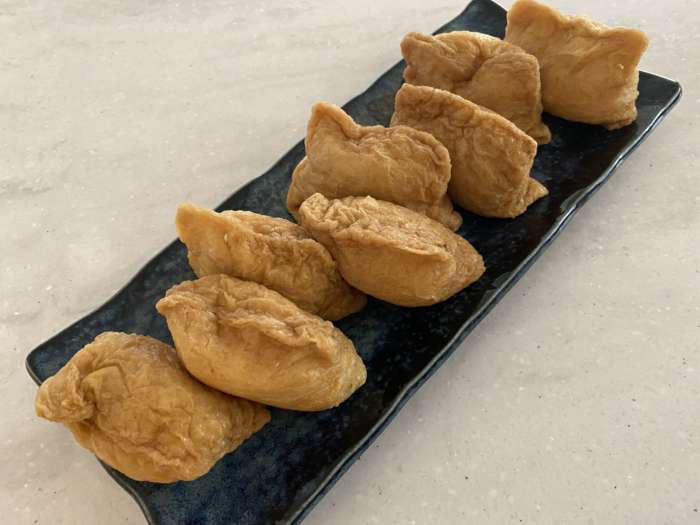
The first Day of the Horse in February is called Hatsu-uma. On this day large festivals are held at Inari shrines all over Japan to pray for a good harvest and increased fortune. Inari is the name of the god of farming and Inari Shrines have been very important in people’s lives.
Foxes are believed to be messengers of the god of farming so people make offerings to foxes of their favorite food which is deep-fried bean curd formed into pockets and filled with sushi rice.
In some regions people offer Hatsu-uma dumplings and pray for prosperity in business.
Related food :
Recipe : Inarizushi (Inari Sushi)
Harikuyo (Memorial Service for Needles)
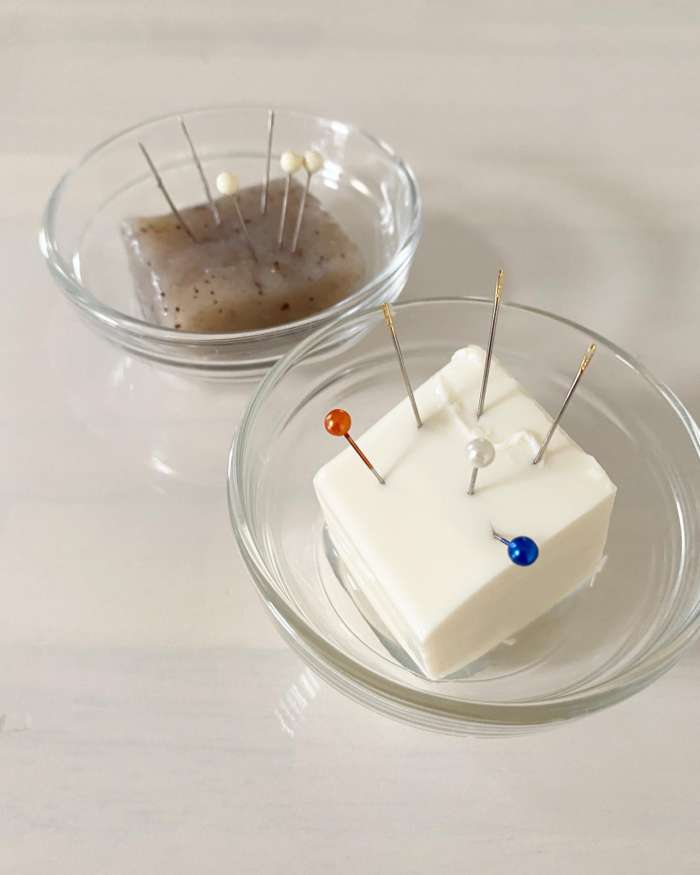
Do you sew clothing for yourself using needle and thread?
In Japan, sewing was an essential part of everyday life long time ago.
On February 8, women took a day off from their sewing responsibilities and collected the old needles they had used during the previous year. This memorial service for needles is called “Harikuyo” (針供養).
People stuck the needles into a block of tofu or other soft things like cakes of konnyaku (gelatin made from the root of a plant called devil’s tongue). They gave thanks and offered prayers for the repose of the needles. They also prayed for improvement in their sewing skills.
There are some shrines today that perform memorial services for needles. This important tradition is still kept at schools which teach kimono-sewing skills and also at dressmaking schools.
Since my son entered kindergarten, I have more opportunities to sew. To be honest, I’m not good at sewing, but I want to do my best as much as I can. With that in mind, I prepared tofu and konnyaku and offered this event.
Setsubun (Seasonal Division)
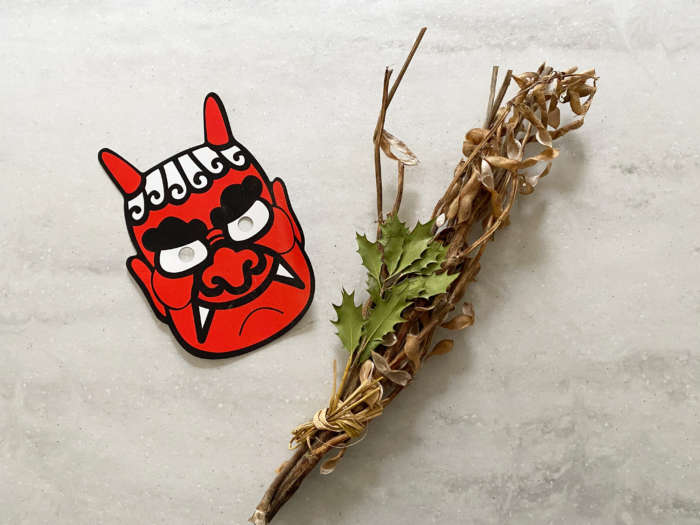
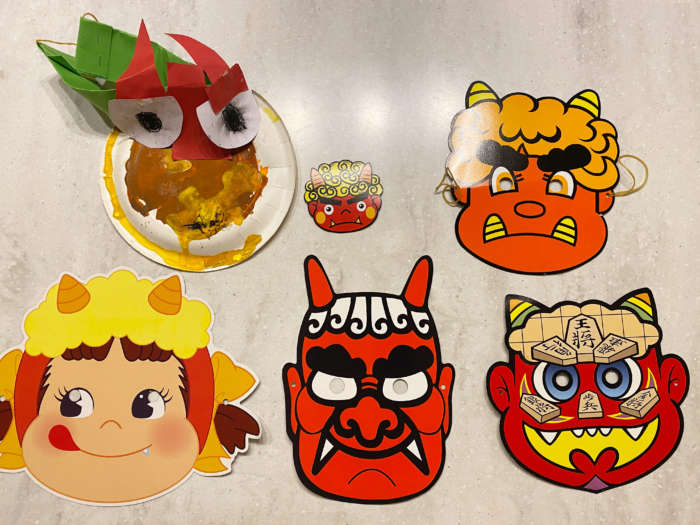
Setsubun (節分) comes as soon as the fluttering January is over. Setsubun is a seasonal division and has been an important time-honored rite to welcome the New Year by banishing evils and keep the house from calamity.
On the day, we eat “Eho-maki”, sushi roll containing 7 ingredients associated with the Seven Deities of Good Fortune “Shichi-fukujin”, facing the direction of Eho that is most lucky for the year as determined by the Way of Yin and Yang.
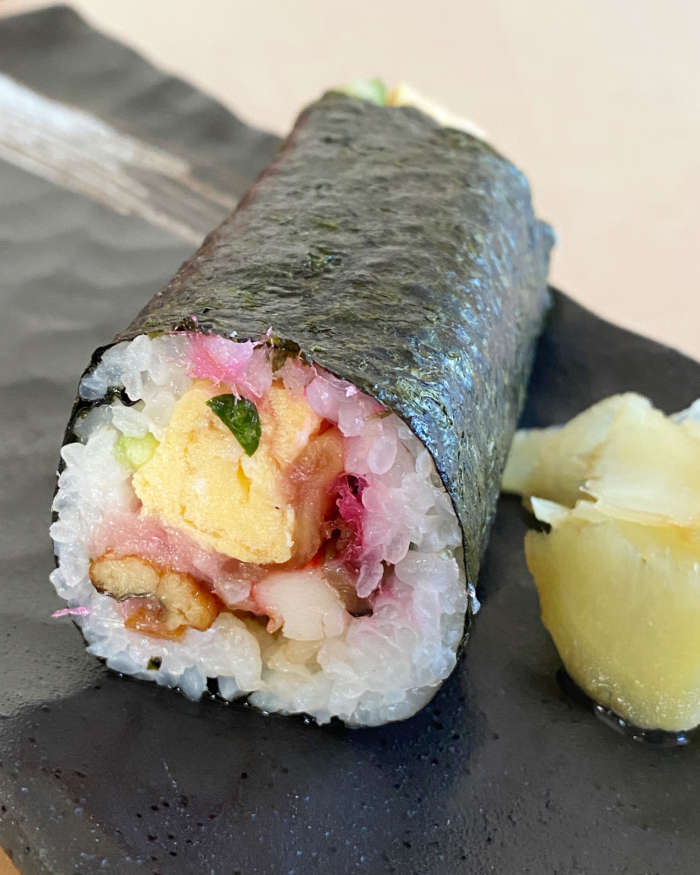
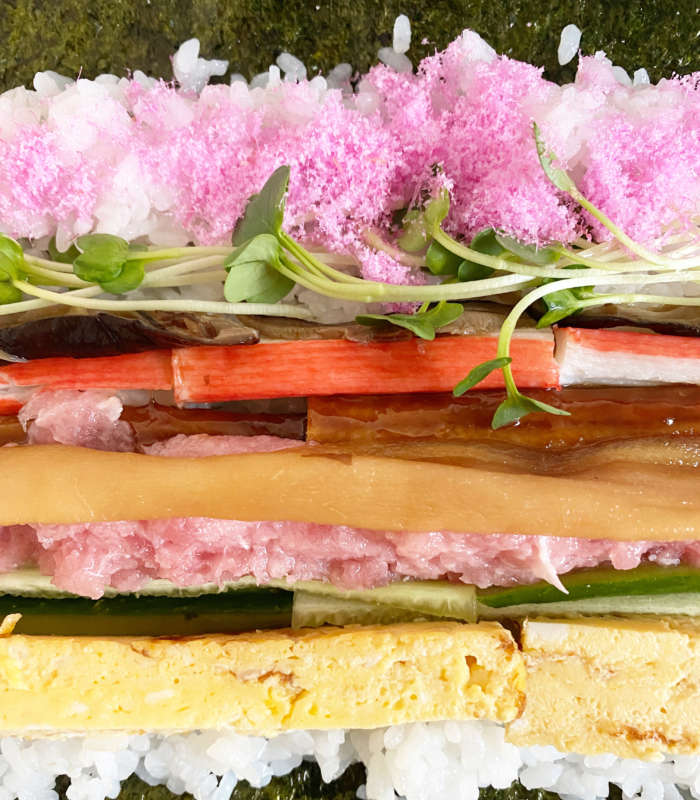
The other day, I made my-style Ehomaki and I put more than 7 ingredients! I put Japanese omelette, Cucumber, Minced tuna, Kanpyo(seasoned dried gourd strips), Anago(conger eel), Kanikama(fake crab meat), Seasoned shiitake mushrooms, Sprouts and Denbu(sweetened fish powder colored in pink). It is also customary to eat Eho-maki while making a wish in the mind with the eyes closed and without uttering a single word. You will eat the whole roll at a stroke in order not to lose ties.
If you are interested in making thick sushi roll, please check this recipe! : Thick Sushi Roll
Hatsuka Shogatsu
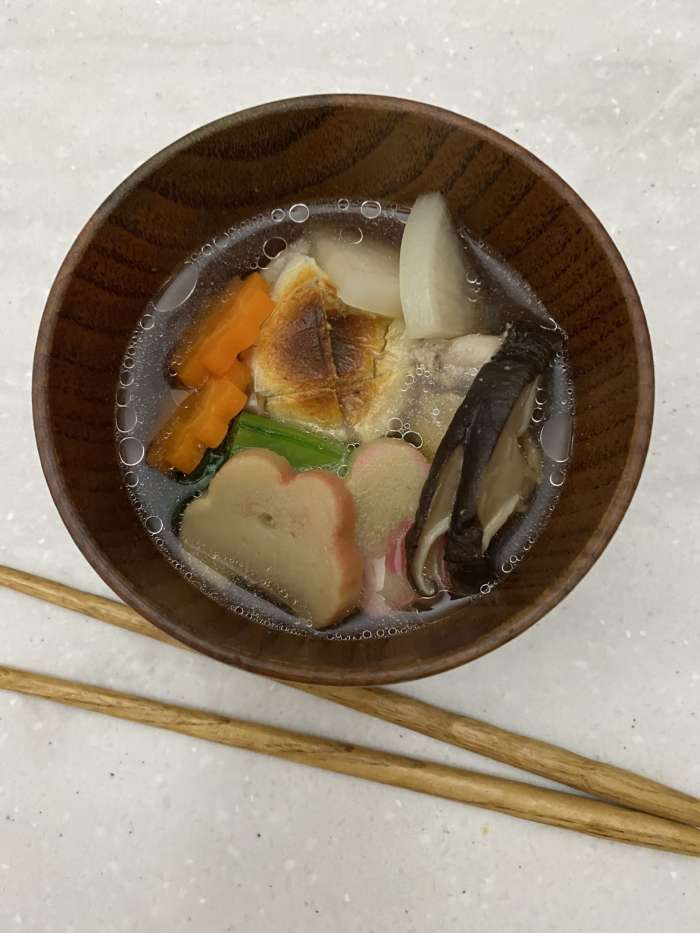
In the olden days, it was customary for women who had been working hard for New Year’s housework to take a break from work as a celebration of the Hatsuka Shogatsu (20th of January). They went to their hometown to take a rest, or some came back from their hometown after the New Year holidays.
Depending on the region, New Year’s treats and rice cakes are eaten up until that day. This is the feeling of gratitude for the fruit of not leaving New Year’s food is also included.