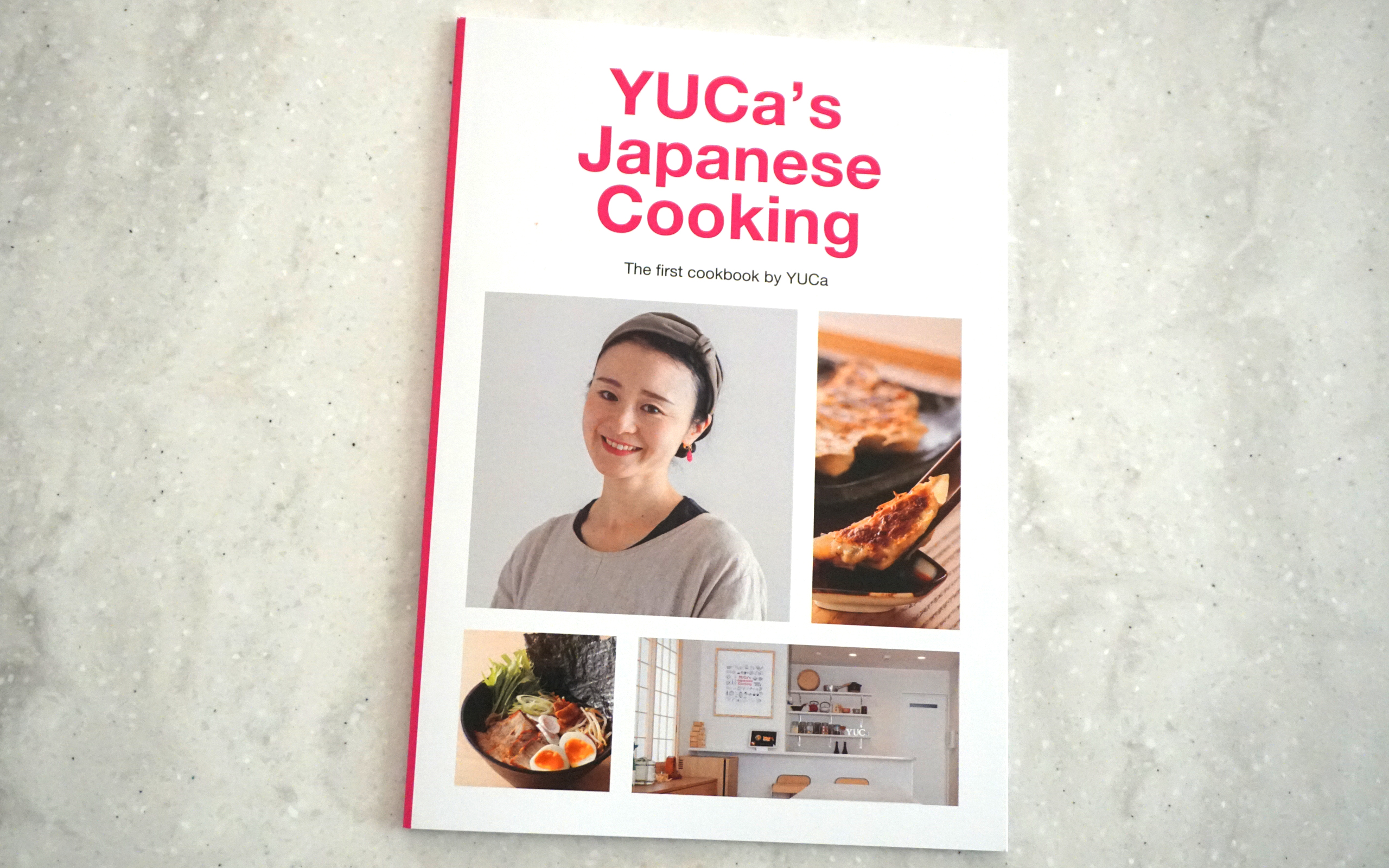
Ranking : BEST 5 Popular Ramen In Japan

In this video, we introduce the BEST 5 ramen noodles popular among Japanese people in a ranking format. What are the 5 ramen that were chosen out of all the ramen available?



In this video, we introduce the BEST 5 ramen noodles popular among Japanese people in a ranking format. What are the 5 ramen that were chosen out of all the ramen available?
Mortar and pestle is said to be “Suribachi” and “Surikogi” in Japanese. A characteristic of Japanese mortar and pestle is that it has ridges on the surface of the the mortar make it easy to crush ingredients to some extent without exerting much effort. And because they are made of ceramic, they are lightweight, and final product can be displayed on the dining table as they are.
◎ About this kitchen tool ◎
Japanese Mortar & Pestle : すり鉢&すりこぎ (Suribachi & Surikogi)
https://amzn.to/3hOTTQy (Overseas)
https://amzn.to/3V5i0sW (in Japan)
Dried shrimps are a necessary dry food to add color to Japanese cuisine. It is often used as a topping for okonomiyaki and other dishes. Since they are originally dried, their shelf life is set for a long time, but once sealed, they quickly change in texture and taste. In addition, the unique aroma of dried foods may waft through the air, resulting in a strange odor. Freezing is a convenient way to preserve the flavor and aroma. Freezing dried foods may seem surprising, but it is a great way to preserve the flavor.
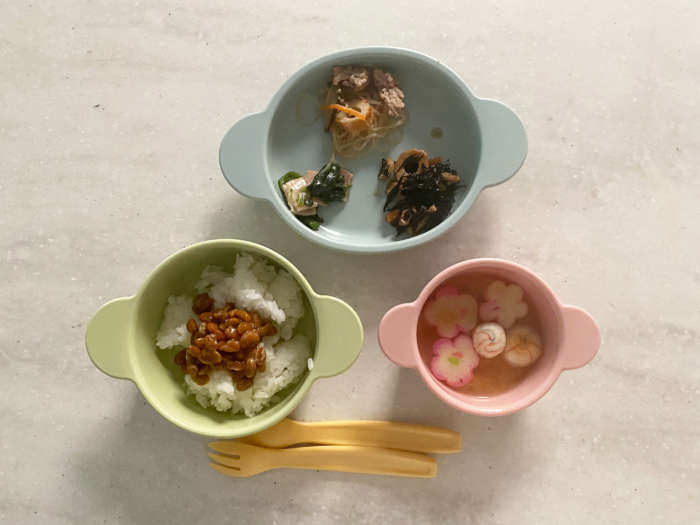
Menu:
– Japanese rice topped with Natto
– Miso soup with Fu
– Simmered hijiki seaweed
– Harusame salad
– Stir-fry Spinach and sesame
Simmered Kiriobshi Daikon (Simmered dried daikon strips) is a traditional Japanese side dish perfect for Japanese breakfast and Bento. Kiriboshi Daikon provides more nutrients than fresh daikon radish because the sun-drying process concentrates umami and nutrients and increases the content of calcium, iron, and B vitamins. It is also high in insoluble dietary fiber, making it a recommended food for people suffering from constipation, for example. This is also a Plant-based, Vegan & Gluten-free Japanese recipe.
Do you like gyoza? I love gyoza, so I often make them at home. And I use this gyoza spatula when I do. Of course, you can use a spoon, but this tool is very time-saving because it allows you to quickly put the right amount of ingredients on the gyoza skin and spread it nice and thin. And of course, it can be used not only for dumplings, but also for spreading jam or butter on toast. For Gyoza & Gyoza Pastry recipe, please visit my food blog “YUCa’s Japanese Cooking”!
◎ About this kitchen tool ◎
Gyoza spatula : あんべら An-bera
https://amzn.to/3QT01Uy (Overseas)
https://amzn.to/3TfGVcV (in Japan)
Tofu is one of the essential ingredients in Japanese food. There are two main types of tofu: silken tofu, which has a smooth texture on the tongue, and cotton (momen) tofu, which has a texture. It can be eaten in a variety of ways, such as cut into pieces and eaten as a topping for chilled tofu or salads, mashed and mixed with other boiled vegetables as a Shiraae, in miso soup, as tofu steak, or even as fried tofu.
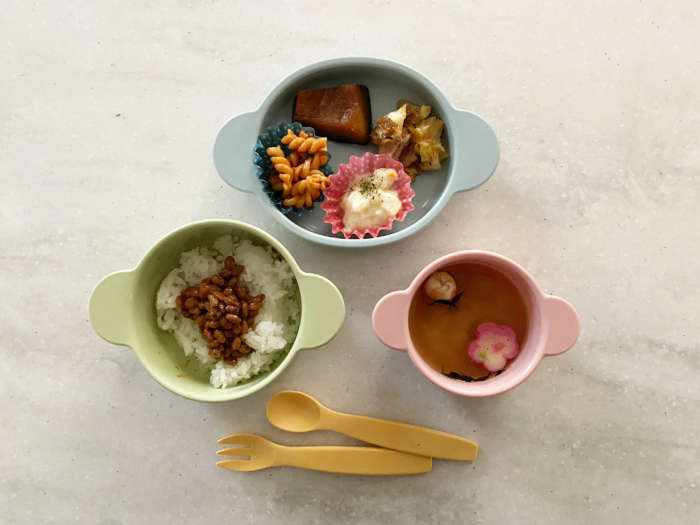
Menu:
– Japanese rice topped with Natto
– Miso soup with Fu, onion and wakame
– Simmered pumpkin
– Tomato pasta
– Miso stir-fry with pork and cabbage
– Potato salad
In this video, I present a ranking of the BEST 5 most popular Onigiri (rice balls) among Japanese children. What are the selected five onigiri among all the onigiri?
Have you all heard of Okonomiyaki? In Japan, we use this kitchen tool for this dish, I thought I’d give it a whirl and see what it can do for okonomiyaki! This oil container has a brush so that just the right amount of oil can be drawn thinly and evenly over the pan.
◎ About this kitchen tool ◎
Oil Brush & Container : 油引き Aburahiki
https://amzn.to/3QruXuW (Overseas)
https://amzn.to/3AlHOJu (in Japan)