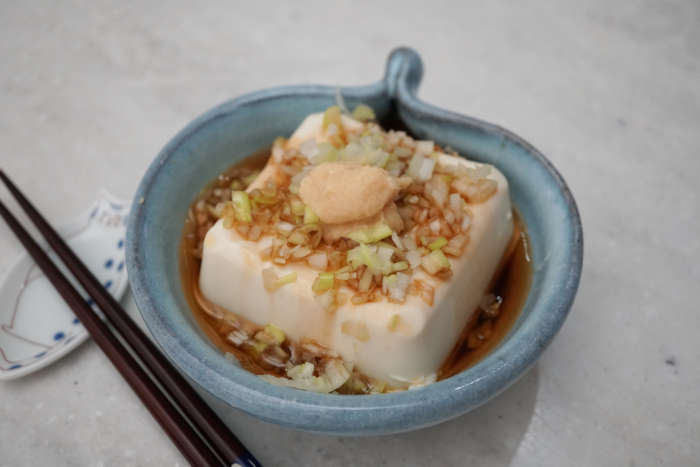
Hiyayakko (冷奴) is a dish where chilled tofu is enjoyed either plain or with seasonings and toppings. Depending on the toppings, you can experience various flavors, and in our household, it’s particularly popular to eat during the hot summer months. This time, I’ll introduce a recipe where I’ve made a twist to the popular combination of ginger & soy sauce, adding green onions and sesame oil. Please do try and enjoy the different flavors and textures!
One of the most delicious summer foods is shaved ice with shaved ice shavings. In Japan this year, shaved ice coated with fresh cream and topped with fruit to resemble shortcake is very popular. Shaved ice stores offering shaved ice made with natural ice to make it fluffy have long lines of customers every day. This shaved ice machine is convenient for those who want to eat it at home. Since it is an automatic type, shaved ice can be made simply by pulling the lever on the right side toward you.
It’s time to enjoy Peaches! Peach fruits is mainly composed of carbohydrates. They are also high in the dietary fiber pectin, which helps to cleanse the intestines and relieve fatigue. If you eat it right away, store in the fridge for 2 to 3 hours before eating to preserve the sweetness.
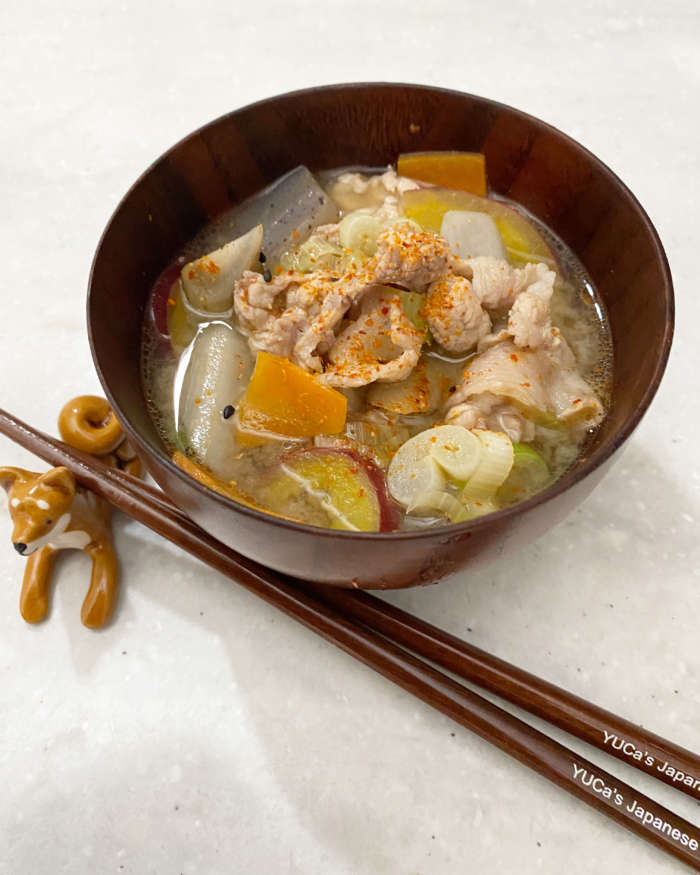
Tonjiru (豚汁) is one of the comfort food here in Japan. TON means “Pork” and JIRU (shiru) means “Soup”. This soup has a rich and mild flavor from pork and lots of vegetables. Since it requires lots of ingredients, we don’t make as often as miso soup at home but eat at the outdoor events or you can buy TONJIRU easily at bento specialty shops.
The lightweight cup for Japanese rice is 1 cup (180 ml) and it is called “1 合(Ichi Gou)”. The key to cooking good rice is not to wash the rice too much. Soak the rice once in water, then discard it and stir it without water. A milky, starchy liquid will come out, which is then poured off. Repeat this two or three times until the water becomes slightly clear. Then cook the rice in a regular Japanese lightweight cup with 200 ml of water per cup.
Apples, in season from fall to winter, are a fruit rich in fructose and glucose. In addition, apple pectin, a type of dietary fiber, proliferates lactic acid bacteria. The basic method of storing apples is to wrap them in paper towels and store them at room temperature, but we will introduce a refrigerated method of storing apples that can be used for up to three months.