Warabi Mochi
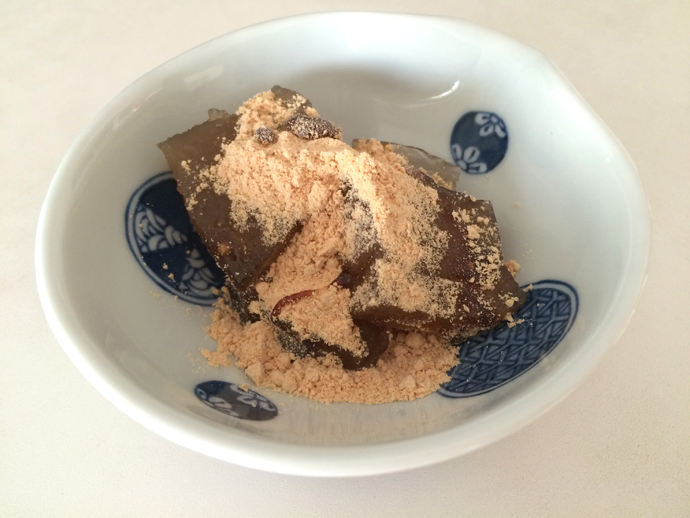
Warabi mochi (わらび餅) is a Japanese confectionery made from starch extracted from the root of the wild vegetable “warabi”. The pulled texture of the warabi mochi and the harmony of the molasses and soybean flour called “Kinako” are addictive, and you will not be able to stop eating it.
Warabi mochi is often confused with kuzumochi, which is also eaten with molasses and soybean flour, but kuzumochi is milky white and has a slightly harder texture. Kuzumochi is made from starch extracted from the root of the “kuzu” plant.
Read More
Ichigo Daifuku (Strawberry Mochi)
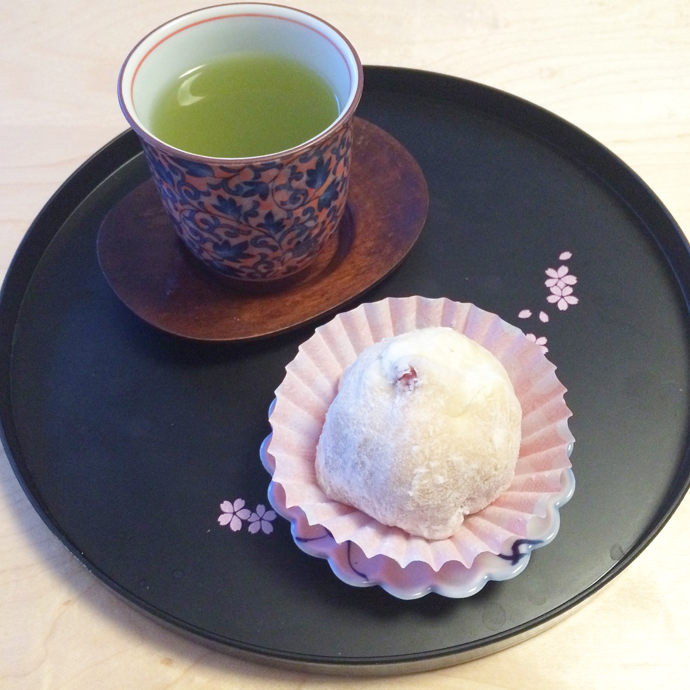
Ichigo Daifuku (いちご大福) is made by wrapping a whole strawberry in anko (red bean paste) and then wrapping it in gyuhi (a type of rice cake). The combination of the tartness of the strawberries and the sweetness of the bean paste is exquisite, and the texture of the mochi is also unique.
There are various theories as to the origin of Ichigo Daifuku, but it is said to have originated in the 1980s, inspired by shortcake. Although it has a shorter history than other wagashi, it is now firmly established as one of Japan’s most popular wagashi.
Read More
Anko (Red bean paste)
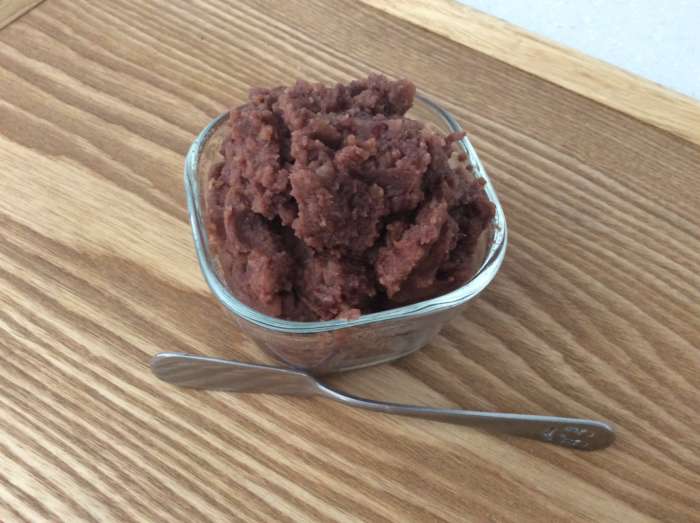
Anko(あんこ) is sweetened azuki beans. It is used in many wagashi, such as daifuku, taiyaki, anmitsu, and oshiruko, and is essential for making wagashi. There are two types of anko: Tsubu-an (つぶあん), which retains the texture of the azuki bean grains, and koshi-an(こしあん), which is strained smooth. If you feel that store-bought anko is too sweet, why not try making homemade anko? And if you do, don’t forget to use azuki beans called dainago(大納言).
Read More
Ohagi & Botamochi
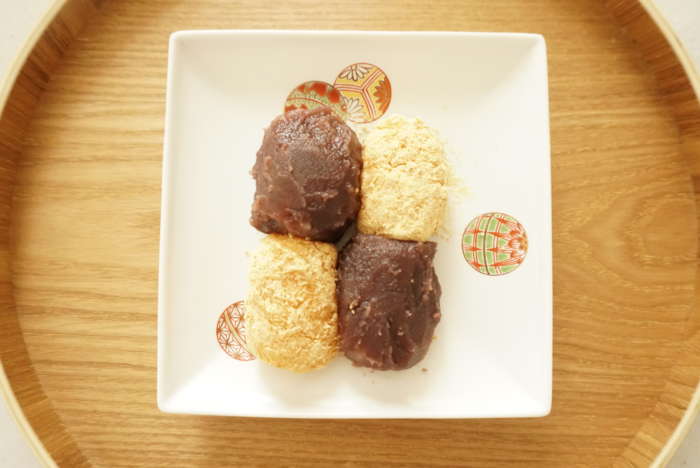
Ohagi (おはぎ) is made by wrapping sweet bean paste with glutinous rice cake or, conversely, by rolling glutinous rice cake into a ball and wrapping it with sweet bean paste. It is an indispensable food for offerings on the far shore, and seems to be a Japanese confectionery that has been familiar to people since ancient times.
In addition, it is called “Ohagi” on the autumnal equinox when hagi flowers bloom, and “Botamochi” on the spring equinox when peony flowers bloom. It is interesting that the names change depending on the time of year.
Read More
Sakura Cherry Blossoms in Kochi
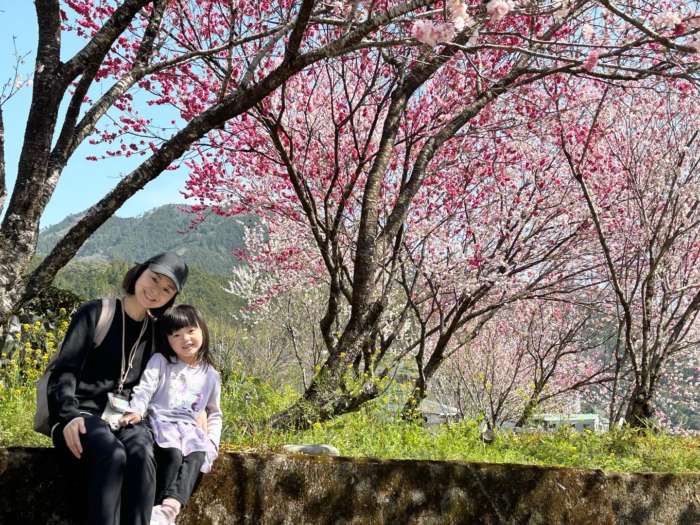
I recently visited Kochi Prefecture with my family. It was just in time for cherry blossom viewing, and we were able to see a 500-year-old cherry tree, which was a great memory. I have taken other photos, so please take a look.
Read More
YUCa’s Tea (Leaf ver.)
We are very happy that YUCa’s Tea, newly launched this year, has been well received by participants of the cooking class and other green tea lovers in Japan and abroad.
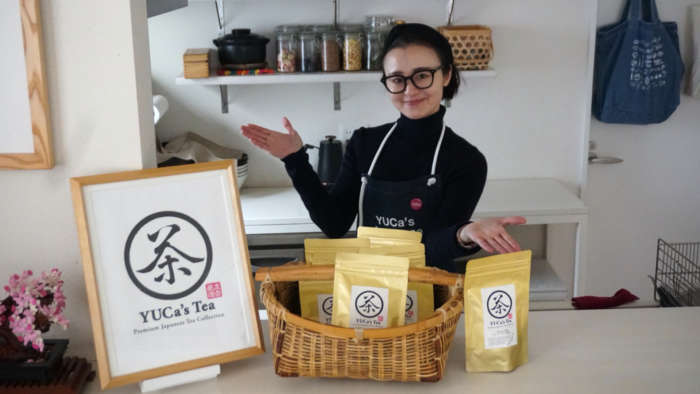
Chiran-cha, which is characterized by its deep roasted flavor, is a tea that I drink regularly, and I am very happy to be able to introduce it to everyone in the form of a commercial product.
The first product was a tea bag type so that people can enjoy green tea easily.
Now, we have decided to commercialize the leaf type as our second product.
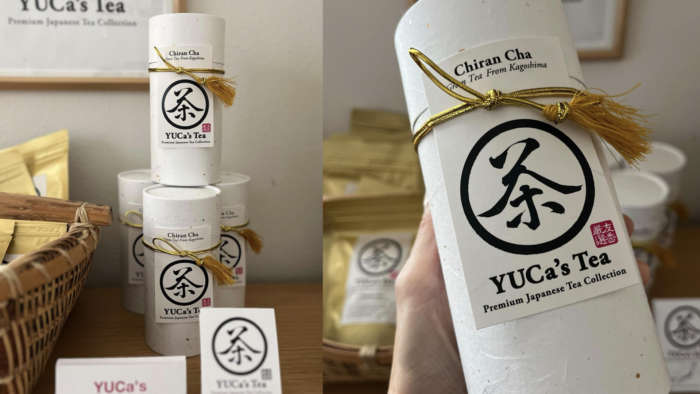
The tea comes in generous quantities, so if you have a teapot, we hope you will enjoy drinking this type of tea!
The characteristics of the tea leaves and the recommended way to drink them are explained in the attached leaflet.
For more information about the YUCa’s Tea, please click here!
https://yjc.tokyo/yucastea
If you are interested in purchasing this product, please reply to this newsletter or contact us from here!
https://yjc.tokyo/contact-us/
Taiyaki
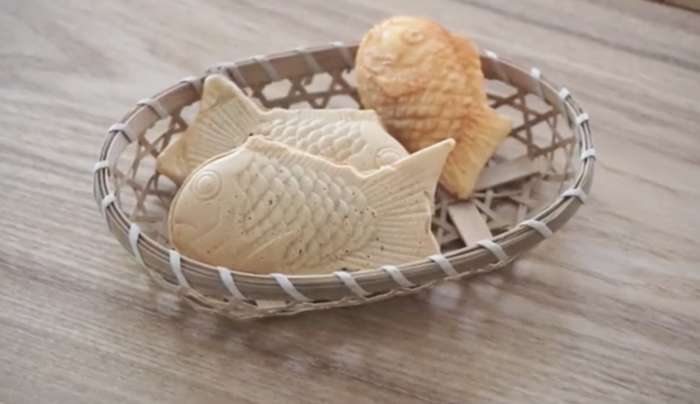
Do you know this fish shape waffle? This is called Taiyaki (鯛焼き). “Tai (鯛)” means a carp and “Yaki (焼き)” means stir-fry or bake in Japanese. To make this shape, you need to buy special waffle machine. You can buy online or electric stores here in Japan to make at home or you can find Taiyaki shops at many places here in Japan. Usually, Taiyaki has red bean paste inside but some shops sell custard cream, matcha cream, sweet potato paste, Chocolate cream, Sesame cream etc. In this recipe, I introduce the traditional Taiyaki which has red bean paste inside. Enjoy!
Read More
Egg Sandwich (Deluxe version)

One of the most popular sandwiches in Japan is the egg sandwich. Convenience stores, supermarkets, and specialty stores sell a variety of egg sandwiches, and I have already introduced two recipes on my blog. This time, I will introduce the deluxe version Egg Sandwich; Egg Mayo Salad + Soft-boiled Egg combo style. If you are egg lovers, this is the perfect recipe for you! Read More
All about Mochi
Mochi (もち、餅) is a polite term for mochi, a food made from glutinous rice. Usually, it is made by steaming glutinous rice and pounding it with a pestle, but it is also widely called mochi when made from grains, rice flour, kuzu flour, and other ingredients. It is a round or flattened food.
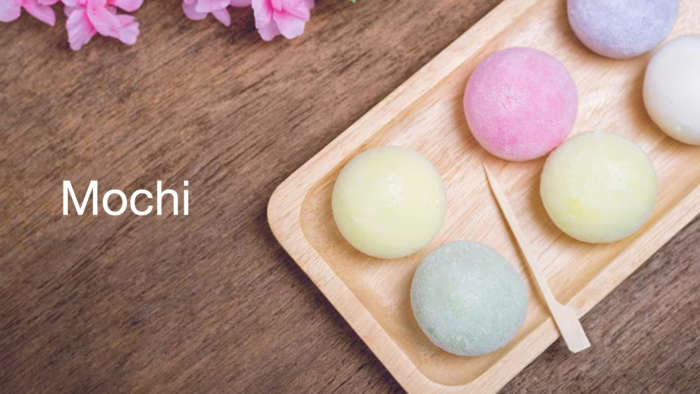
Mochi in foreign countries seems to be widely recognized as a sweet with ice cream.
Mochi are rich in carbohydrates (carbohydrates), which are the main source of energy during exercise; they contain more carbohydrates in 100g than rice.
Many people can eat two or three rice cakes even if they cannot eat a bowl of rice or a bowl of rice. Another excellent point of mochi is that it can be eaten in a variety of ways, such as in soups, wrapped in nori (seaweed), or with daikon radish or natto (fermented soybeans) to take in other nutrients at the same time.
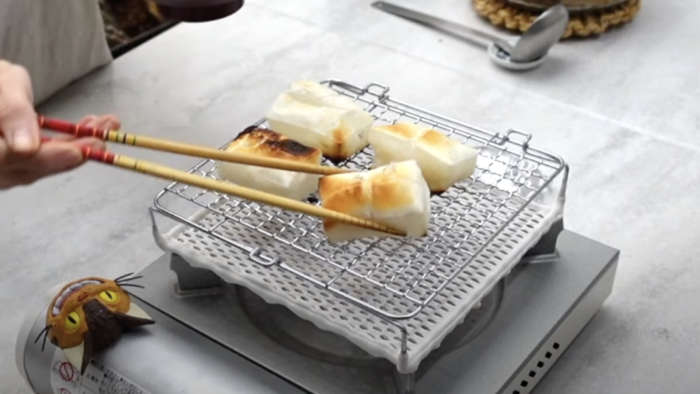
It is believed that the rice cake culture was introduced along with the rice culture. In Japan, in particular, people had a particular preference for the stickiness of mochi, which is said to have led to the creation of a unique mochi culture. It is mentioned in documents from the Nara period (710-794), and at that time it was used as a confectionery for the nobility.
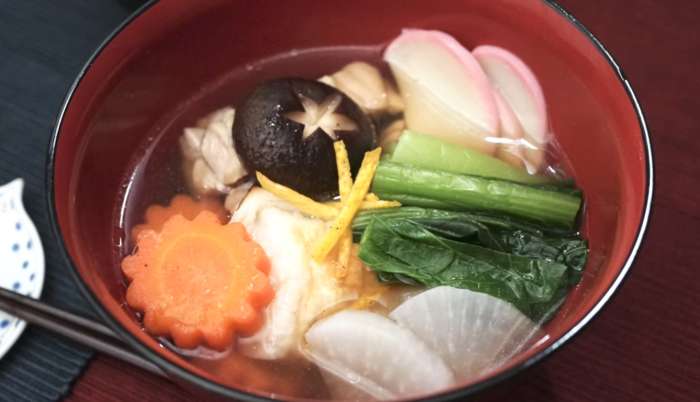
By the Heian period (794-1185), event foods were established and Kagamimochi (mirror-shaped mochi) in January, Hishimochi (rhombus-shaped mochi) in March, and Kashiwa Mochi (mochi wrapped with oak leaf) in May were introduced. Botamochi (adzuki bean mochi) and grilled mochi and mochi sweets became common during the Kamakura period (1185-1333), and became increasingly popular during the Edo period (1603-1868), when mochi sweets were used for annual events.
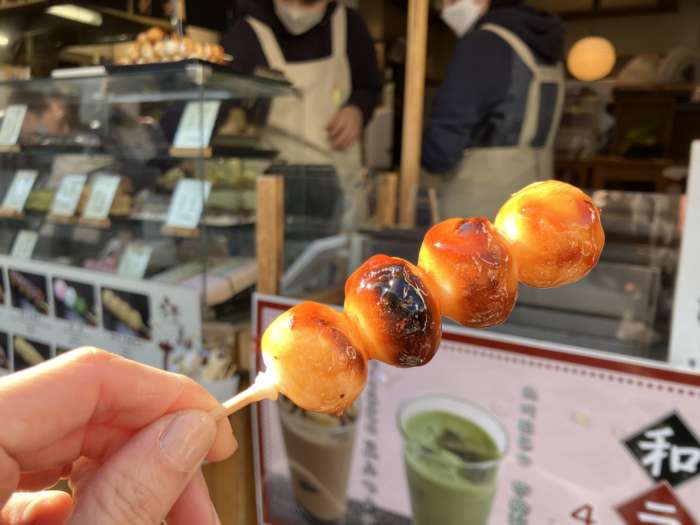
According to statistics from the Ministry of Internal Affairs and Communications, a family in Japan eats about 43 commercially made mochi (about 54 g each) per year.
Relater recipe :
! Caution !
The lower the temperature of mochi, the harder and stickier it becomes. Therefore, cut them into small, easy-to-eat pieces and drink tea or soup to moisten your throat before eating. Also, do not eat too much at once, but chew it well before swallowing.
Mochi Ice Cream
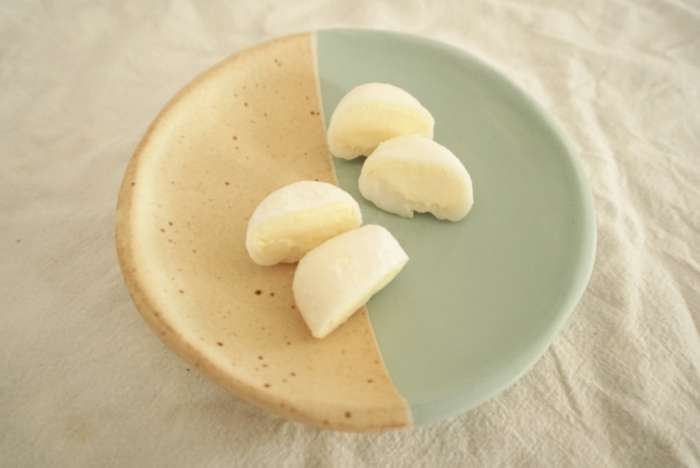
Overseas, Mochi is recognized as a sweet wrapped in ice cream. In Japan, a particular product from a certain confectionery maker, often found in convenience stores and supermarkets, is well known. This recipe uses vanilla ice cream, but you can customize it with your favorite ice cream.
Read More