Latest Posts
Hello from Tokyo (December 2024)

The year 2024 is coming to an end, and YJC is entering its busiest season of the year.
We will be taking a break only on New Year’s Day and January 2nd, but other than that, we will continue sharing Japanese home cooking every day, including weekends!
Despite the hustle and bustle, I’ve unfortunately strained my voice. Over the past week, I’ve been conducting classes with a whispery and husky voice. (To all those who attended, I truly apologize!)
Thankfully, my voice has started to recover over the past few days. I urge everyone to take care of themselves—watch out for chills around your neck, wrists, and ankles, and be mindful of dryness while sleeping!
Reflecting on this year, it’s been a time filled with exciting challenges and new beginnings.
– I started training new instructors, building on 12 years of experience in the cooking class business.
– I launched a premium Japanese tea brand based on the theme of “Tea Travels,” which included trips to Kagoshima, Kyoto and Kochi and participating in food events.
– I made the big decision to incorporate my sole proprietorship and, somewhat unexpectedly, became a CEO!
Next year, I aim to continue enjoying my cooking classes while collaborating with more companies and talented creators to promote Japanese food culture and lifestyle.
Here’s to a healthy and creative year ahead for all of us!
Lots of love (愛) from Tokyo!
YUCa
Season’s Greetings from Tokyo!

Maybe it’s the end-of-year fatigue, but my voice has become hoarse.
However, with the support of my family, I’m managing to teach cooking.
I’ve recovered enough to be somewhat understandable, but I still have a husky voice.
I apologize to those who attended my cooking class over the past few days for any inconvenience…
Health comes first, after all.
Wishing you a wonderful Christmas!
Read More
Buta no Kakuni (豚の角煮)
Buta no Kakuni is a traditional Japanese dish made by simmering thick cuts of pork belly in a flavorful broth until they become tender and rich.

The dish typically includes ingredients like soy sauce, sake, mirin, sugar, and sometimes ginger or scallions for added aroma.
This slow-cooked delicacy has a melt-in-your-mouth texture and a sweet-savory flavor that pairs perfectly with steamed rice. Popular in Japanese home cooking and restaurants, Buta no Kakuni is not only a comfort food but also a showcase of the art of Japanese braising techniques.
Read More
Japan Guide : The Shinmonzen in Kyoto (京都府)
“Shinmonzen”(新門前) is a neighborhood located in the Higashiyama district of Kyoto, particularly near the Gion district and Yasaka Shrine. This area is historically and culturally significant, retaining much of Kyoto’s traditional townscape and culture.

These days, Shinmonzen is a popular tourist destination, with many high-end ryotei (traditional Japanese restaurants), inns, beautiful gardens, and shrines in the surrounding area. It is known as a place where visitors can experience the charm of Kyoto and enjoy the nostalgic atmosphere of old Japan.
In this area, a boutique hotel designed by Tadao Ando, one of the world’s most celebrated contemporary architects, has been completed. The name of the hotel is “The Shinmonzen”.
The project has been a labour of love for over 10 years and has been designed by Mr. Ando and other artist friends for the modern travellers.
Read More
Japan Guide : Asahiyaki shop & gallery in Kyoto (京都府)
Asahi-yaki pottery (朝日焼) is a traditional ceramic kiln with over 400 years of history, located in Uji City, Kyoto Prefecture. Uji is renowned for its production of high-quality Japanese tea, and Asahi-yaki pottery has supported this tea culture by crafting tea utensils and everyday ceramics. It is particularly famous for tea bowls used in the tea ceremony.


History and Characteristics :
1. History
– Asahi Pottery was established in the late Azuchi-Momoyama period (late 16th century).
– Taking advantage of its location along the Uji River, it developed alongside the growth of tea culture.
– It has been cherished by tea masters, including the Sen family, and has played a vital role in Kyoto’s tea traditions.
Read More
Tokyo Guide : Sugamo Jizo-dori (巣鴨地蔵通り商店街)
Sugamo Jizo-dori (巣鴨地蔵通り商店街) is a famous shopping street located in the Sugamo district of Tokyo, Japan. It’s often referred to as “Grandma’s Harajuku” because it’s particularly popular among older generations. The street is known for its traditional atmosphere and its variety of shops that cater to elderly customers.

The street is easily accessible from Sugamo Station on the JR Yamanote Line, and it features many stores catering to both locals and visitors, creating a nostalgic atmosphere.
The street is also home to the famous “Togenuki Jizo” (Togenuki Jizo Bosatsu) statue, located at the grounds of the nearby Kōgan-ji Temple, which attracts many people who come to pray for health and healing.
Read More
Tokyo Guide : Menson RAGE (麺尊 RAGE)
Menson RAGE (麺尊 RAGE) has been featured in the Michelin Guide every year since its opening and is famous for its high-quality soy sauce ramen, attracting long lines of customers.

The interior has a unique atmosphere, with hip-hop music playing, shelves filled with the SF action comic AKIRA, and street-style graphics adorning the walls.
While the original location is in the Nishi-Ogikubo area, we visited the Azabudai Hills branch.
Read More
Tokyo Guide : Azabudai Hills (麻布台ヒルズ)
Azabudai Hills(麻布台ヒルズ) is a large-scale urban complex located in Azabudai, Minato City, Tokyo. It officially opened on November 24, 2023 and its concept, “Modern Urban Village,” blends urban functionality with lush greenery, creating a harmonious environment in the heart of the city.
Here are the 7 places you should check there!
1. Arabica coffee
This coffee brand was founded by a Japanese entrepreneur from Kyoto, who was raised by parents active in the Esperanto movement, along with a father who ran a trading company, traveling the world while growing up. The brand aims for global expansion.

2. Saboe
This tea organization dedicates to contributing to the development of tea, creating and preserving modern tea-drinking practices in the present day.

Read More
Dorayaki (どらやき)
Dorayaki (どらやき) is a traditional Japanese confection consisting of two fluffy, pancake-like cakes filled with sweet red bean paste (anko). The cakes are typically made from a mixture of flour, eggs, sugar, and honey, giving them a soft, slightly spongy texture.
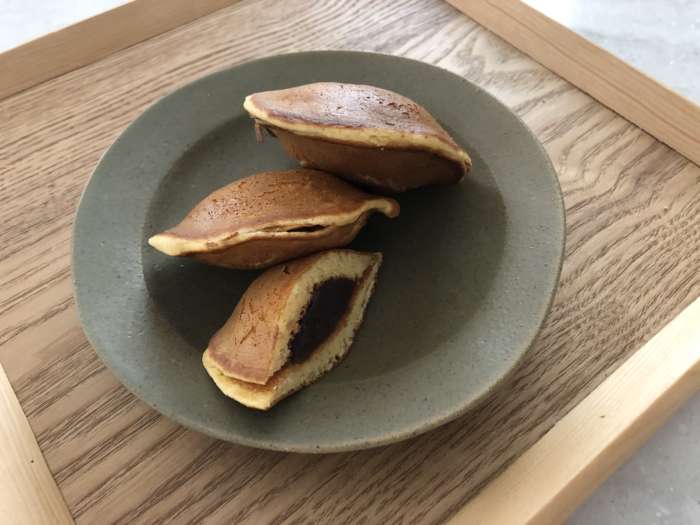
The red bean paste is often made from adzuki beans, which are cooked with sugar to create a smooth, sweet filling.
Dorayaki is widely loved in Japan and is often associated with the popular Japanese cartoon character, Doraemon, who is famously depicted enjoying dorayaki. It is commonly eaten as a snack or dessert and can be found in many bakeries and supermarkets throughout Japan.
The name “dorayaki” comes from “dora,” which means “gong” in Japanese, as the shape of the cake is said to resemble a gong. The treat has a long history and is believed to have originated in the Edo period (1603-1868).
Today, dorayaki continues to be a beloved snack in Japan and has gained popularity internationally as well.
Recipe :
– Dorayaki
Nagomi Inc.

In October 2024, we established a new company, Nagomi Inc. (和株式会社). The name “和” (Nagomi) not only refers to Japanese style or ways of doing things, but also symbolizes harmony and reconciliation.
Through this new company, we will continue to focus on Japanese culinary education, particularly through cooking classes centered on washoku (和食, Japanese cuisine). In addition, we will promote the charm of Japan’s local regions through YUCa’s Tea, which connects tea and travel, and introduce Japanese lifestyle through our retail business, YUCa’s Choice.
By combining these efforts, we aim to spread the beauty of Japan, its food culture, and lifestyle both domestically and internationally, while creating a world of “Nagomi”(和).
We sincerely ask for your continued support and encouragement as we move forward with this new venture!
2024年10月、新しく株式会社を設立しました。会社の名前は、和株式会社(Nagomi Inc.)です。「和」は、日本式や日本流という意味のほか、調和や融和などを表します。新会社では、これまで通り料理教室を通じた和食の教育事業を中心に、お茶と旅を通じて日本の地方の魅力を紹介するYUCa’s Tea、日本のライフスタイルを紹介するYUCa’s Choiceでの物販事業、これらを融合しながら日本の魅力や食文化を国内外に広め、世界に「和」を創り上げていきます。
今後ともご支援と応援をどうぞよろしくお願いします。
Company Name: Nagomi Inc. 和(なごみ)株式会社
Date of establishment: Oct 2024
Board members: YUCa (CEO), Masashi Togami (CMO)
Web: https://yjc.tokyo/nagomi