Latest Posts
Ichigo Daifuku (Strawberry Mochi)
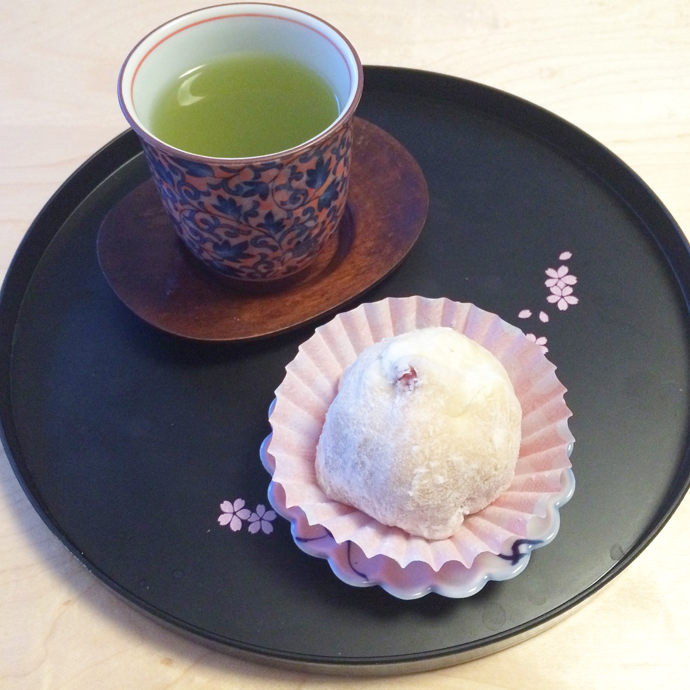
Ichigo Daifuku (いちご大福) is made by wrapping a whole strawberry in anko (red bean paste) and then wrapping it in gyuhi (a type of rice cake). The combination of the tartness of the strawberries and the sweetness of the bean paste is exquisite, and the texture of the mochi is also unique.
There are various theories as to the origin of Ichigo Daifuku, but it is said to have originated in the 1980s, inspired by shortcake. Although it has a shorter history than other wagashi, it is now firmly established as one of Japan’s most popular wagashi.
Read More
Anko (Red bean paste)
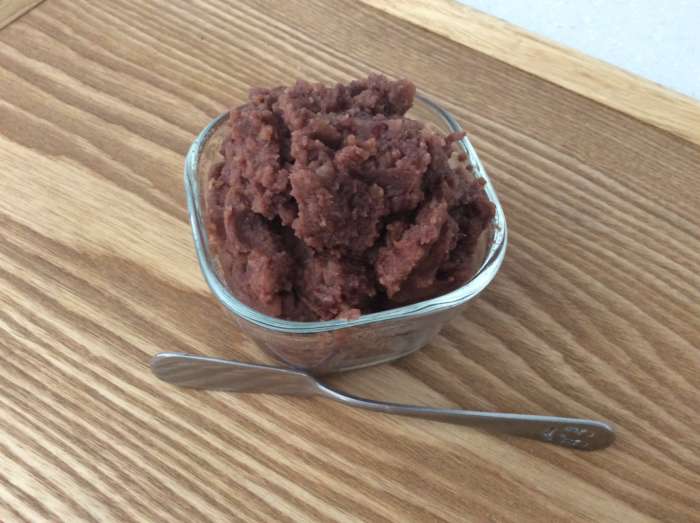
Anko(あんこ) is sweetened azuki beans. It is used in many wagashi, such as daifuku, taiyaki, anmitsu, and oshiruko, and is essential for making wagashi. There are two types of anko: Tsubu-an (つぶあん), which retains the texture of the azuki bean grains, and koshi-an(こしあん), which is strained smooth. If you feel that store-bought anko is too sweet, why not try making homemade anko? And if you do, don’t forget to use azuki beans called dainago(大納言).
Read More
Ohagi & Botamochi
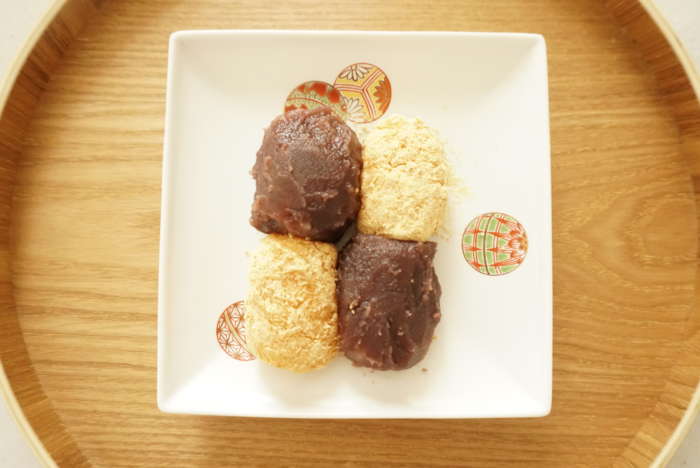
Ohagi (おはぎ) is made by wrapping sweet bean paste with glutinous rice cake or, conversely, by rolling glutinous rice cake into a ball and wrapping it with sweet bean paste. It is an indispensable food for offerings on the far shore, and seems to be a Japanese confectionery that has been familiar to people since ancient times.
In addition, it is called “Ohagi” on the autumnal equinox when hagi flowers bloom, and “Botamochi” on the spring equinox when peony flowers bloom. It is interesting that the names change depending on the time of year.
Read More
Taiyaki
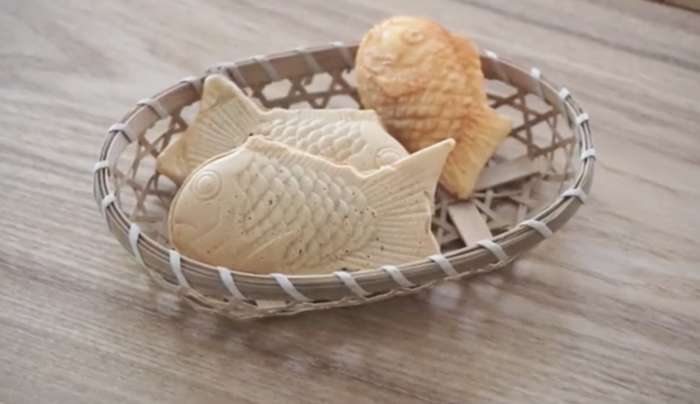
Do you know this fish shape waffle? This is called Taiyaki (鯛焼き). “Tai (鯛)” means a carp and “Yaki (焼き)” means stir-fry or bake in Japanese. To make this shape, you need to buy special waffle machine. You can buy online or electric stores here in Japan to make at home or you can find Taiyaki shops at many places here in Japan. Usually, Taiyaki has red bean paste inside but some shops sell custard cream, matcha cream, sweet potato paste, Chocolate cream, Sesame cream etc. In this recipe, I introduce the traditional Taiyaki which has red bean paste inside. Enjoy!
Read More
Egg Sandwich (Deluxe version)

One of the most popular sandwiches in Japan is the egg sandwich. Convenience stores, supermarkets, and specialty stores sell a variety of egg sandwiches, and I have already introduced two recipes on my blog. This time, I will introduce the deluxe version Egg Sandwich; Egg Mayo Salad + Soft-boiled Egg combo style. If you are egg lovers, this is the perfect recipe for you! Read More
Mochi Ice Cream
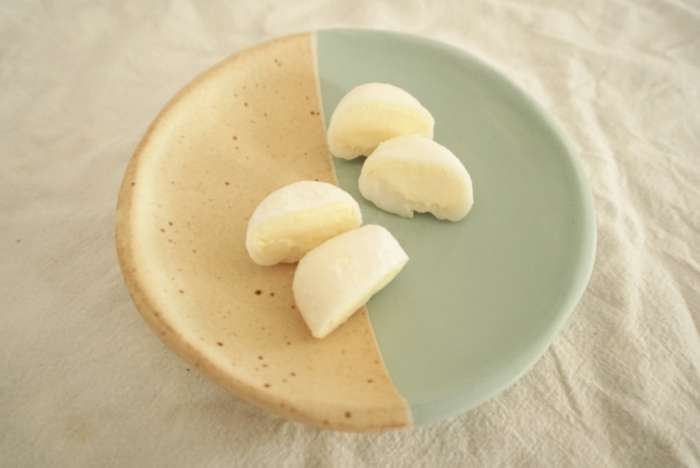
Overseas, Mochi is recognized as a sweet wrapped in ice cream. In Japan, a particular product from a certain confectionery maker, often found in convenience stores and supermarkets, is well known. This recipe uses vanilla ice cream, but you can customize it with your favorite ice cream.
Read More
Ozoni (Japanese New Year’s Soup with Mochi)
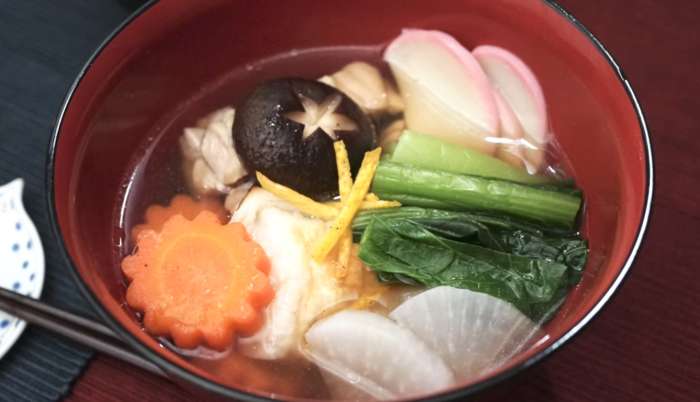
Ozoni (お雑煮) is a Japanese New Year’s Soup with Mochi. In Japan, people enjoy this seasonal soup on New Year’s time. There are 2 types; Kanto-style (Tokyo area) and Kansai-style (Kyoto area). Tokyo style has soy sauce based soup with chicken and mochi, mainly. Kyoto style has white miso based soup with yam and mochi. This time, we will make Tokyo style.
Read More
Oshiruko (Red bean soup with mochi)
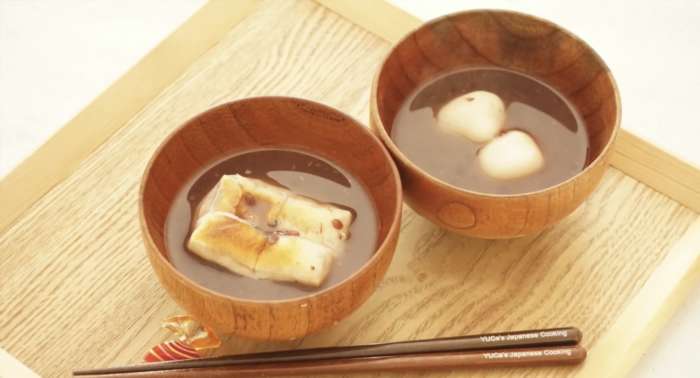
Oshiruko (おしるこ、お汁粉) is a sweet red bean soup with mochi or shiratama dumplings in it. This is one of the traditional soup sweets in Japan. A dish similar to oshiruko is called zenzai (ぜんざい). In the Kanto region, zenzai is rice cake poured with red bean paste. You can taste this hidden sweets at traditional Japanese sweets shop called Kanmi-dokoro (甘味処). If you order oshiruko at a shop, you may find it comes with oshinko (お新香). The salty oshinko enhances the sweetness of oshiruko.
In this recipe, you will see two types of Oshiruko; one with the block type pre-made mochi and the one with shiratama dumplings made of glutinous rice flour.
Read More
Recipe : Salmon Nanbanzuke
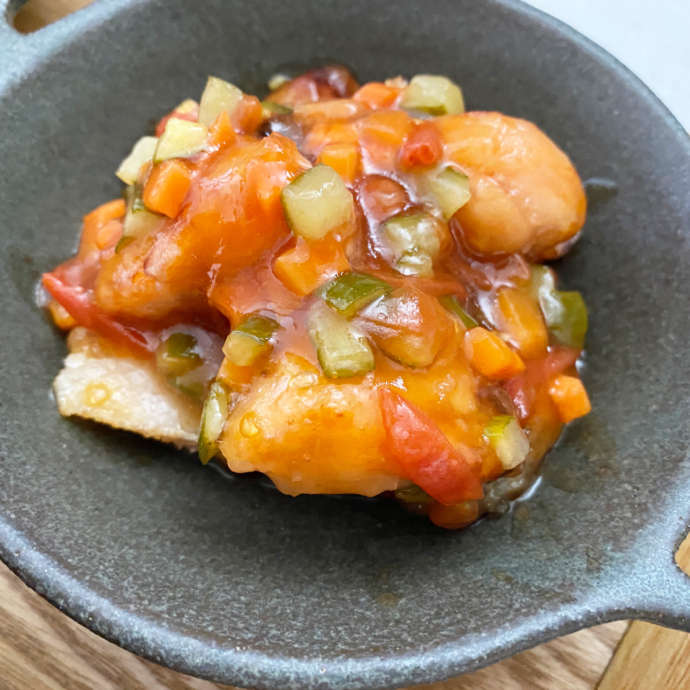
Nanbanzuke (南蛮漬け) is a dish in which fish or meat is deep fried and then marinated in sweet vinegar and aromatic vegetables such as red pepper and leeks. The term “Nanban” comes from the “Nanban trade (南蛮貿易)” that began around the 16th to 17th century, and refers to the people and products of Spain and Portugal, who were the trading partners at that time.
It is said that the escabeche and its unique cooking method introduced from these countries gave rise to the term “Nanbanzuke”.
Nanban-zu(南蛮酢), made by adding soy sauce, sugar, and other seasonings to vinegar, has a familiar sweet and sour taste. It is delicious hot or cold, and the flavor changes depending on how long the fish has been marinated. This time, we will introduce Nanbanzuke using salmon.
Read More
Spicy Salmon Onigiri
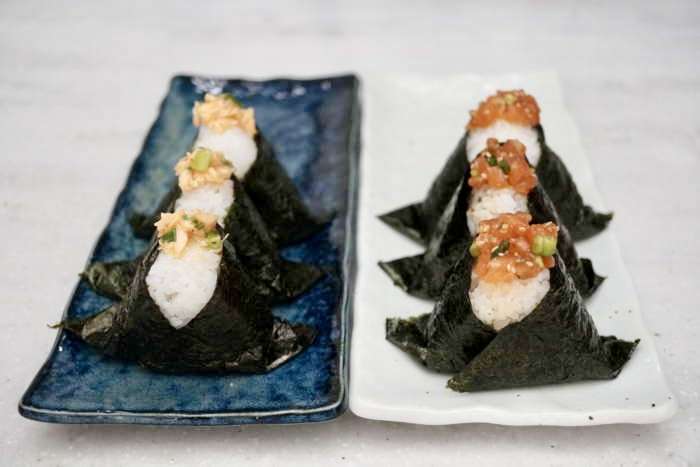
Do you like spicy food and salmon? If so, this recipe may be just right for you! It’s hard to find spicy food in Japan, but this recipe uses Ichimi Togarashi and raayu (Chinese red chili oil) to give it a spicy flavor. Also, for those who don’t like raw fish, we present two versions of onigiri: a raw salmon version and a grilled salmon version.
Read More