Tokyo Guide : Ippodo Tea Salon
Ippodo Tea Co. is a well-known and long-established Japanese tea company, founded in 1717 in Kyoto. For over three centuries, they have been dedicated to producing high-quality tea, specializing in fine Japanese green teas like matcha, gyokuro, sencha, and bancha. Ippodo is particularly celebrated for its meticulous tea selection and blending processes, ensuring that their teas maintain consistent taste and quality over time.

The company’s philosophy emphasizes the connection between tea and everyday life, promoting tea as a means of relaxation and mindfulness. Ippodo has a flagship store in Kyoto, along with tea shops in other major cities like Tokyo and New York. They also provide workshops and detailed guidance for brewing the perfect cup, helping tea lovers around the world appreciate the depth of Japanese tea culture.
In addition to their retail and online presence, Ippodo Tea Co. has gained international recognition for its traditional and authentic approach to tea, catering to both connoisseurs and beginners alike.

At the back of Ippodo’s Kyoto flagship store, there is a dine-in space where you can enjoy tea. Take your time to relax and savor the calm atmosphere of the main store, as well as the peaceful moments that flow there!
Read More
Monaka (最中)
Monaka (最中) is a traditional Japanese sweet made from two thin, crisp wafers (usually made from glutinous rice) that encase a filling, typically sweet red bean paste (anko). The wafers are often lightly toasted to enhance their flavor and texture.

Monaka comes in various shapes and sizes, and the fillings can vary, including other types of sweet bean pastes, chestnuts, or even ice cream. It’s a popular snack enjoyed during tea ceremonies, festivals, and as gifts. The delicate nature of monaka, combined with its crunchy texture and sweet filling, makes it a beloved treat in Japanese culture.
Read More
Japanese Set Meal Idea : vol.270

Menu:
– Daikon Mochi
– Eggplant miso stir-fry [Recipe]
– Japanese rice topped with yukari
– Kakitama-jiru [Recipe]
Hello from Tokyo (October 2024)

October has come! 🍂 Finally, it has started to feel cool in the mornings and evenings in Tokyo. This is the most comfortable time of year, and in Japan, there are various names for autumn. For example, there’s “sports autumn,” “reading autumn,” and “appetite autumn”! I find myself in “appetite autumn” all year round, but how about everyone else?
This month is packed with events like changing clothes for the season, sports days, field trips, Halloween, and my daughter’s and my birthdays, so I want to be mindful of my health every day.
Recently, I’ve been organizing the photos and videos I collected during summer vacation into themed reels and posting them on my blog. I hope you’re all enjoying them—I’d be thrilled if you are!
I plan to introduce various information about Japanese food in the future, so if you have any requests, I’d love to hear from you!
Let’s have a fruitful October, just like autumn! 🍂🍠🌰
YUCa
Japan Guide : Pottery Class Experience and Hojicha Making in Tosa (高知県)
Kochi is known for its unique ceramics, particularly Tosa-yaki (土佐焼), which has a rich history dating back to the 16th century. Tosa-yaki pottery is characterized by its natural, earthy colors and rustic finishes, often incorporating local clay.

The craftsmanship reflects traditional techniques, with many artisans still using hand-throwing methods. These ceramics are not only functional but also artistic, often featuring simple yet elegant designs. Tosa-yaki is prized for its durability and suitability for everyday use, making it a beloved part of the region’s culture.

This time, we visited Morita Ceramic Art Laboratory and had a pottery class experience. It was a private class just for us, and we created various pieces along with the kids. Our instructor, Mr. Morita, who is also a ceramic artist, was very friendly and had excellent teaching skills, which kept the children engaged and focused. We are looking forward to seeing the finished pieces!

On another day, we visited the Kiriyama Chaen (霧山茶園) located about an hour by car from downtown Kochi. This tea plantation is famous for Kiriyama tea, which is a type of Tosa tea.
Read More
Japan Guide : Sunday Market in Kochi (高知県)
Held every Sunday in Kochi Prefecture, this market called “Nichiyo-ichi” has a history of more than 300 years.

From around 6:00 a.m. to 3:00 p.m., about 300 stores line up along Otesuji Street under the castle in Kochi, stretching about 1.3 km along its length.
The market features hundreds of stalls selling local products, including fresh fruits, vegetables, flowers, and seafood, along with handicrafts, traditional sweets, and various goods from the region.

Read More
Bento (弁当)
Bento is simply a Japanese meal that can be carried around. It usually comes in a plastic or wooden box with rice and a variety of side dishes (sometimes even fruit or dessert).
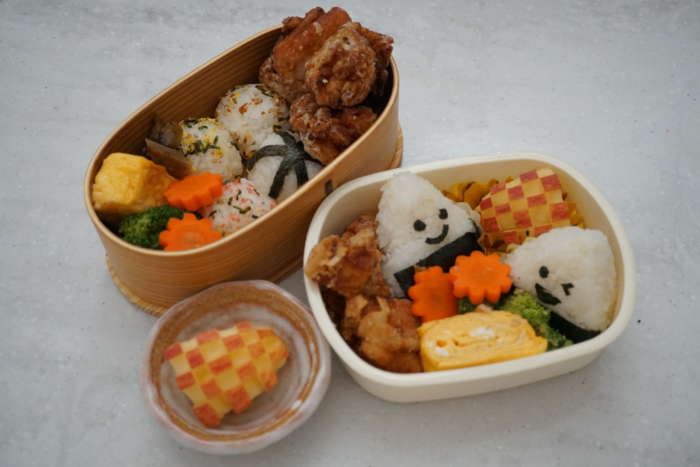
A bento (弁当) is a traditional Japanese lunch box meal, typically made up of rice, vegetables, and protein like fish or meat, all neatly arranged in a compartmentalized container. Bentos are often prepared at home and packed for school, work, or trips. The concept emphasizes balance, not only in flavors but also in nutrition, with a focus on incorporating different food groups. The visual appeal of the bento is also important, and it is common to see beautifully arranged ingredients that reflect care and thoughtfulness in their presentation. Bentos are a practical and portable way to enjoy a wholesome meal.
Composition of the Lunch Box
- Main Dish
- Side Dish
- Vegetable : This is it to fill in gaps in my lunches and to add colors.
- Japanese Rice : Sticky Japonica rice stays moist and delicious than other types of rice.
- Fruit : Apples cut into bite-sized pieces etc.
Read More
Japan Guide : Licca-chan Castle in Fukushima (福島県)
Licca-chan doll (リカちゃん) is a fashion doll that was born in Japan in 1967 and is manufactured and sold by Takara Tomy (formerly Takara).

Licca-chan is characterized as an 11-year-old girl with modern and stylish outfits and accessories. There are also many other characters, such as her family, friends, and pets, allowing children to play with various stories and scenarios. Her fashion and lifestyle are updated with the times, changing to reflect current trends.

Licca-chan’s creator was Yasuhiro Sato, the late founder of the major toy company Takara, who also created other hit products like Dakko-chan dolls. Since Sato hailed from the nearby Sawatari Village (now part of Iwaki City), the Takara Fukushima Factory was established in 1972, and in 1993, it was transformed into the Licca-chan Castle, where children can observe artisans at work.
Read More
Tsukimi (Moon-viewing Festival)
Tsukimi(月見) or the Moon-Viewing Festival, is a traditional Japanese event celebrating the beauty of the harvest moon, typically in September or October.

The tradition dates back to the Heian period (794-1185) and is associated with giving thanks for the autumn harvest. On Tsukimi night, people gather to admire the full moon, often decorating with pampas grass (susuki) and offering seasonal foods such as tsukimi dango (round rice dumplings), taro, and chestnuts to honor the moon. It’s a time for reflection, appreciation of nature, and a chance to wish for a bountiful future harvest.

I found a beautiful bouquet at a florist just a few days ago, themed around Tsukimi. The flowers, shaped to resemble the moon and dango, were round and cute, so I gave it as a gift to a friend.

Happy moon viewing day!
Yakisoba (やきそば)
Yakisoba(やきそば) is a popular Japanese stir-fried noodle dish. Despite its name, which means “fried soba,” it is actually made with wheat-based noodles similar to ramen, not buckwheat soba noodles. The dish typically consists of noodles stir-fried with a mix of vegetables like cabbage, carrots, and onions, along with meat such as pork or chicken.

It’s flavored with a savory sauce that is slightly sweet and tangy, similar to Worcestershire sauce. Toppings often include pickled ginger, dried seaweed, and bonito flakes. Yakisoba is commonly enjoyed at festivals, street stalls, or as a casual meal at home.
Just the other day, there was a Bon Odori festival in our neighborhood, and our whole family joined in. It’s already September, but it’s still quite humid in Tokyo, even in the evenings. Because of that, although I don’t usually drink much, the beer I had while watching the Bon Odori outdoors was incredibly refreshing. Read More