Japanese Home Cooking Class in Tokyo. YUCa's Food & Lifestyle Media from Japan

Trip adviser Google map instagran youtube

In-person Class Schedule

  • Yuka's Japanese Cooking
    2-34-8, Nishiogu116-0011
    Mar 9(Mon) 10:00-12:30

    Ramen & Gyoza

  • Yuka's Japanese Cooking
    2-34-8, Nishiogu116-0011
    Mar 24(Tue) 10:00-12:30

    Ramen & Gyoza

  • Yuka's Japanese Cooking
    2-34-8, Nishiogu116-0011
    Mar 25(Wed) 10:00-12:30

    Ramen & Gyoza

  • Yuka's Japanese Cooking
    2-34-8, Nishiogu116-0011
    Mar 26(Thu) 10:00-12:30

    Ramen & Gyoza

  • Yuka's Japanese Cooking
    2-34-8, Nishiogu116-0011
    Mar 27(Fri) 10:00-12:30

    Ramen & Gyoza

  • Yuka's Japanese Cooking
    2-34-8, Nishiogu116-0011
    Mar 29(Sun) 10:00-12:30

    Ramen & Gyoza

See all

Latest Posts

Sake Navigator

Categorised in: | Link of this article

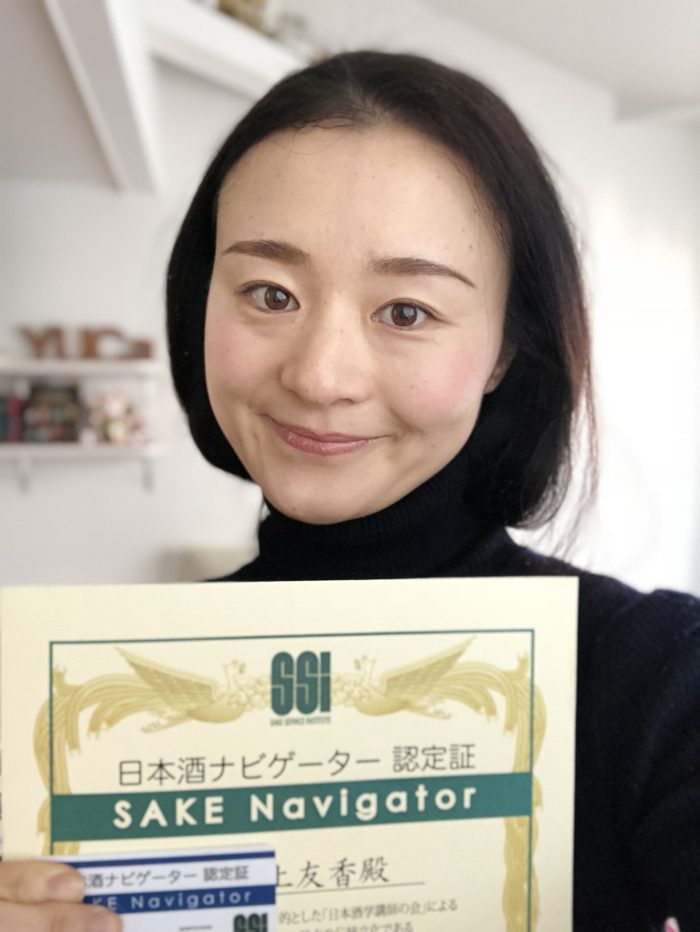
My husband works at the premium sake company but I didn’t know a lot about sake. (I even believed that hot sake is ALWAYS for bad and cheap sake!)
I’ve been felt that I’m missing something so I joined sake tasting session and sake seminar intensively in January. Now, I got the certificate of the Sake Navigator.
I think it’s very useful certificate for both my business and my private life as well! Yay!!!


For more about the tasting session and the sake seminar, please check my Instagram!

Seasonal Event : Setsubun

Categorised in: | Link of this article

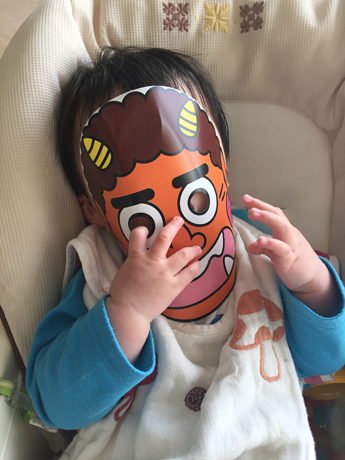
On the 3rd of February, we have the day of “Setsubun” (seasonal division) in Japan.
Setsubun has been an important time-honored rite to welcome the New Year by banishing evils and keep the house from calamity.

Sushi-roll.jpg

Sushiroll_8.jpgOn the day, people threw beans to banish demons who cause various evil things and plagues. The beans used in “Mame-maki” (bean throwing) are parched and edible. It is believed that one can maintain good health throughout the year by eating the sam e number of thrown beans as one’s age. And they shout, in principle, “In with good fortune! Out with the demon!”
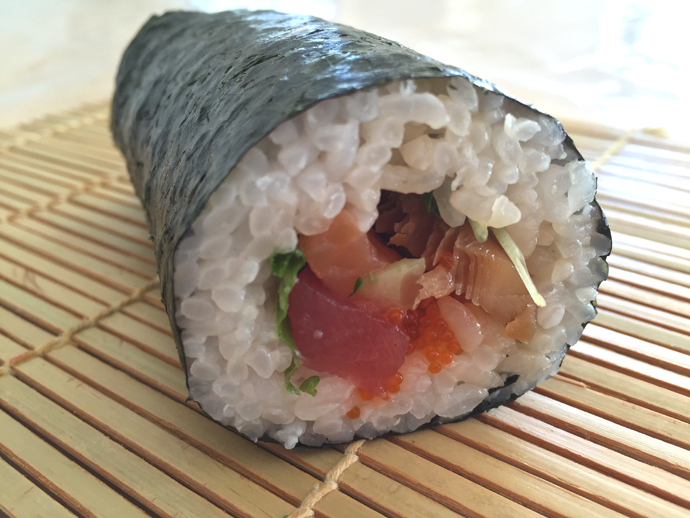
At the same time, we eat “Eho-maki”, sushi roll containing 7 ingredients associated with the Seven Deities of Good Fortune “Shichi-fukujin”, facing the direction of Eho that is most lucky for the year as determined by the Way of Yin and Yang. (I use more than 7 ingredients! :-D)
It is also customary to eat Eho-maki while making a wish in the mind with the eyes closed and without uttering a single word. You will eat the whole roll at a stroke in order not to lose ties. In 2018, the direction of Eho is south-southeast!

Gyoza town visit

Categorised in: | Link of this article

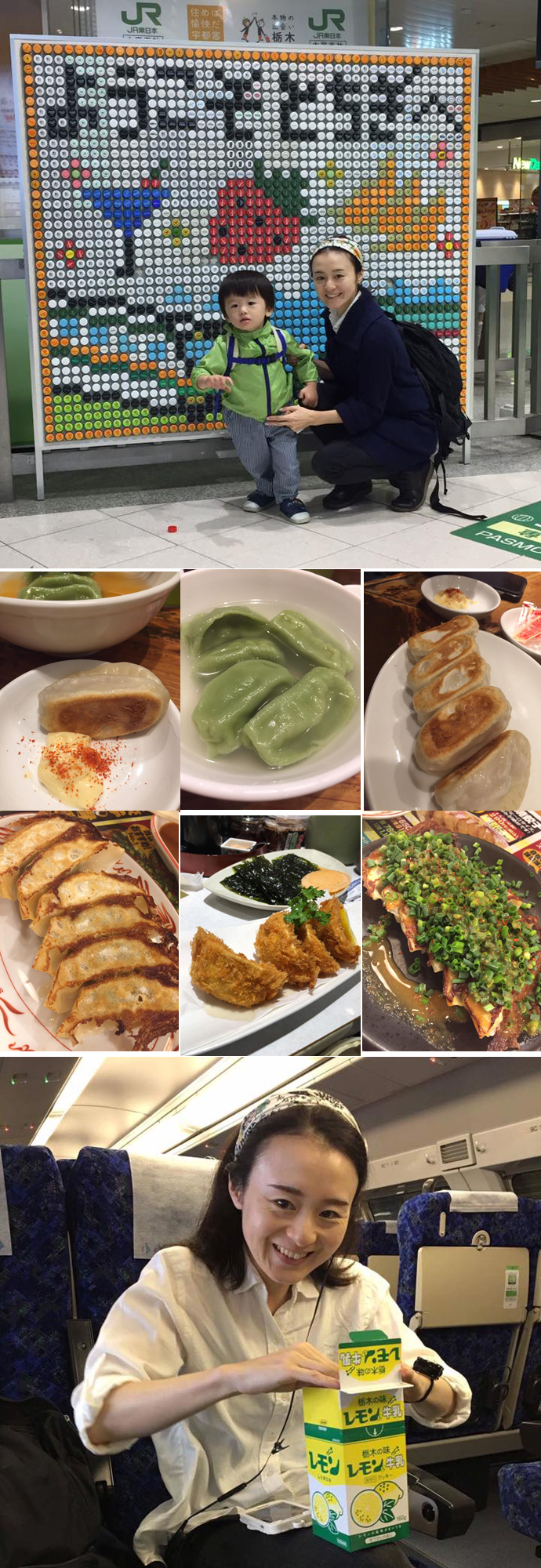
It’s already the end of the year but I visited the Gyoza town in October. I am sure you are wondering “Is there a Gyoza town in Japan? Where is it?” Don’t worry! There are several Gyoza town in Japan but Utsunomiya, which is a city name is the most popular gyoza town in Japan. Utsunomiya-city is the capital of Tochigi prefecture and is located north west from Tokyo. It takes about 2 hours to go there by express train. Since it was a quick trip so my family and I tasted 12 different plates of Gyoza in 2 days!

These are sneak peak photos. For more detail, please check our YouTube channel. It’s coming soon!

Visit Yuzu farm in Kochi

Categorised in: | Link of this article

My family and I visited Kochi prefecture last week.
Kochi is located in the south western from Tokyo and belongs to shikoku, which means four islands/prefectures.
Thanks to the warm weather and rich atmosphere with plenty of mountain and sea side, Kochi offers various local cuisines including tuna steak, Sarabachi-ryori (a course of small dishes in a big plate), Hat-shape bread, Sweet potato chips, Yuzu and more!


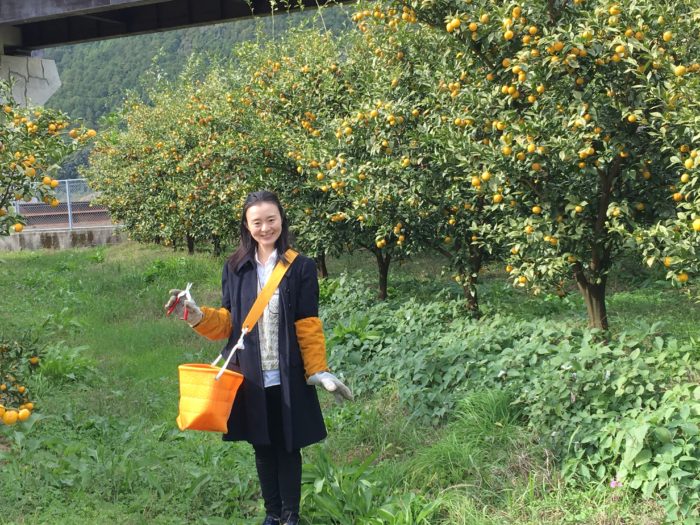
The highlight of our trip was “YUZU Hunting”!
We visited local YUZU farm in kitagawa village which is about 2 hours drive from Kochi-city.

Read More

Family Cooking : Pizza Time!

Categorised in: | Link of this article

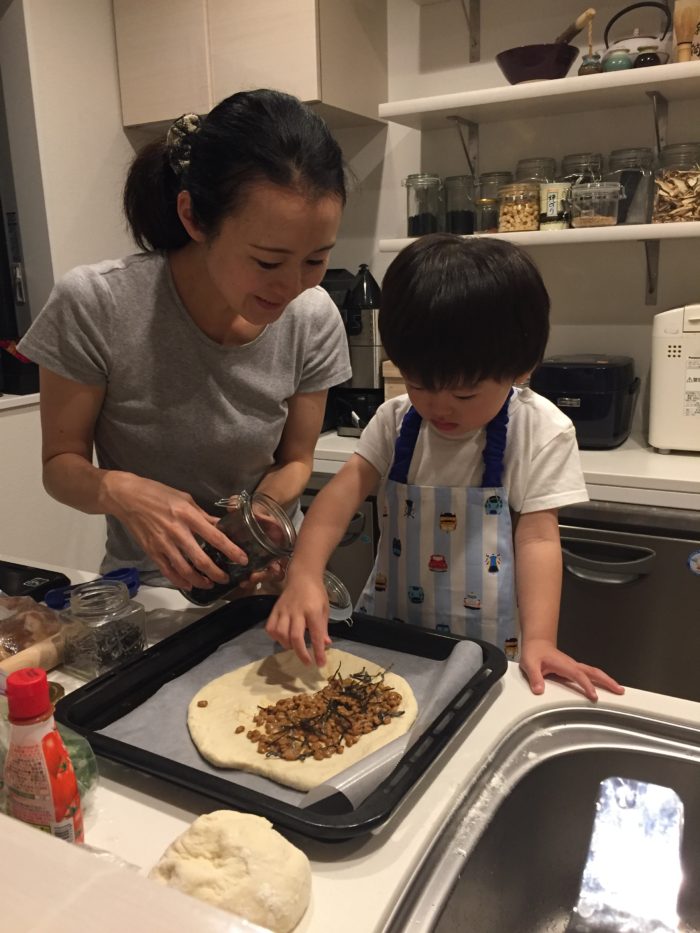
On weekend, I make homemade pizza for dinner. My son Kengo is interested in cooking (or tasting) recently so I put small chair next to me so that we can cook together.


We usually make four kinds of pizza. Recently, we tried those four.
1. Tomato sauce, Cherry tomato, Garlic, Basil, Cheese, Olive oil
2. Natto (fermented soybeans), Nori seaweed, Salted kelp, Lotus root,  Sesame oil
3. Cheese, Sweet corn, Mayonnaise, Bacon
4. Basil sauce, Avocado, Kale, Potato, Asparagus

It’s always fun to do the experiment to find the best combination.
I think Kengo eats more vegetables than before.
Next time, what ingredients shall we put? If you have a recommendation, please tell us!

Giant sake barrel and new shelf

Categorised in: | Link of this article

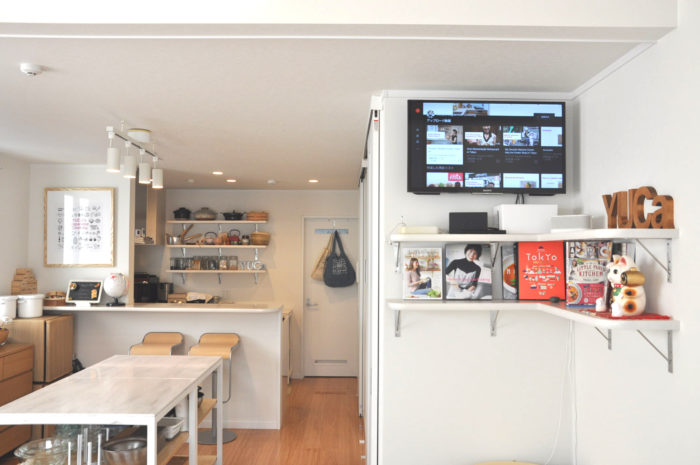
In our classroom, my husband put a new shelf under the TV. So, I decorated my favorite travel guides and cookbooks as well as “Maneki-neko” (Beckoning cat / good-luck cat).  So inspiring!


The height of those shelves are the same as of those in my kitchen.


Can you see that? What a good design!


Under the shelf, we put a giant sake barrel from Tatenokawa sake company. So COOL!!! Tatenokawa is a premium sake company from Yamagata prefecture. Yamagata prefecture is located in the northern part of Japan, which makes amazing clear water and sake rice. For more about Tatenokawa and their premium sake products, please check their website here !

Intensive Japanese Matcha Sweets Class

Categorised in: | Link of this article

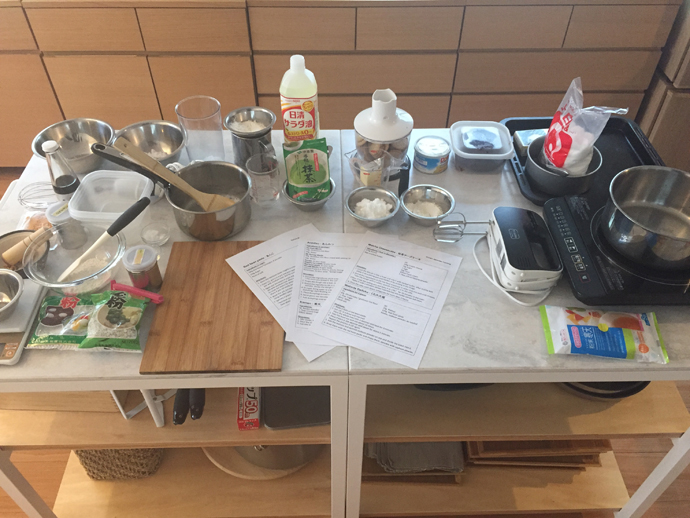
Recently,  I hold the private class for the guests from Holland. They are planning to open their Ramen shop and serve Matcha desserts for sweets menu.  (Amazing!!!) Since they have a strong passion and strategy for opening the new shop, we communicated often to plan the menus in advance.


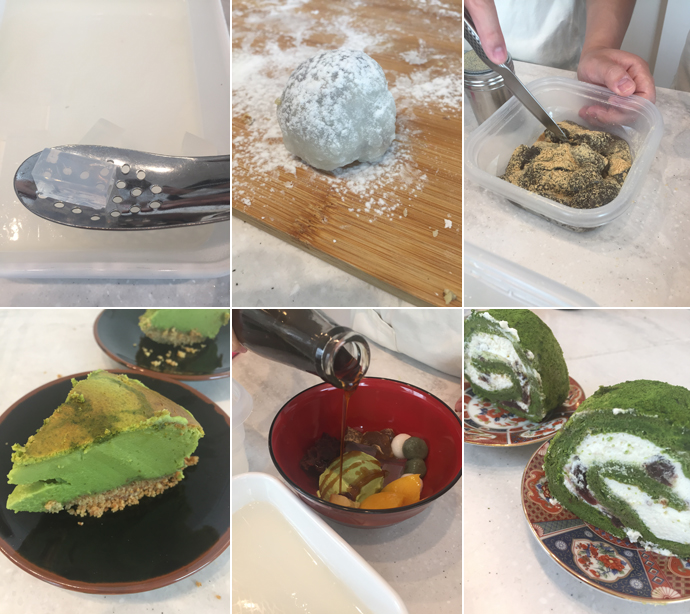
In this class, I taught how to make Matcha cheesecake, Warabi Mochi, Matcha Roll cake, Walnut Daifuku Mochi, White & Yomogi Mochi to make Anmitsu (Japanese style parfait).  I also introduced how to make Kanten (Jelly made of Agar agar), Matcha Ice cream, Matcha syrup, Milk syrup and red bean paste. It takes 2 hours to make all of them but I was pretty happy to complete it!


If you are interested in Matcha class or Japanese sweets class, please send me a message via contact form! I am always happy to help you!

Sneak peek…

Categorised in: | Link of this article


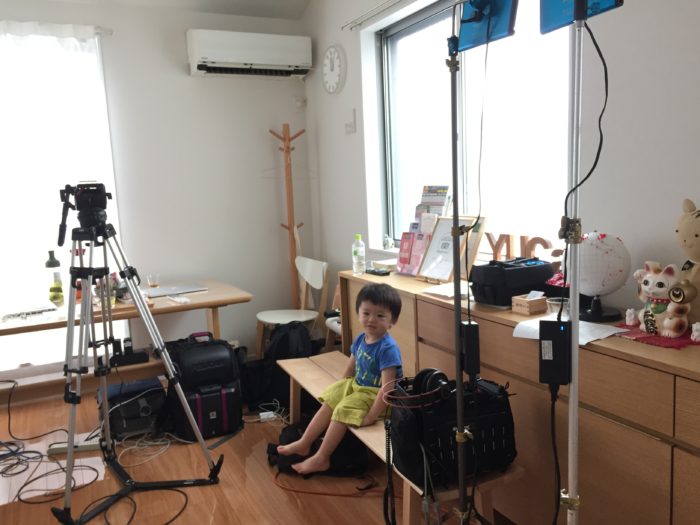
My son Kengo and cameras…


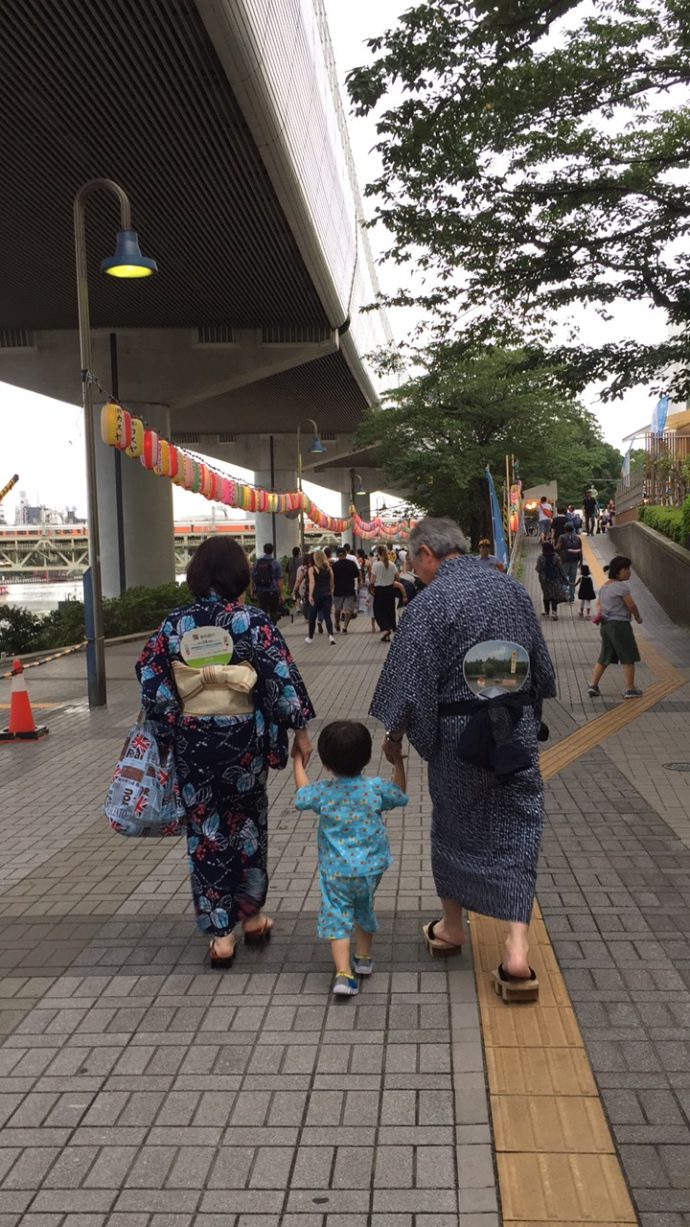
My parents and my son going to the summer festival!

Tsuyu (Rainy season)

Categorised in: | Link of this article

In early summer, we have a rainy season called Tsuyu (or Baiyu) here in Japan. Tsuyu literally means “Plum rain”. Coincidentally,  it is also the season of plum ripening.

The rainy season is caused by the collision of cold northerly and warm southerly air masses, which results in a relatively stable bad weather front over the Japanese archipelago for several weeks.

In most of Japan, the rainy season lasts from the beginning of June to mid July. Only Japan’s northern most main island of Hokkaido usually doesn’t get affected by the rainy season. I think it’s very unique!

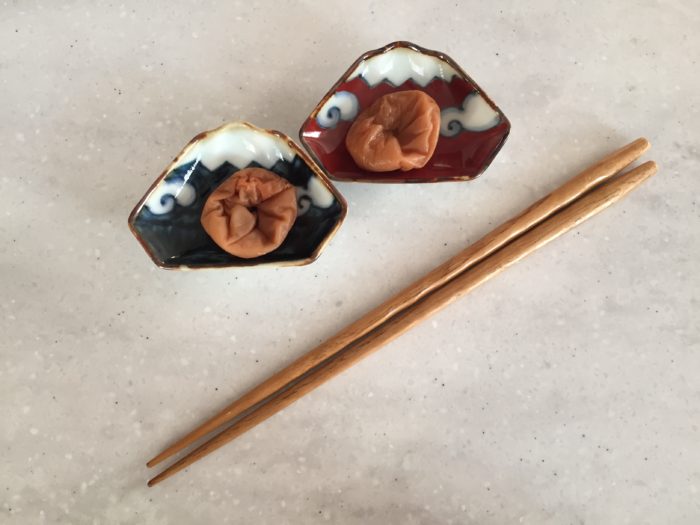
The most common way to enjoy Plum is to pickle them. It is said that the most oldest pickled plum is the one made in Muromachi period.

The main nutrition of pickled plum is the citric acid, which is the main factor of sourness. This has the effect of “fatigue reduction”. And it breaks the “lactic acid” in the muscle which is the cause of the fatigue, suppresses and also works on lactic acid in the blood, so it’s also effective in arteriosclerosis, rheumatism and a poor circulation measure.

It is also said that citric acid helps to secrete saliva, removes the oxygen radical which causes the origin of cancer, makes the movement of internal organs active, digests and helps absorption.

Additionally, citric acid suppresses multiplication of the bacteria which causes food poisoning. So, citric acid has the effect which can defer decaying food, and they’re the ideal ingredients in the humid season.

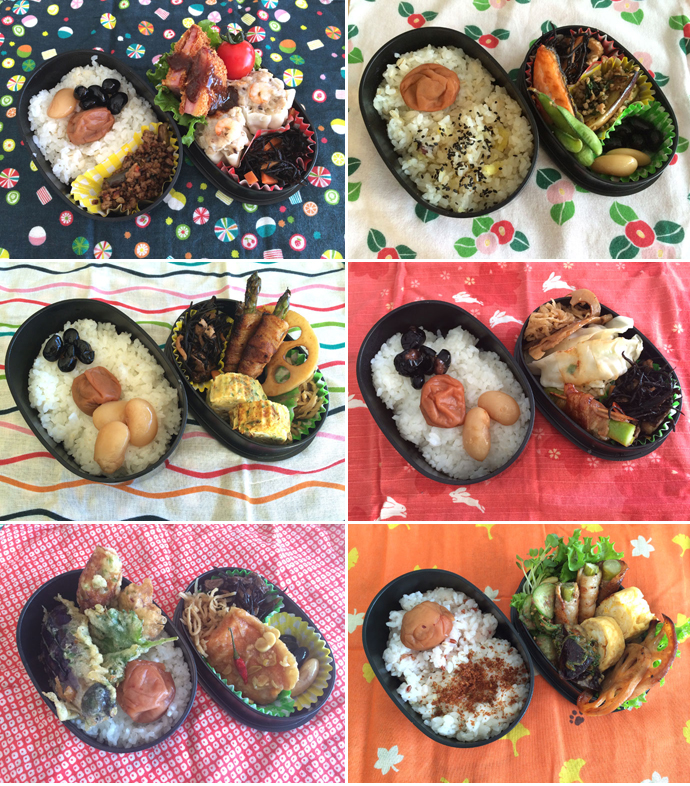
Rice and pickled plum lunch box called “Hinomaru Bento” might be quite reasonable in Japan with the high humidity. I also like pickled plum so I usually put them in my bento box.
Display mode

In-person Class Schedule

See all