Recipe : Salmon Mayo Onigiri
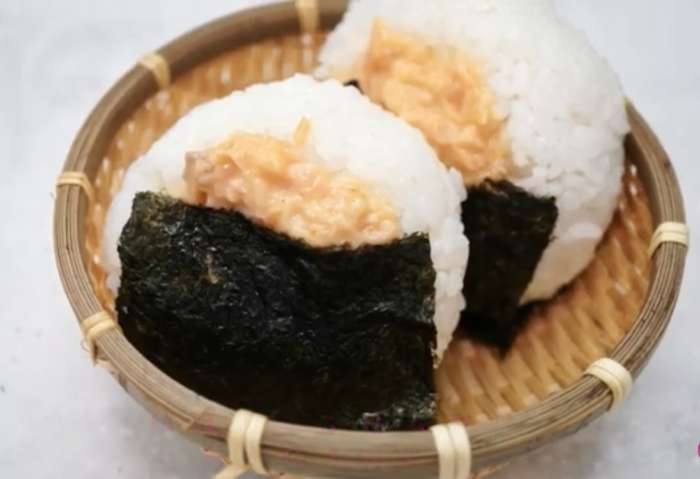
Salmon onigiri is a classic rice ball that can always be found in Japanese convenience stores and supermarkets. This recipe is an arranged version of onigiri with mayonnaise and salmon flakes dressed together. If you like mayonnaise, this is a must try!
Read More
Recipe : Karaage (Japanese Fried Chicken)
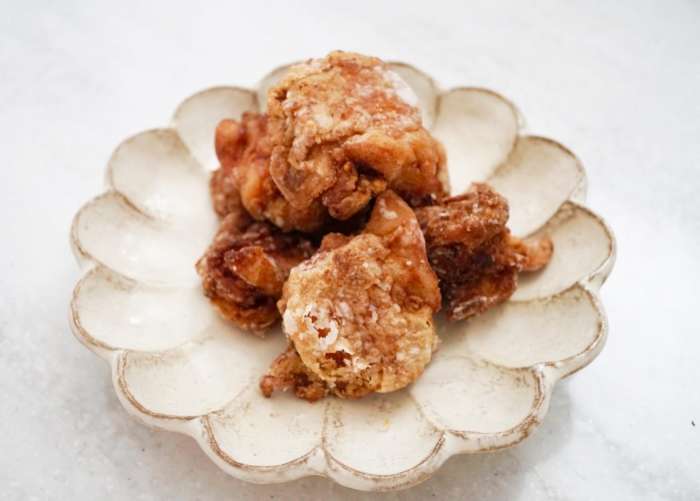
Japanese karaage is simply deep-fried chicken seasoned with mostly soy sauce, sake, ginger and garlic. In Japan, karaage is loved by men and women of all ages, so much so that there are bento boxes that contain only karaage on a bed of white rice. It is also readily available at convenience stores, so it is common to see students and businessmen eating it for a quick pick-me-up. The key to its deliciousness is that it is crispy on the outside and juicy and juicy on the inside.
Read More
Recipe : Salmon Onigiri
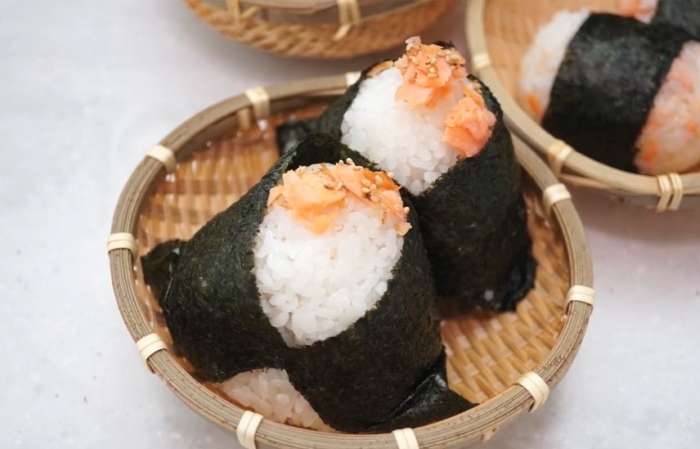
Salmon onigiri is a classic rice ball that can always be found in Japanese convenience stores and supermarkets. It is very simple to make. Grilled salmon is cut into bite-size pieces and wrapped with warm rice. The secret to the delicious taste is to use just the right amount of salt and fresh nori seaweed. I also introduce rice balls made with finely crushed salmon for children.
Read More
Back to school in Japan
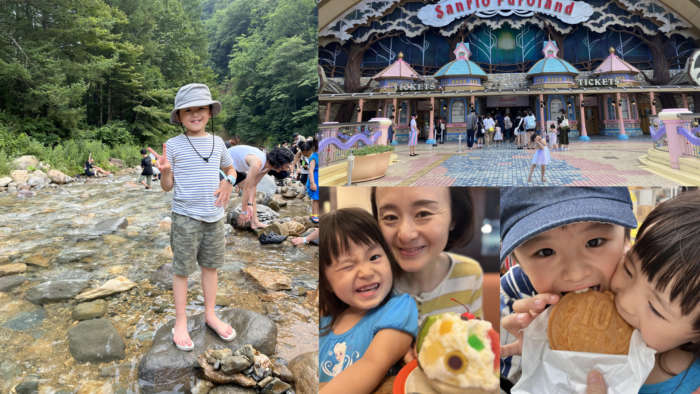
Summer vacation is over. Even our children, a kindergartener and an elementary school student, they seemed to have enjoyed their month-long free time.
My son, an elementary school student, had homework from school. He had to complete Japanese and math assignments on a tablet PC, a one-line diary (with a checklist to see if he helped his parents), a book report, a diary of his observations of mini-tomatoes, a free craft (in his case, making a LEGO creation), and 10 books to read.
There are also many other contests that are free to participate in, such as contests to draw posters on environmental issues, eco ideas, summer- and autumn-themed haiku, piggy bank designs, and so on.
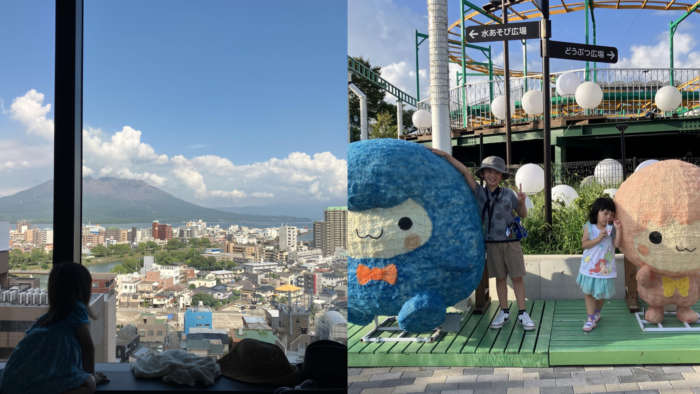
When I was in elementary school, a special booklet called “Summer Vacation Friends” was distributed. I think there was a little more homework, not only Japanese and arithmetic, but also science and social studies.
On the other hand, some schools did not give homework because it was “summer vacation,” which I felt reflected the times.
Do you have homework in your country? I would be very happy if you could tell me what kind of homework you have.
Recipe : Ehomaki with Meat (BBQ Sushi Roll)
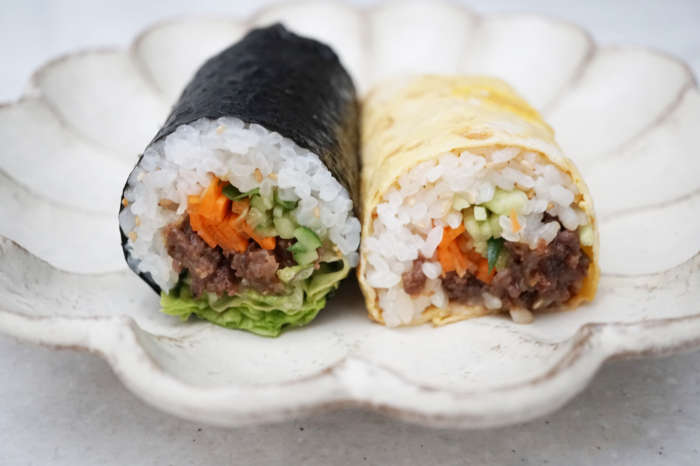
There are various types of sushi rolls in Japan, from thin to thick. Among them, thick rolls filled with a variety of ingredients are called “ehomaki,” and are usually eaten on Setsubun in February. Instead of using raw fish, we’ll use Wagyu Japanese beef seasoned with Yakiniku sauce (Japanese BBQ sauce). And we will make two types sushi roll; one with nori seaweed and the other with thin egg omelette sheet.
Read More
Recipe : Tuna Mayo Onigiri
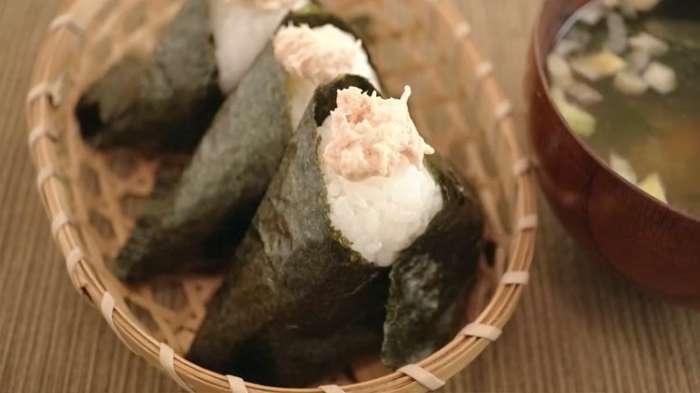
Onigiri is a Japanese rice balls with various fillings inside. There are a variety of ingredients such as pickled plums and bonito-flavored bonito, but the tuna mayo flavor is especially popular among both children and adults. You can easily buy it at convenience stores or supermarkets, but if you have canned tuna and mayonnaise, you can easily make it at home with a difference!
Read More
Recipe : Tuna Sandwich
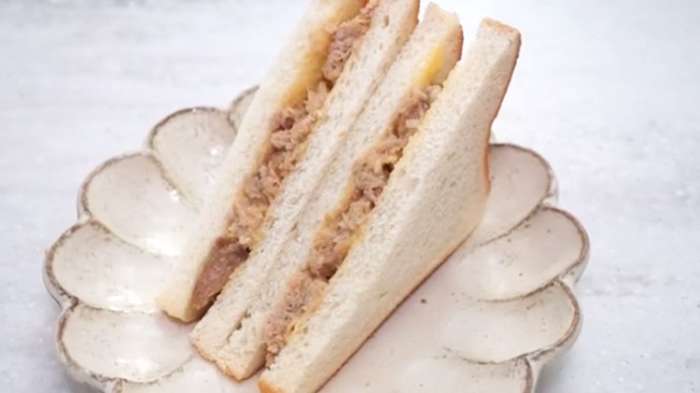
Like my family, many Japanese households keep canned tuna on hand. Perhaps because of this, people often eat tuna salad with mayonnaise. So this time, I made a simple & healthy tuna salad with homemade tuna (canned style) and Japanese mayonnaise, and made a tuna sandwich between two pieces of Japanese bread. Please try it and taste it!
Read More
Hokusai’s “The Great Wave” by LEGO
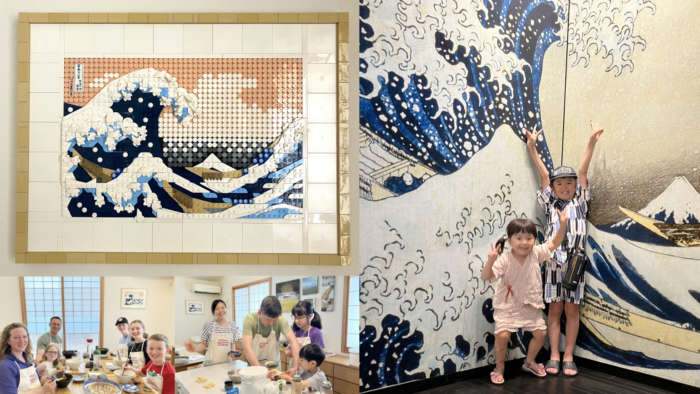
Do you know a Japanese famous artist, Katsushika Hokusai?
Even if you do not know his name, you may have seen this ”The Great Wave off the Coast of Kanagawa”, one of his masterpieces.
Since this LEGO product were recently released, we decided to display it inside the YJC classroom. Furthermore, we are happy to add a Japanese-style interior.
Read More
YJC’s 10th Anniversary !
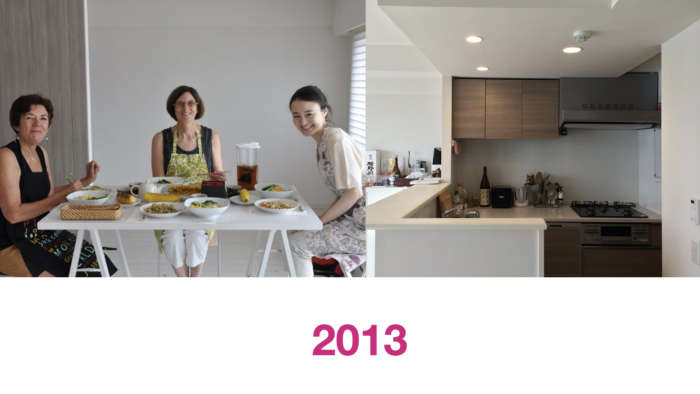
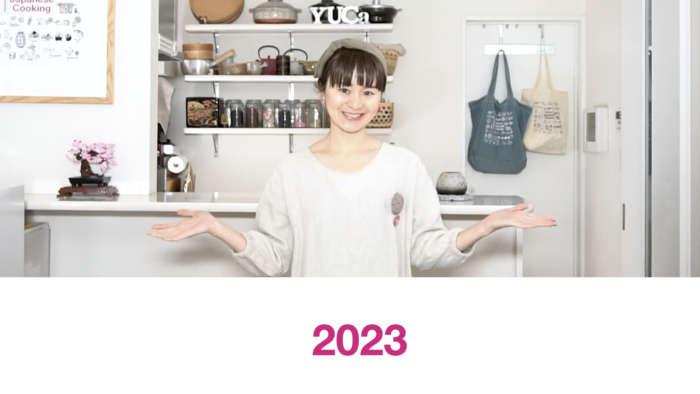
In July 2023, YUCa’s Japanese Cooking celebrated its 10th anniversary!
My first class was on July 9, 2013. I remember how nervous I was to start the first class in a room of the tiny apartment that my husband and I had just bought at the time.
On that day, my two Australian friends joined.
At the memorable first class, we made okonomiyaki, grilled corn, and somen noodles with the “summer festival” theme. Although I managed to finish the class successfully, it was a month later that I was able to hold the next class.
Thanks to the word of mouth from guests who participated in the class helped me to be able to gradually increase the number of classes from once a month to twice a month and then once a week. Now, thankfully, the class is almost full every day.
🙇♀️🙇♀️🙇♀️
During the pandemic (COVID), I started new online classes and filming recipe videos & Vlogs for YouTube. It was a tough time as an entrepreneur but I could survive thanks to my husband and children’s supports. I feel so grateful. ❤️
Over the past 10 years, I have received national and international media coverage of my cooking classes. I was also able to realize my long-time dream of holding cooking classes overseas, in New York. I secretly hope to have more opportunities like this in the future.✈️🌏🎵
As for the future, since this is my 10th year anniversary, I am planning to try new project to further promote Japanese cuisine.
I will let you know as soon as the details are finalized! ✨✨✨
Love from Tokyo 🇯🇵❤️
YUCa
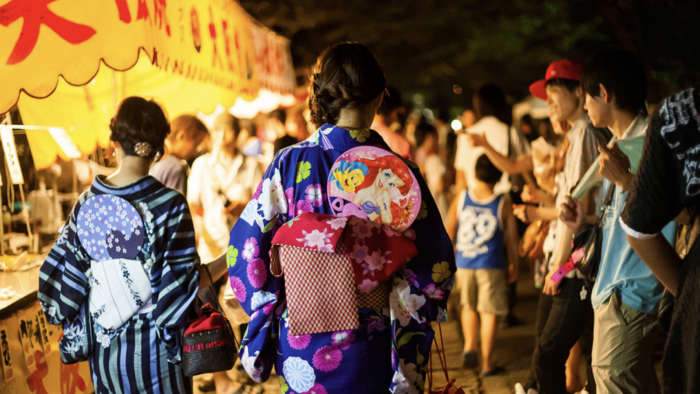
Summer Festivals in Japan
From May to August, summer festivals of various scales are held in various parts of Japan. These include rice planting festivals, purification festivals, festivals of souls or shinkosai (Shinto festivals in which mikoshi (portable shrines) are paraded through the streets). From the day before the festival, the area is enveloped in a festive atmosphere. The energy of the people carrying the magnificent portable shrines and the enthusiasm of the onlookers seem to bring the summer heat to a peak.
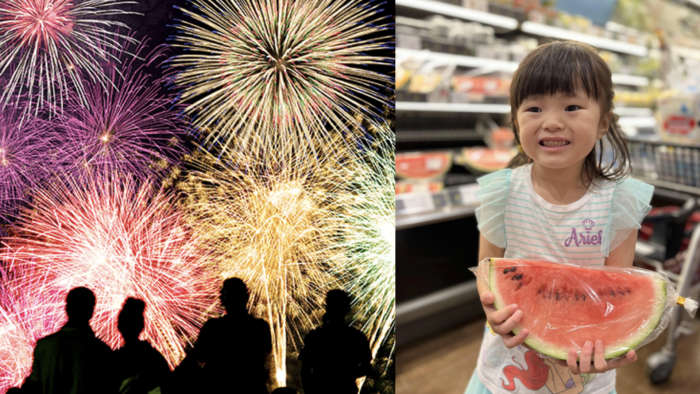
Today’s summer festivals feature mikoshi carried by men wearing hanten (short coat) and matahiki (drawers) and street stalls of goldfish scooping, cotton candy, masks, etc., comprising the festival attractions in summer.
Most summer festivals are observed to thank the gods for a peaceful and happy life in the past half year or to prevent any disaster and appease the spirits of the deceased.
Fireworks displays, the Bon Festival (featuring bon-odori dances), hozuki (Japanese lantern plant) markets and morning glory markets are also regarded as summer festivals.